Russia-Ukraine Abu Dhabi talks end with 'large-scale' prisoner exchange deal
Synopsis
For the first time since February, Russia, the US, and Ukraine sat across the same table — and walked away with a 'large-scale' prisoner exchange and a Kushner-Witkoff Moscow visit on the schedule. The Abu Dhabi talks signal Washington is now actively running shuttle diplomacy, with European security architecture and Putin's own demands formally on the agenda.
Key Takeaways
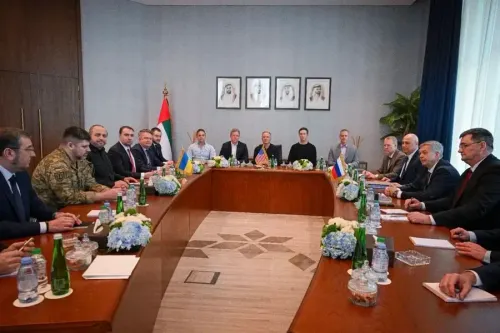
Trilateral talks between Russia , the US , and Ukraine concluded on 11 November in Abu Dhabi — the first such meeting since February .
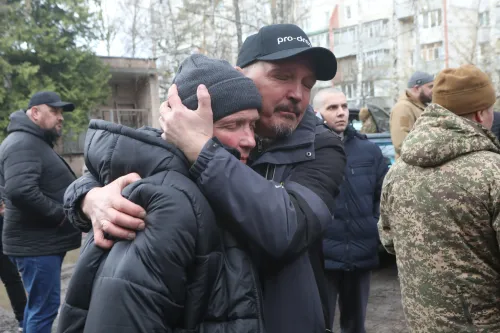
Russia and Ukraine agreed to a 'large-scale' prisoner exchange ; exact numbers to be finalised on Thursday .
Vladimir Medinsky said parties reached 'understandings on some issues' and called for a 'fair' European security framework.
Jared Kushner and envoy Steve Witkoff plan to travel to Moscow for further talks, contingent on Putin agreeing to US demands.
A subsequent meeting with Ukrainian President Volodymyr Zelensky is planned after the Moscow visit.
NATO and European representatives were included in the Abu Dhabi discussions, Kushner confirmed.
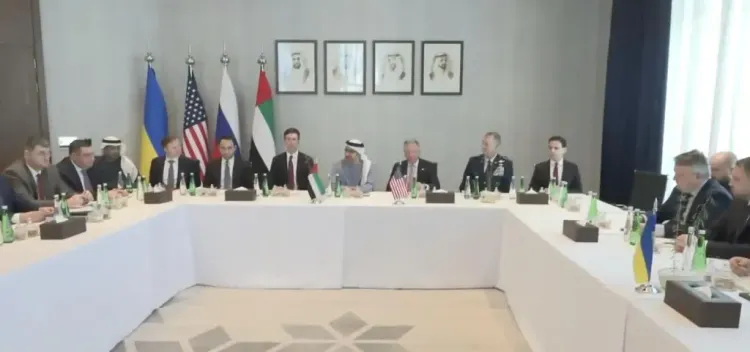
Trilateral negotiations between Russia, the United States, and Ukraine concluded on Wednesday, 11 November in Abu Dhabi, with Moscow and Kyiv agreeing to a 'large-scale' prisoner exchange — the most tangible outcome of a two-day meeting that also put European post-war security architecture at the centre of US-mediated discussions. The exact number of prisoners is set to be finalised on Thursday, according to a member of the US negotiating team.
Key Developments from Abu Dhabi
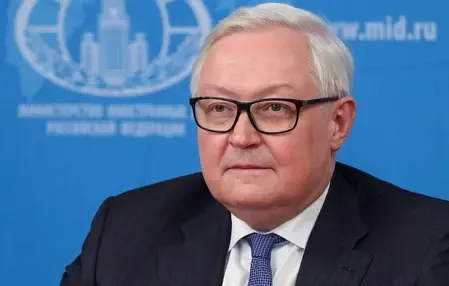
Vladimir Medinsky, head of the Russian delegation, told a press conference that details of the exchange would be announced soon and that negotiations would continue. He said the delegations had discussed humanitarian issues and confirmed that parties had reached 'understandings on some issues', without providing specifics. Medinsky added that the conflict in Ukraine had exposed what he described as shortcomings in Europe's security system, and called for the establishment of a 'fair security framework' accounting for the interests of all countries.
This marks the first trilateral meeting among the three countries since February, and the two-day format signals a deliberate step-up in diplomatic engagement after months of stalled progress.
What the US Team Said
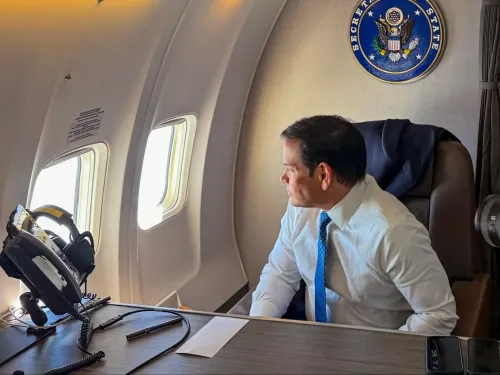
Jared Kushner, a member of the US negotiating team, told reporters that the prisoner exchange was among the positive outcomes of the Abu Dhabi talks. He confirmed that he and US special envoy Steve Witkoff planned to travel to Moscow for further discussions on ending the conflict. Kushner said the two would seek to advance negotiations in Moscow if Russian President Vladimir Putin agreed to US demands to end the war, and would then meet Ukrainian President Volodymyr Zelensky afterward.
Kushner also acknowledged that Russia had its own security concerns and had been asked to put forward proposals to reduce tensions — a notable admission that Washington is treating Moscow's stated anxieties as a formal part of the negotiating agenda.
NATO and European Involvement
Kushner confirmed that NATO and European countries would be included in the broader negotiating process, and that European representatives had already been brought into the Abu Dhabi discussions. This comes amid persistent concerns from EU capitals that any US-Russia bilateral framework could sideline European security interests in a post-war settlement.
What Happens Next
The Kushner-Witkoff Moscow visit, contingent on Putin's agreement to US terms, would represent the highest-level direct American engagement with the Kremlin since the war began. A subsequent meeting with Zelensky would complete what appears to be a shuttle-diplomacy model Washington is now actively piloting. The prisoner exchange details, expected by Thursday, will serve as an early test of whether the Abu Dhabi understandings can translate into verifiable action on the ground.
Point of View
Not a ceasefire. What matters more is the architecture taking shape around it — Washington treating Russia's security demands as a legitimate negotiating variable, and European representatives being folded into a process previously framed as bilateral. That concession to Moscow's framing could ease a deal but will alarm Kyiv's European backers. The real test comes in Moscow: if Kushner and Witkoff return without a concrete ceasefire timeline, the prisoner exchange risks looking like a trophy that bought Russia negotiating room without costing it anything on the battlefield.
NationPress
11 Nov 2026
Frequently Asked Questions
What was agreed at the Russia-Ukraine Abu Dhabi talks on 11 November?
Russia and Ukraine agreed to a 'large-scale' prisoner exchange, with the exact number of prisoners to be finalised on Thursday. The two-day trilateral talks also produced informal understandings on some issues, according to the Russian delegation head Vladimir Medinsky.
Who represented the United States at the Abu Dhabi talks?
Jared Kushner and special envoy Steve Witkoff represented the US at the Abu Dhabi negotiations. Both are expected to travel to Moscow for further discussions on ending the Ukraine conflict.
When was the last time Russia, the US, and Ukraine held trilateral talks before Abu Dhabi?
The Abu Dhabi meeting, concluded on 11 November, was the first trilateral gathering among Russia, the US, and Ukraine since February — a gap of several months during which diplomatic progress had largely stalled.
What is Russia's position on European security in these negotiations?
Vladimir Medinsky, the head of Russia's delegation, argued that the conflict in Ukraine had exposed shortcomings in Europe's security system, and called for a 'fair' security framework that accounts for the interests of all countries, including Russia.
Will NATO and European countries be part of the peace process?
Yes. Jared Kushner confirmed that NATO and European countries would be included in the broader negotiating process and that European representatives had already participated in the Abu Dhabi discussions.