Senate Passes Protect College Sport Act 77-22: Trump

Synopsis
The U.S. Senate passed the Protect College Sport Act by a sweeping 77-22 vote on September 29, 2026. President Trump called it a landmark moment that will 'save college sports' and 'save the colleges themselves,' capping years of legislative attempts to impose federal order on NIL and athlete compensation rules.
Key Takeaways
The Protect College Sport Act passed the U.S.
Senate on September 29, 2026 by a 77-22 bipartisan vote.
Trump described the legislation as 'a really big deal' that will protect both college sports programmes and universities.
The bill addresses years of legal and regulatory chaos triggered by state-level NIL laws and the Supreme Court's Alston decision of 2021.
A federal framework, if enacted, would replace the current patchwork of 50 different state rules governing college athlete compensation.
The legislation still requires House of Representatives consideration and must reconcile with existing Title IX obligations before reaching the President's desk.
The supermajority margin signals rare cross-party consensus, strengthening the bill's prospects in the lower chamber.
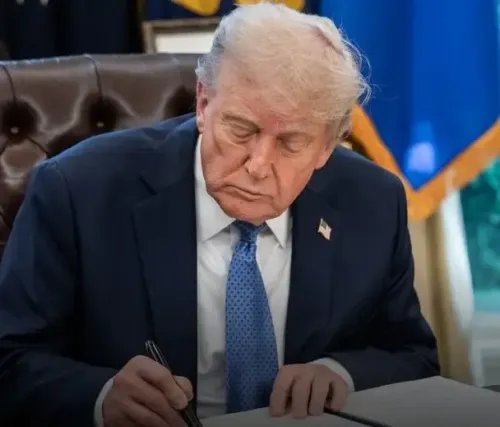
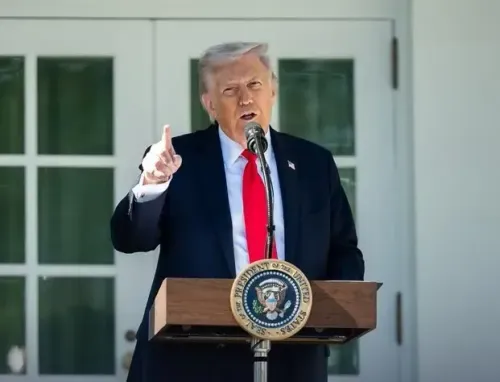
A lopsided 77-22 Senate vote on Tuesday, September 29, 2026 handed college athletics a landmark federal intervention — and President Donald J. Trump wasted no time calling it a turning point, not just for sports, but for higher education itself.
Quoting the President directly, the White House posted: 'The Protect College Sport Act just passed in the U.S. Senate by a vote of 77-22. This is a really big deal. It will not only save college sports, it will save the colleges themselves.' The bipartisan margin — well clear of a filibuster threshold — signals rare cross-aisle consensus on an issue that has roiled American campuses for years.
Why College Sport Reached a Crisis Point
The road to this Senate floor vote runs directly through a series of seismic shocks that began in 2021. That year, individual U.S. states began passing their own Name, Image, and Likeness (NIL) laws, allowing college athletes to earn money from endorsements for the first time. Simultaneously, the U.S. Supreme Court's Alston decision gutted the NCAA's long-standing amateurism model, ruling that limits on education-related benefits violated antitrust law. The result: a patchwork of 50 different state rules, a transfer portal flooded with athlete movement, and universities facing mounting legal exposure over revenue-sharing arrangements they had no clear federal framework to navigate. Multiple congressional proposals through the mid-2020s attempted to impose federal preemption — a single national standard that would override the state-by-state chaos. The Protect College Sport Act appears to be the bill that finally cleared that bar.The 77-22 Margin and What It Signals
A 77-vote supermajority in the U.S. Senate is not routine. It places this legislation firmly in the category of broadly negotiated, cross-partisan deals rather than a party-line push. For college athletes — estimated in the millions across NCAA Division I, II, and III programs — and for the universities that house them, a federal framework now replaces the legal uncertainty that had threatened programme budgets, scholarship structures, and institutional liability. Trump's framing — that the bill 'will save the colleges themselves' — points to a broader financial argument: that unresolved NIL litigation and revenue-sharing disputes were beginning to threaten the fiscal stability of athletic departments that, at many universities, subsidise other campus programmes and facilities.The House and the Road to a Presidential Signature
The Senate passage is a major milestone, but the Protect College Sport Act still requires House consideration before it reaches the President's desk. Key questions will centre on how the legislation interacts with existing Title IX gender-equity obligations and whether the House version aligns closely enough with the Senate text to avoid a lengthy conference process. The bill's strong Senate margin, however, gives its supporters significant negotiating leverage heading into that next phase.Point of View
Claiming ownership of a 77-vote bipartisan win on an issue touching millions of student athletes and hundreds of universities is a significant political asset. The harder test comes in the House, where the interaction with Title IX and existing NIL contracts will determine whether the final law is a genuine stabilisation or merely a new layer of complexity. If it clears both chambers cleanly, it sets a template for federal preemption in other areas of sports governance where state-by-state fragmentation has created market distortions.
NationPress
29 Sept 2026
Frequently Asked Questions
What is the Protect College Sport Act?
The Protect College Sport Act is a U.S. federal bill that passed the Senate on September 29, 2026, by a 77-22 vote. It is designed to create a unified national framework for college athlete compensation and NIL rules, replacing the patchwork of individual state laws that emerged after 2021.
What does the 77-22 Senate vote mean for the bill?
A 77-vote majority is a strong supermajority in the 100-seat U.S. Senate, well above the 60-vote threshold needed to overcome a filibuster. It signals broad bipartisan support and gives the bill significant momentum heading into the House of Representatives.
Why did college sports need federal legislation?
Since 2021, individual U.S. states passed their own Name, Image, and Likeness (NIL) laws at different times and with different rules, creating a chaotic environment for universities and athletes. The Supreme Court's Alston decision also dismantled the NCAA's amateurism model, leaving institutions legally exposed without a clear federal standard.
What happens next after the Senate passes the bill?
The Protect College Sport Act must now pass the U.S. House of Representatives. If the House version differs from the Senate text, both chambers must reconcile the differences before sending a final bill to President Trump for his signature.
How does this affect college athletes in the United States?
If enacted, the law would give college athletes a stable, nationally consistent framework for earning money through endorsements and revenue-sharing arrangements, replacing the uncertainty created by 50 different state laws and ongoing litigation.