US senators push H-1B fee relief for foreign teachers in rural schools
Synopsis
The $100,000 H-1B fee debate has jumped from hospital wards to classrooms. Alaska Senator Lisa Murkowski has put rural schools squarely on the table, and DHS Secretary Markwayne Mullin has signalled openness to case-by-case waivers — a quiet but significant crack in the administration's hardline visa-fee posture.
Key Takeaways
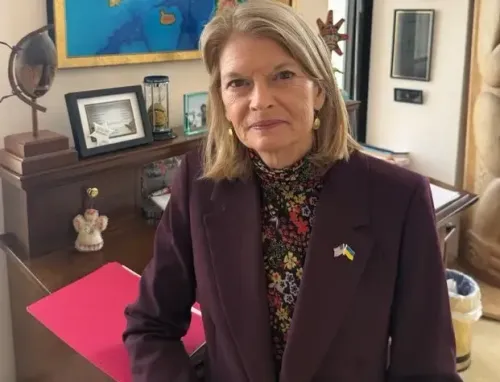
Senator Lisa Murkowski urged DHS to consider H-1B fee relief for foreign teachers in rural US schools.
The push targets the $100,000 H-1B visa fee , which lawmakers say is unaffordable for public school districts.
Homeland Security Secretary Markwayne Mullin said DHS has authority to grant case-by-case waivers.
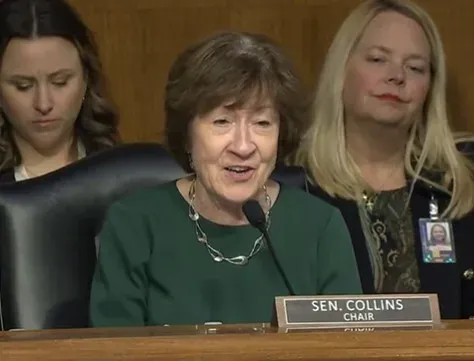
Senator Susan Collins earlier sought similar carve-outs for rural hospital doctors.
The exchange occurred at a Senate Appropriations Subcommittee hearing on DHS's fiscal year 2027 budget.
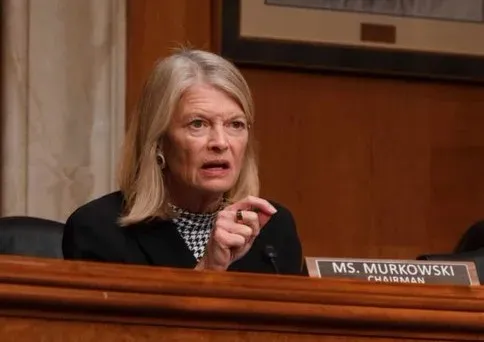
US lawmakers on Tuesday urged the Department of Homeland Security (DHS) to consider carving out relief from the $100,000 H-1B visa fee for foreign teachers recruited to staff schools in remote and underserved American communities, widening a debate that had so far centred on doctors and healthcare workers. The appeal was made during a Senate Appropriations Subcommittee hearing in Washington on the department's fiscal year 2027 budget request.
Murkowski flags rural classroom crunch
Senator Lisa Murkowski of Alaska told the panel that school districts in isolated regions face workforce pressures comparable to those of rural hospitals struggling to hire physicians from overseas. She signalled that the steep H-1B fee, originally pitched as a deterrent against misuse, risks choking off a critical pipeline of educators for communities where local recruitment has long fallen short.
“I'll follow up with you about the issue that I raised previously with regards to H-1B visas for teachers,” Murkowski told Homeland Security Secretary Markwayne Mullin near the end of the hearing. “I know Senator Collins raised it for medical professionals, but we're really anxious about this as school districts are looking to bring on and hire more of our teachers.”
DHS signals openness to case-by-case waivers
Murkowski's intervention followed an exchange between Mullin and Senator Susan Collins, who pressed the administration to consider exemptions for doctors serving rural hospitals. Mullin acknowledged the staffing strain in remote communities and indicated that the department had room to manoeuvre.
“We do have some authority and flexibility to be able to waive some of this on a case by case,” Mullin said, adding that DHS was willing to review proposals. “We're happy to look into it, look at language, try to get it better,” he said during the exchange on visa fees.
Why Alaska's classrooms depend on foreign hires
Although Murkowski did not cite specific cases at the hearing, Alaska's remote communities have long leaned on out-of-state and overseas recruitment to fill teaching vacancies in sparsely populated regions. Districts in such areas routinely report turnover rates well above the national average, with weather, isolation and housing scarcity compounding the hiring challenge.
The wider H-1B picture
The H-1B programme allows US employers to hire foreign professionals in specialised occupations requiring advanced skills or education. While most commonly associated with the technology sector, it is also used by educational institutions, healthcare providers and research organisations. Notably, the $100,000 fee — a sharp departure from earlier H-1B cost structures — has drawn pushback from sectors that argue the price tag is prohibitive for non-profit and public employers such as school districts and rural hospitals.
What happens next
Lawmakers from both parties are expected to continue pressing DHS for sector-specific carve-outs as the fiscal year 2027 budget moves through the appropriations process. Any relief, officials indicated, is likely to take the form of targeted waivers rather than a blanket rollback of the fee.
Point of View
000 H-1B fee was sold as a tech-industry guardrail, but its collateral damage is now showing up in places the administration cannot easily dismiss — rural classrooms and rural ERs. Mullin's willingness to consider case-by-case waivers is a tacit admission that a flat fee was always a blunt instrument for a programme that spans Silicon Valley to small-town Alaska. For Indian professionals — among the largest H-1B cohorts — the more consequential question is whether these carve-outs stay narrow or open the door to a broader rethink. So far, the signals point to narrow.
NationPress
18 Oct 2026
Frequently Asked Questions
What is the $100,000 H-1B visa fee?
It is a sharply increased fee tied to the H-1B visa programme that US employers must pay to hire foreign professionals in specialised occupations. Lawmakers say the cost is prohibitive for public employers such as school districts and rural hospitals.
Why are US senators asking for H-1B relief for teachers?
Senator Lisa Murkowski has argued that rural school districts, particularly in Alaska, face hiring shortages similar to those of rural hospitals and cannot afford the $100,000 fee to recruit foreign teachers. She raised the issue with DHS Secretary Markwayne Mullin at a Senate Appropriations Subcommittee hearing.
Has the Department of Homeland Security agreed to waive the fee?
No blanket waiver has been announced. However, Secretary Markwayne Mullin said DHS has authority and flexibility to grant waivers on a case-by-case basis and is open to reviewing proposals.
Who else is seeking exemptions from the H-1B fee?
Senator Susan Collins has pressed for exemptions for doctors serving rural hospitals that struggle to recruit qualified medical professionals. The teacher relief push extends that healthcare-focused debate into education.
Which sectors typically use the H-1B programme?
While the H-1B is most commonly associated with the technology sector, it is also used by educational institutions, healthcare providers and research organisations to hire foreign professionals in specialised roles.