Democrat Adam Smith demands Pentagon oversight on Iran war, Latin America ops
Synopsis
The top House Democrat on defence has put the Iran conflict, Latin America military ops, and Pentagon contracting on notice — calling for public testimony, restored oversight subcommittees, and a defence budget rethink that avoids crossing $1 trillion. It is an assertive oversight blueprint for the incoming 120th Congress, though no specific investigations or hearings have been announced yet.
Key Takeaways
Representative Adam Smith , ranking Democrat on the House Armed Services Committee , outlined an oversight agenda on Wednesday for the 120th Congress .
Smith identified the Iran conflict — which he characterised as an 'illegal war' — as a top oversight priority.
He called for scrutiny of Pentagon contracts and financial support to private companies, citing potential 'waste, fraud, and abuse'.
Other targets include alleged unauthorised military strikes in the Caribbean and Latin America , troop deployments to US cities, and politicisation of the armed forces.
Smith argued the defence budget should not exceed $1 trillion and called for procurement reform and better treatment of service members and their families.
No specific investigations, named companies, or hearing timetables were announced in the statement.
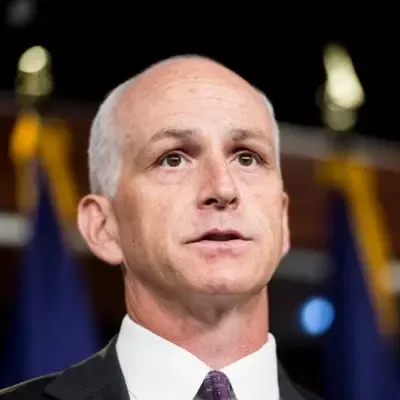
Representative Adam Smith of Washington, the ranking Democrat on the US House Armed Services Committee, on Wednesday outlined a sweeping oversight agenda for the 120th Congress, placing the Iran conflict, military operations in Latin America, and Pentagon contracting practices at the top of his priorities.
Key Priorities Smith Has Outlined
Smith's statement called for more public testimony from senior Pentagon officials and the restoration of a dedicated subcommittee for oversight and investigations. The document laid out proposed priorities for committee Democrats but stopped short of announcing specific investigations or a fixed hearing timetable.
'My Democratic colleagues on the House Armed Services Committee and I are ready to hit the ground running in the 120th Congress and the top priority will be to conduct vigorous oversight of the Department of Defense and the Trump Administration,' Smith said.
Iran Conflict and 'Illegal War' Characterisation
Smith placed the Iran conflict near the head of his proposed agenda, characterising it as an 'illegal war' — a political and legal assessment offered without accompanying legal analysis in his statement. The framing reflects a sharp Democratic critique of the administration's military posture, though the statement did not propose specific hearings or legislative remedies tied to that claim.
Scrutiny of Contracts and Private Companies
Smith also alleged favouritism in government support for private businesses and demanded closer scrutiny of contracts and financial assistance. 'We must dive into any waste, fraud, and abuse by examining contracts and other financial support awarded to private companies,' he said. The statement did not name specific companies, contracts, or transactions under consideration.
Latin America, Troop Deployments and Politicisation Allegations
Among other oversight targets, Smith cited what he described as unauthorised military strikes in the Caribbean and Latin America, military deployments to US cities, and the alleged politicisation of the armed forces. He accused the administration of removing personnel on grounds of loyalty and ideology, though the statement named no individual cases and provided no supporting documentation for those allegations.
Defence Spending and Personnel Policy
On defence spending, Smith argued for a national security approach that would not require a budget exceeding $1 trillion or demand deep cuts to domestic programmes. He called for changing how Pentagon resources are spent and accounted for, insisting that investment in new weapons systems must reflect lessons from recent conflicts and deliver relevant capabilities more cost-effectively. 'Investment in new weapon systems must take lessons learned from recent conflicts and provide relevant capabilities in a more cost-effective manner,' he said.
Smith also backed bipartisan efforts to reform military procurement and stressed the need to support service members, civilian employees, and their families through improved benefits and living standards. He criticised what he described as the elevation of political loyalty over competence in senior military and civilian appointments. His proposals covered military operations, spending, and personnel policy but did not include draft legislation.
How much traction Smith's oversight agenda gains will depend on the composition and leadership dynamics of the 120th Congress when it convenes.
Point of View
Named targets, or draft legislation. The 'illegal war' label on the Iran conflict is the sharpest edge, but without a legal filing or a committee subpoena to back it, it remains rhetoric. The more substantive thread is the demand for restored public Pentagon testimony and an investigations subcommittee, which, if pursued, could generate real friction with the Trump administration. Whether Democratic minority status in the committee translates into actual hearing power or remains aspirational will be the defining question of this agenda.
NationPress
5 Nov 2026
Frequently Asked Questions
What has Representative Adam Smith proposed for the 120th Congress?
Representative Adam Smith has outlined an oversight agenda for the 120th Congress that prioritises scrutiny of the Iran conflict, Pentagon contracting practices, and military operations in Latin America. He also called for more public testimony from senior Pentagon officials and the restoration of an oversight and investigations subcommittee within the House Armed Services Committee.
Why is Smith calling the Iran conflict an 'illegal war'?
Smith characterised the Iran conflict as an 'illegal war' as part of his political and legal assessment of the Trump administration's military posture. His statement did not include a legal analysis to support that characterisation, and no specific hearings or legal filings have been announced in connection with the claim.
Which companies or contracts is Smith targeting for investigation?
Smith's statement called for scrutiny of contracts and financial support awarded to private companies, citing concerns about waste, fraud, and abuse. However, the statement did not identify any specific companies, contracts, or transactions that would be examined.
What is Smith's position on Pentagon spending?
Smith argued that effective national security does not require a defence budget exceeding $1 trillion and should not involve deep cuts to domestic programmes. He also called for procurement reform, ensuring new weapons investments reflect lessons from recent conflicts and deliver capabilities more cost-effectively.
What is the House Armed Services Committee and what powers does it have?
The House Armed Services Committee is the primary congressional body with legislative and oversight responsibilities covering national defence, military operations, and Pentagon organisation. Its remit includes defence acquisition, industrial base policy, technology transfers, and export controls — giving it broad authority to summon officials, hold hearings, and shape defence legislation.