South Korea's Hormuz talks prioritise energy security, navigation over US pressure
Synopsis
South Korea is walking a careful diplomatic line — framing any Hormuz contribution around energy security and navigation rights rather than US alliance pressure, even as Foreign Minister Cho Hyun flies to Washington to meet Secretary Rubio. With Iran warning of 'serious consequences' and the ruling Democratic Party flatly opposed to deployment, Seoul's decision could define the limits of its alliance commitments under the Trump administration.
Key Takeaways
First Vice Foreign Minister Park Yoon-joo told parliament on 17 September 2026 that Hormuz deliberations are framed around energy security and safe navigation, not US alliance pressure.
Assets under consideration include maritime patrol aircraft , explosive ordnance disposal teams , and unmanned mine-detection systems ; no decision has been made.
Foreign Minister Cho Hyun departed for Washington for talks with US Secretary of State Marco Rubio on the same day.
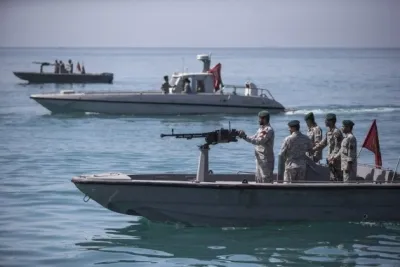
Iran has warned of 'serious consequences' for any foreign military involvement in the strait.
Ruling Democratic Party lawmaker Rep.
Woo Won-shik said he is 'absolutely' opposed to deployment; the main opposition People Power Party criticised the ruling party's stance as damaging to policy coherence.
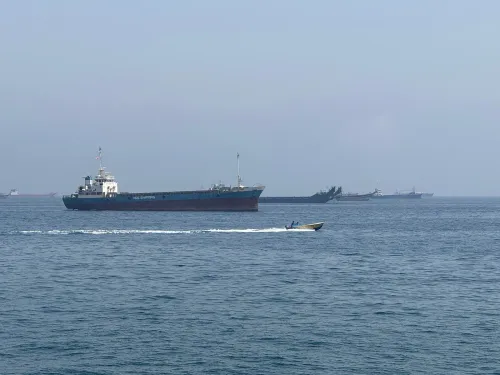
South Korea is framing its potential military contribution to the Strait of Hormuz around safe navigation, energy supply security, and the safety of its nationals — not its alliance obligations to the United States, a senior foreign ministry official stated on Thursday, 17 September 2026. The clarification came as Seoul continues internal deliberations on whether to deploy military assets to the strategically vital waterway amid pressure from the Donald Trump administration.
What Seoul's Position Actually Is
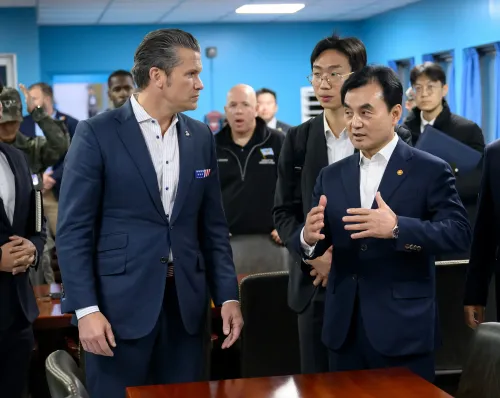
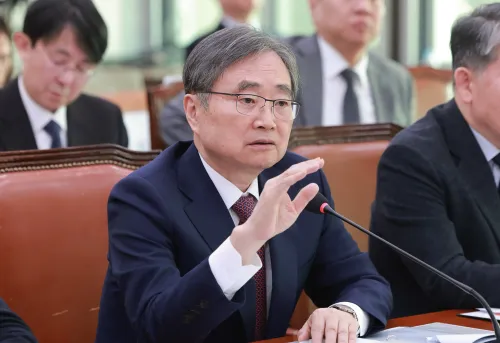
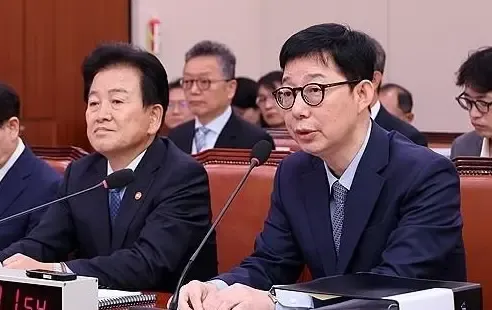
First Vice Foreign Minister Park Yoon-joo told the National Assembly's foreign affairs and unification committee that the government is 'looking at the issue basically not from the perspective of South Korea-US relations, but in terms of ensuring safe navigation, the security of energy supply routes and the safety of our people.' Park added that Seoul has been in close consultation with the international community on how to 'contribute' to restoring stability in the region — deliberately avoiding the word 'deployment.'
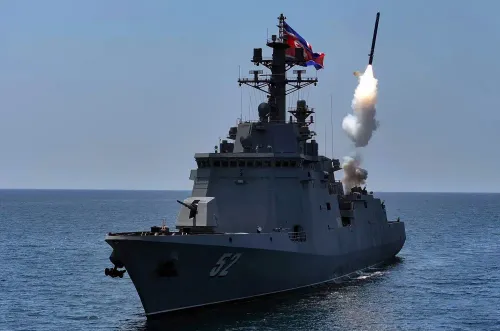
Assets reportedly under consideration include maritime patrol aircraft, explosive ordnance disposal teams, and unmanned systems for detecting and clearing naval mines. The government has, however, said no decision has been made yet.
Foreign Minister Heads to Washington
Foreign Minister Cho Hyun departed for Washington earlier on Thursday for talks with US Secretary of State Marco Rubio. Before leaving, Cho reiterated that Seoul would prioritise international cooperation while placing the safety of its citizens and freedom of navigation at the fore. According to Park, 'Minister Cho is also expected to approach the ministerial talks with the overall situation in mind.'
Iran's Warning and Domestic Opposition
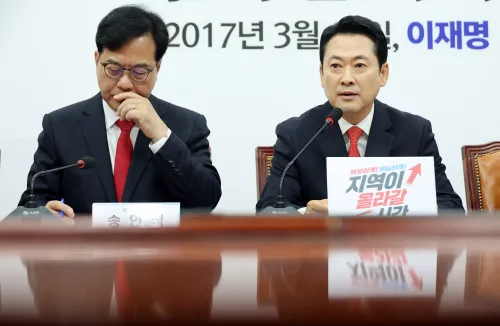
Iran has strongly opposed any foreign military involvement in the region, warning of 'serious consequences' for what it described as 'dangerous choices.' Domestically, the proposed contribution has split South Korea's political landscape. Rep. Woo Won-shik of the ruling Democratic Party (DP) said he was 'absolutely' opposed to any deployment, arguing it would lack justification and that the ongoing US-Iran conflict is 'fundamentally' different from the Iraq War — one not supported even by the American public. Other lawmakers flagged risks to Koreans in the region and cautioned that even noncombatant personnel could be perceived by Tehran as military intervention. Several called for Seoul to focus on postwar reconstruction and humanitarian efforts instead.
Opposition Party Pushes Back on Political Divide
Members of the main opposition People Power Party (PPP) criticised the ruling party's resistance, warning that a visible rift between the government and the DP could erode public confidence in Seoul's foreign policy coherence. The split underscores the domestic political complexity facing President's administration as it navigates between alliance commitments and public opinion. Notably, this debate unfolds as several other US partners also face pressure to contribute forces or assets to Hormuz security operations.
What Comes Next
The outcome of Foreign Minister Cho's meeting with Secretary Rubio in Washington is expected to shape the timeline and contours of any eventual decision. South Korea's deliberations carry significant weight given that the Strait of Hormuz handles a substantial share of the country's crude oil imports, making energy security a genuine national interest — not merely a diplomatic framing.
Point of View
Not a policy shift. South Korea imports roughly a third of its crude through the Strait of Hormuz, so the national-interest framing is substantively credible, but it is also a political cushion designed to give the government room to act without fully owning the optics of following a US directive. The domestic split — a ruling party openly opposing its own executive — is the more structurally significant story: it signals that the Trump administration's transactional pressure on allies is generating internal fractures in partner democracies. Whether Cho secures a face-saving formula in Washington, or returns with a hard ask, will determine whether this becomes a template for how middle powers navigate US demands in 2026.
NationPress
17 Sept 2026
Frequently Asked Questions
Why is South Korea considering a military role in the Strait of Hormuz?
South Korea is weighing a potential contribution to Hormuz security under pressure from the Donald Trump administration, which has asked allies to help secure the waterway. Seoul has framed its deliberations around energy security and safe navigation, as a significant share of its crude oil imports transits the strait.
What assets is South Korea reportedly considering for Hormuz?
According to reports, options under review include maritime patrol aircraft , explosive ordnance disposal teams , and unmanned systems for detecting and clearing naval mines. The government has said no final decision has been made.
What did First Vice Foreign Minister Park Yoon-joo say about the Hormuz talks?
Park told the National Assembly's foreign affairs committee that the government is approaching the issue 'not from the perspective of South Korea-US relations, but in terms of ensuring safe navigation, the security of energy supply routes and the safety of our people.'
How has Iran responded to the possibility of South Korean involvement?
Iran has strongly opposed any foreign military presence and warned of 'serious consequences' for what it called 'dangerous choices,' signalling that even noncombatant or technical contributions could be viewed as hostile intervention.
What is the domestic political situation in South Korea over this issue?
The proposal has split South Korea's political landscape. Ruling Democratic Party lawmaker Rep. Woo Won-shik expressed absolute opposition to deployment, while the main opposition People Power Party criticised the ruling party's stance as creating a damaging public perception of government-party discord.