Kim Jong-un's Dandong visit: South Korea hopes China trip revives dialogue
Synopsis
Kim Jong-un's surprise trip to Dandong — including a meeting with China's fourth-ranked official and a stop at a bus factory that raised UN sanctions flags — has prompted cautious hope in Seoul that inter-Korean and broader regional dialogue could resume. With Trump summit speculation swirling and a DMZ mine blast still unresolved, the Korean Peninsula is navigating one of its most diplomatically charged moments in years.
Key Takeaways
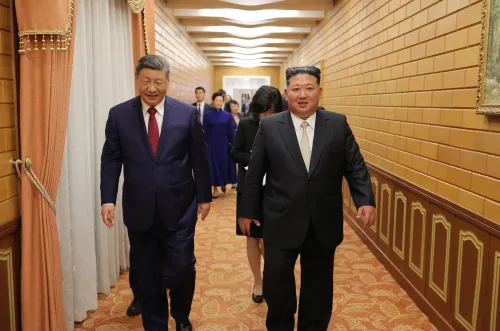
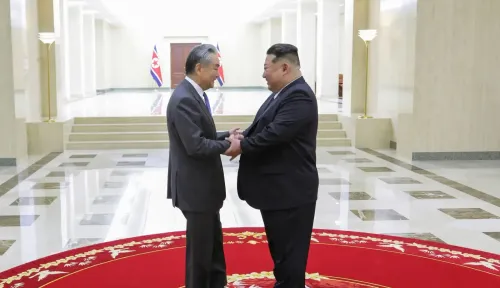
Kim Jong-un made a surprise one-day visit to Dandong , China on Saturday , meeting Wang Huning , China's fourth-highest-ranking official.
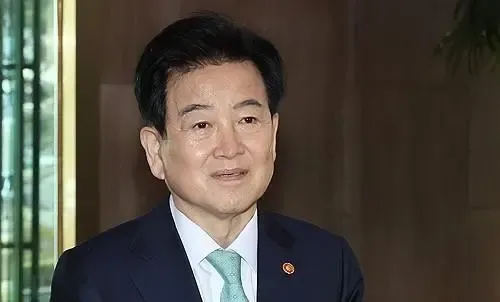
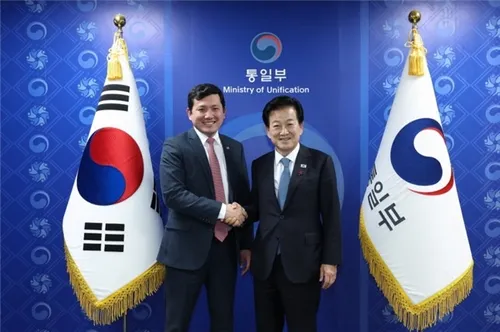
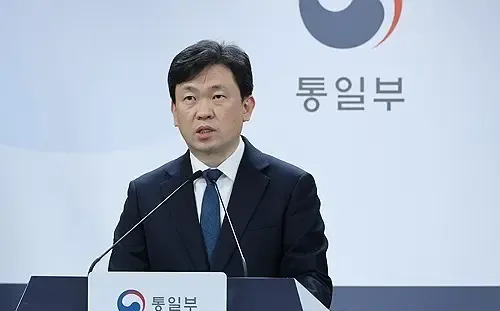
South Korea's Unification Ministry spokesperson Yoon Min-ho said Seoul hopes the visit leads to 'resumption of dialogue with neighbouring countries.' A factory stop in Dandong was seen as a push to expand North Korea-China cooperation in transportation and trade, though such exports violate UN sanctions .
Seoul is watching speculation that the trip could be linked to a potential summit between Kim Jong-un and US President Donald Trump .
North Korea sent a letter to the UN Security Council described as a 'countermeasure' to Seoul's letter over the 21 September DMZ mine blast that injured three South Korean soldiers.
South Korea's Unification Ministry is consulting with other ministries on measures in response to the DMZ incident.
South Korea's Unification Ministry on Monday, 26 October 2026 expressed hope that North Korean leader Kim Jong-un's surprise one-day trip to the Chinese border city of Dandong last week would reopen channels of dialogue with neighbouring nations. The visit, which saw Kim meet a senior Chinese official, has drawn significant diplomatic attention amid broader speculation about a potential thaw on the Korean Peninsula.
Kim's Dandong Visit and China Meeting
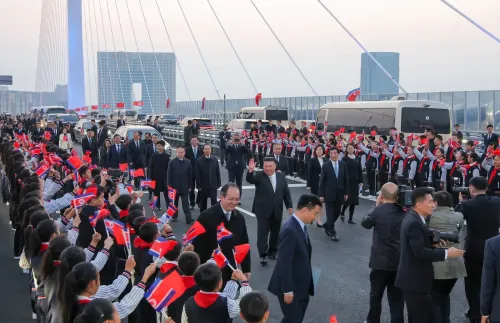
Kim Jong-un made a surprise visit to Dandong on Saturday, where he held talks with Wang Huning, China's fourth-highest-ranking official, as Pyongyang and Beijing move to deepen their traditionally close bilateral ties. A stop at a bus factory in Dandong was widely seen as a signal that North Korea is keen to expand cooperation with China in transportation and trade — though the export of transportation vehicles to North Korea remains in violation of UN sanctions.
North Korea did not officially specify the purpose of the factory visit. Yoon Min-ho, spokesperson for South Korea's Unification Ministry, said the ministry would 'watch developments without drawing conclusions.'
Seoul's Diplomatic Hope and Caution
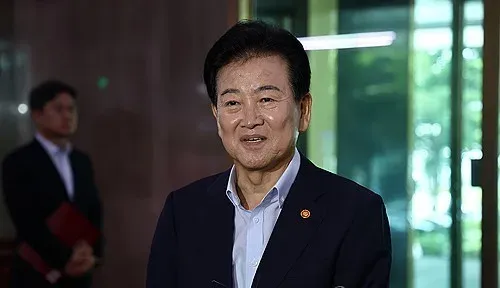
'We hope the visit will contribute to peace and stability on the Korean Peninsula and lead to the resumption of dialogue with neighbouring countries,' Yoon said at a regular ministry briefing. The statement reflects Seoul's carefully calibrated optimism — eager for engagement yet wary of reading too much into a single trip whose stated purpose remains undefined.
When asked whether Kim's Dandong trip could be connected to a possible summit with US President Donald Trump, Yoon said the South Korean government was 'watching closely' and would act appropriately if such a meeting were to materialise. The remarks come amid persistent speculation in diplomatic circles that a Kim-Trump engagement could resume after years of stalled negotiations.
The DMZ Mine Blast and UN Security Council Exchange
The diplomatic backdrop is complicated by an unresolved security incident. On 21 September, a mine blast in the Demilitarised Zone (DMZ) injured three South Korean soldiers, two of them seriously. Seoul subsequently sent a letter to the UN Security Council seeking North Korea's accountability for planting the mines.
Pyongyang responded by sending its own letter to the Security Council, which Yoon described as a 'countermeasure.' 'The letter reaffirms North Korea's position on the matter and appears to justify its border fortification work,' Yoon said. South Korea's Unification Ministry is reportedly consulting with other relevant government ministries on measures in response to the blast incident.
What Comes Next
The convergence of Kim's high-profile China visit, ongoing speculation about US-North Korea contact, and the unresolved DMZ tensions means the peninsula is in one of its more fluid diplomatic phases in recent years. Analysts will track whether Beijing's visible engagement with Pyongyang translates into pressure on Kim to re-engage multilaterally — or whether it simply deepens a bilateral axis that sidesteps the broader denuclearisation framework. South Korea's next steps, including its inter-agency consultations on the DMZ incident, are expected to shape the tone of any forthcoming dialogue attempts.
Point of View
With its UN sanctions dimension, suggests Pyongyang is less interested in multilateral re-engagement than in deepening a China-North Korea bilateral axis that effectively insulates it from Western pressure. The Trump summit speculation adds another layer: if a Kim-Trump dialogue resumes, it would bypass Seoul entirely in its early stages, leaving South Korea in precisely the observer role Yoon's 'watching closely' phrasing already implies. The DMZ mine blast letter to the Security Council, dismissed by Pyongyang as a justification for 'border fortification,' signals that Pyongyang has no intention of conceding ground on military posture. Seoul's inter-agency consultations may produce a firm response on the mine incident — but the larger question is whether Washington or Beijing, not Seoul, will drive the next chapter on the peninsula.
NationPress
26 Oct 2026
Frequently Asked Questions
Why did Kim Jong-un visit Dandong?
Kim Jong-un made a surprise one-day visit to Dandong, the Chinese border city, on Saturday, where he met Wang Huning, China's fourth-highest-ranking official. The visit is seen as part of efforts by North Korea and China to deepen bilateral ties, with a stop at a bus factory signalling interest in expanding transportation and trade cooperation.
How has South Korea responded to Kim's Dandong trip?
South Korea's Unification Ministry expressed hope that the visit would contribute to peace and stability on the Korean Peninsula and lead to a resumption of dialogue with neighbouring nations. Spokesperson Yoon Min-ho said the government is 'watching closely,' particularly regarding speculation about a potential Kim-Trump summit.
Could Kim's Dandong visit lead to a summit with US President Donald Trump?
South Korean officials have not confirmed any link between the Dandong visit and a potential Kim-Trump summit, but the government said it was 'watching closely' and would act accordingly if such a meeting materialised. The speculation reflects broader diplomatic interest in whether Pyongyang is signalling a willingness to re-engage with Washington.
What happened in the DMZ mine blast, and how is North Korea responding?
A mine blast in the Demilitarised Zone on 21 September injured three South Korean soldiers, two of them seriously. Seoul sent a letter to the UN Security Council seeking North Korea's accountability; Pyongyang responded with its own letter, which South Korea's ministry described as a 'countermeasure' that appears to justify North Korea's border fortification work.
Does the Dandong factory visit violate UN sanctions?
The export of transportation vehicles to North Korea is prohibited under UN sanctions, making Kim's stop at a bus factory in Dandong a diplomatically sensitive detail. South Korea's Unification Ministry said it would watch developments without drawing conclusions, noting that North Korea had not specified the purpose of the visit.