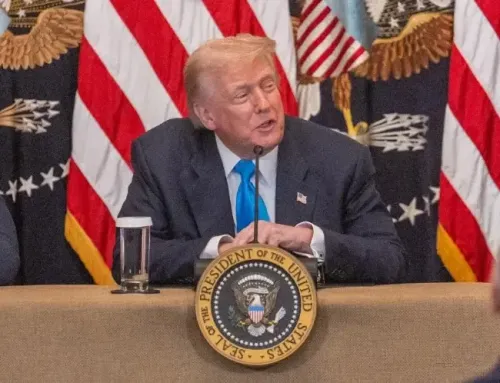
Stephen Miller: US asylum system fully closed, deportations to rise
Synopsis
Stephen Miller's blunt declaration that America's doors are 'fully closed' to asylum seekers marks a definitive policy statement — not just rhetoric. With third-country agreements in place, ICE flush with new congressional funding, and 13-plus months of zero southern-border releases claimed, the Trump administration is signalling that its immigration crackdown is structural, not seasonal.
Key Takeaways
Stephen Miller declared on 26 June that the US is 'fully closed' to asylum seekers under the Trump administration .
The administration has signed international agreements to redirect asylum claimants to third countries rather than admitting them to the US.
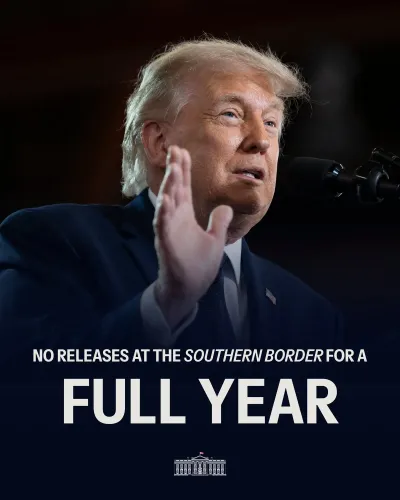
Miller claimed 13 or 14 consecutive months without a single migrant released at the southern border — described as unprecedented.
New congressional funding for ICE will be directed at enforcement and removal operations, with deportation numbers expected to rise.
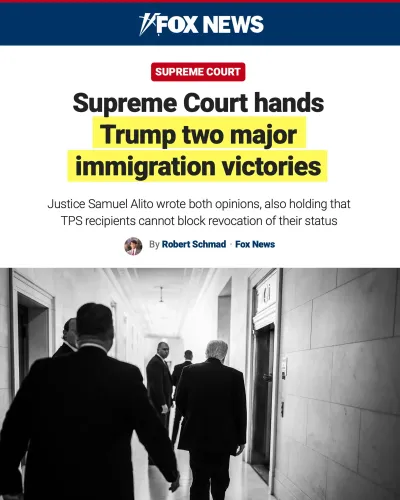
Haitian nationals who have lost temporary legal status are to be deported; Miller said high-crime conditions in Haiti do not constitute valid asylum grounds.
Several administration immigration measures, including an effort to end automatic birthright citizenship , remain subject to active court challenges.
White House Deputy Chief of Staff Stephen Miller declared on 26 June that the United States has effectively shut its doors to asylum seekers, with the Trump administration forging international agreements to redirect claimants to third countries rather than permitting them to remain on American soil. Miller outlined the administration's hardline immigration agenda in a direct exchange with reporters at the White House.
America's Doors 'Fully Closed' to Asylum Seekers
Miller stated that the administration has entered into agreements with nations across the world to receive individuals seeking asylum in lieu of allowing them entry into the United States. 'America's doors are closed fully to asylum seekers. We've set up agreements where if you want asylum, then we will find a country elsewhere in the world,' he said.
He further claimed that asylum applications filed by migrants crossing the southern border were largely without merit, characterising most claimants as economic migrants rather than individuals fleeing genuine persecution. 'All asylum claims across the border are always fake,' he said, citing what he described as widely reported assessments.
Immigration Enforcement and Deportation Expansion
Miller credited President Donald Trump's policies with achieving what he called an unprecedented enforcement milestone. 'Under President Trump's leadership, there have been 13 or 14 consecutive months without a single person released across the southern border. It's never been achieved before,' he said.
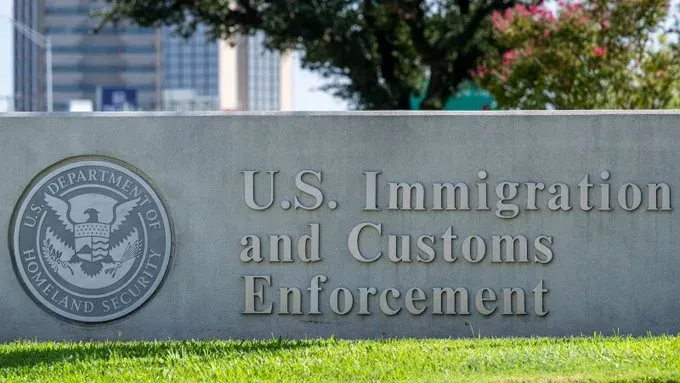
On deportation policy, Miller pointed to new funding approved through Congress for Immigration and Customs Enforcement (ICE) as the mechanism that would drive higher removal numbers. 'You've seen continuing budgetary reforms at ICE to make sure the resources are being allocated efficiently as possible towards actual enforcement and removal operations,' he said, adding that the fresh congressional allocation 'will allow deportation numbers to continue to climb.'
The Cartel Argument and Humanitarian Framing
Miller defended the administration's broader immigration posture by linking illegal border crossings to transnational criminal organisations. He alleged that migrants travelling without authorisation were routinely smuggled by cartels, with proceeds funding drug trafficking and human trafficking networks. 'The most humanitarian thing that we can do is... to end illegal immigration,' he argued.
Critics and immigration advocates have challenged this framing, arguing that many asylum seekers are fleeing documented violence and persecution and that third-country agreements may not meet international protection standards. Those counterarguments were not addressed in Miller's remarks.
Haitians and Temporary Protections
Asked specifically about Haitian nationals whose temporary legal protections have been affected by recent court rulings, Miller was unequivocal. 'Of course, if you no longer have status in this country, then you're supposed to be deported,' he said. He dismissed concerns about safety conditions in Haiti, stating that high-crime communities have 'never been the case' as a valid basis for asylum. 'For Haitians. Absolutely,' he replied when asked whether the administration considered Haiti safe for returnees.
Broader Immigration Agenda Under Trump's Second Term
Immigration has been the central domestic policy issue of President Trump's second administration. Since returning to office, the administration has moved to tighten border controls, accelerate removals, and curtail humanitarian programmes introduced under former President Joe Biden. It has also pursued executive actions to end automatic birthright citizenship for children born in the US to certain non-citizen parents — a measure that remains subject to ongoing court challenges. With fresh ICE funding in place and third-country agreements expanding, the administration signals that enforcement intensity will only increase in the months ahead.
Point of View
And he is narrating its completion. The 'third-country agreement' framing is significant: it outsources asylum adjudication to nations whose protection standards are untested and largely unscrutinised by US courts. The claim that all southern-border asylum claims are 'fake' is a sweeping legal assertion that conflicts with decades of US asylum jurisprudence and UNHCR guidance. And the Haiti safety declaration — made against the backdrop of active US State Department travel advisories — exposes the administration to fresh litigation. The real story is not the rhetoric but the institutional rewiring: ICE funding, bilateral removal deals, and executive birthright actions that, if they survive the courts, will outlast any single news cycle.
NationPress
26 Jun 2026
Frequently Asked Questions
What did Stephen Miller say about the US asylum system?
Miller declared on 26 June that America's doors are 'fully closed' to asylum seekers, with the Trump administration having signed agreements to send claimants to third countries rather than allowing them to remain in the United States. He also characterised most southern-border asylum applications as fraudulent.
Which countries will receive US asylum seekers under the new agreements?
Miller did not name specific countries, stating broadly that the administration has 'agreements all over the world' to receive asylum seekers redirected from the United States. The details and protection standards of those agreements have not been publicly disclosed.
How will deportations change under the Trump administration's new ICE funding?
New funding approved by Congress for Immigration and Customs Enforcement (ICE) will be directed toward enforcement and removal operations, according to Miller. He said the allocation 'will allow deportation numbers to continue to climb,' building on what he described as 13 or 14 consecutive months without any migrant releases at the southern border.
What is the administration's position on Haitian deportees?
Miller said Haitians who have lost temporary legal status in the United States are subject to deportation, and he dismissed safety concerns about Haiti. He stated that high-crime communities have never been a recognised basis for asylum and that Haiti is safe 'for Haitians,' a position that conflicts with active US State Department travel advisories.
Which Trump immigration measures are still being challenged in court?
Several measures remain under active legal challenge, including the administration's effort to end automatic birthright citizenship for children born in the US to certain non-citizen parents. Other executive actions restricting humanitarian immigration programmes introduced under former President Joe Biden are also subject to ongoing litigation.