Taliban diplomatic outreach grows, but global recognition stays elusive in 2026
Synopsis
Five years after the Taliban seized power, countries are threading a careful diplomatic needle — appointing non-resident ambassadors and basing embassies in Doha to stay engaged without granting legitimacy. Russia stands alone as the only country to formally recognise the regime, while the UN says there is 'no movement' on broader recognition. The Taliban's path to global legitimacy runs squarely through women's rights and counter-terrorism commitments.
Key Takeaways
Countries including Belarus , Nicaragua , and Norway have appointed non-resident ambassadors to Afghanistan since the Taliban takeover in August 2021 .
The United States and Spain have relocated their Afghan embassies to Doha, Qatar , avoiding a physical presence in Kabul.
Russia is currently the only country to have formally recognised the Taliban regime.
Five foreign ambassadors — from China , Uzbekistan , the UAE , Qatar , and Belarus — have presented credentials in Kabul .
The UN reported in August 2026 that there is 'no movement' among member-states towards recognising the Taliban.
The EU has tied any change in its stance to significant progress on women's rights and human rights in Afghanistan.
More than five years after the Taliban retook control of Afghanistan in August 2021, a growing number of countries are quietly expanding diplomatic engagement with Kabul — yet formal recognition of the regime remains almost universally withheld, according to reports. Nations including Belarus, Nicaragua, and Norway have appointed non-resident ambassadors to Afghanistan, while the United States and Spain have relocated their Afghan embassies to Doha, Qatar, allowing limited engagement without a physical presence in Kabul.
The Non-Resident Ambassador Workaround
Former diplomats, speaking to Afghan media outlet Tolo News, explained that the non-resident ambassador model allows countries to maintain a diplomatic channel with the Taliban authorities without granting them formal recognition. This arrangement enables governments to monitor political, economic, and security developments in Afghanistan, facilitate humanitarian access, and engage in dialogue — all while sidestepping the contentious question of legitimacy.
Some European nations have gone further, designating special representatives for Afghan affairs rather than appointing formal envoys. This approach gives governments flexibility to adjust their posture as conditions on the ground evolve.
Credentials Exchanged, But Recognition Withheld
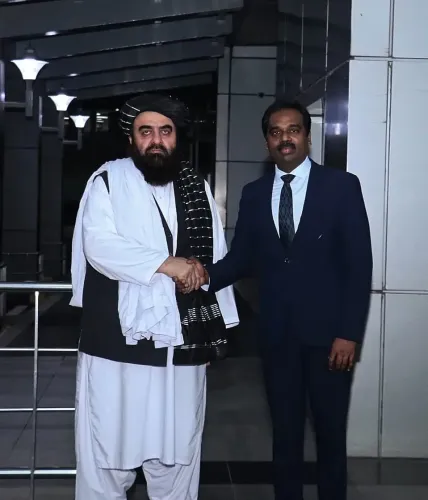
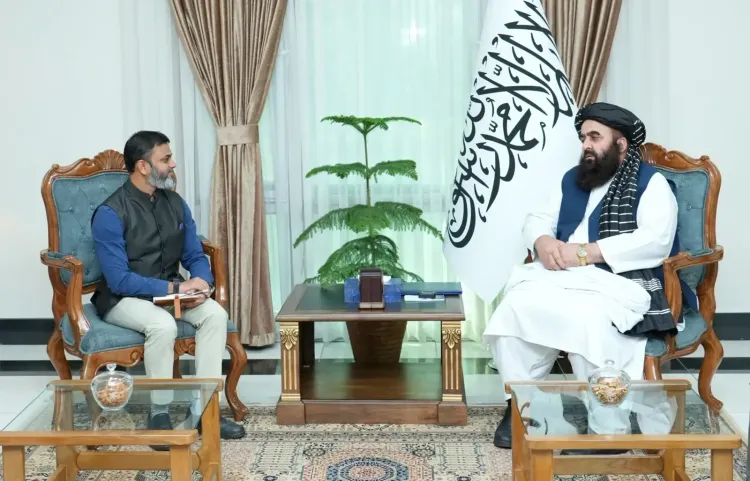
Five foreign ambassadors — from China, Uzbekistan, the United Arab Emirates, Qatar, and Belarus — have presented their credentials in Kabul, according to earlier reports. On the other side, only four countries have officially accepted credentials from Afghan ambassadors: China, the UAE, Uzbekistan, and Russia.
Notably, Russia remains the only country to have extended formal recognition to the Taliban regime. The vast majority of the international community, including the United Nations and its member-states, continue to refer to the Taliban as Afghanistan's 'de facto authorities' rather than its legitimate government.
UN and European Union Positions
Farhan Haq, Deputy Spokesperson for the UN Secretary-General, stated in August 2026 that there was currently 'no movement' among member-states towards recognising the Taliban, according to reports citing Afghanistan International. The UN and member-states have consistently called on the Taliban to uphold human rights — especially those of women and girls — and to honour its international obligations before any recognition could be considered.
Separately, Henna Virkkunen, Executive Vice-President of the European Commission, confirmed that the EU has not recognised the Taliban, stating that any shift in relations would depend on 'significant progress in human rights, particularly women's rights.' Her remarks came in response to a statement by Baktash Siawash, a former Afghan lawmaker, at the European Parliament, who alleged the EU and the broader international community were applying double standards towards Afghanistan.
Siawash called for the formal recognition of gender apartheid in Afghanistan, an end to diplomatic relations with the Taliban, and the group's designation as a terrorist organisation.
The Road to Formal Recognition
Analysts and former diplomats suggest the Taliban faces a difficult path to winning global legitimacy. For countries to consider reopening embassies in Kabul or upgrading diplomatic ties, the regime would need to demonstrably address international concerns — including restrictions on women's education and employment, counter-terrorism commitments, and meaningful engagement with the broader international community.
The dual-track approach — humanitarian aid and security dialogue through special envoys, while withholding formal recognition — appears set to continue for the foreseeable future, as the international community waits for concrete policy shifts from Kabul.
Point of View
Not a breakthrough — it reflects the world's inability to either fully engage or fully isolate the Taliban. Russia's lone formal recognition exposes the fracture in multilateral consensus, but it has not triggered a cascade. The more revealing signal is the EU's explicit conditionality: women's rights as a prerequisite, not a footnote. Until Kabul moves on that front, the current limbo — engagement without legitimacy — is the equilibrium the international community has quietly accepted.
NationPress
6 Nov 2026
Frequently Asked Questions
Which countries have recognised the Taliban government in Afghanistan?
Russia is currently the only country to have formally recognised the Taliban regime. While five foreign ambassadors from China, Uzbekistan, the UAE, Qatar, and Belarus have presented credentials in Kabul, and four countries have accepted Afghan ambassadors, these steps fall short of formal recognition under international norms.
Why are countries appointing non-resident ambassadors to Afghanistan?
Non-resident ambassadors allow countries to maintain a diplomatic channel with the Taliban authorities without reopening embassies in Kabul or granting formal recognition to the regime. This model enables governments to monitor developments, facilitate humanitarian aid, and engage on security issues while preserving political flexibility.
What is the UN's position on recognising the Taliban?
The UN and the overwhelming majority of its member-states refuse to formally recognise the Taliban. As of August 2026, the UN Deputy Spokesperson confirmed there was 'no movement' among member-states toward recognition, with the body continuing to refer to the Taliban as Afghanistan's 'de facto authorities.'
What conditions has the European Union set for changing its stance on the Taliban?
The EU has stated it has not recognised the Taliban and that any shift in relations would require significant progress on human rights, particularly women's rights. Executive Vice-President Henna Virkkunen confirmed this position in response to criticism of double standards raised at the European Parliament.
What must the Taliban do to gain wider global recognition?
According to reports and diplomatic assessments, the Taliban would need to address international concerns on women's and girls' rights to education and employment, fulfil counter-terrorism obligations, and engage constructively with the international community before most countries would consider reopening embassies in Kabul or granting formal recognition.