Iran FM Araghchi: Tehran chose diplomacy but was attacked mid-negotiations at SCO
Synopsis
Iran's top diplomat used the SCO foreign ministers' summit in Kyrgyzstan to issue a pointed warning: the world's silence on attacks against Tehran is an open invitation for aggressors to strike again. The most striking detail — Iran was hit while actively engaged in negotiations, turning a diplomatic overture into a security vulnerability.
Key Takeaways
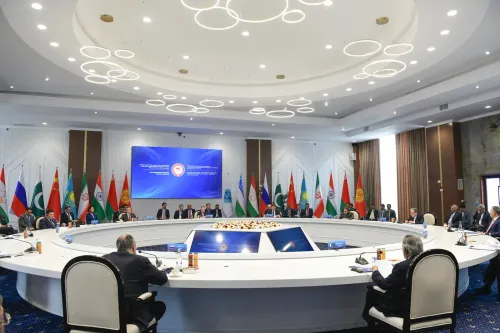
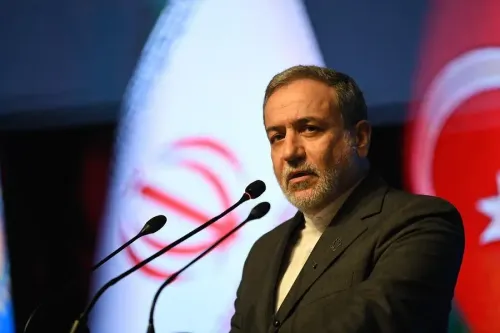
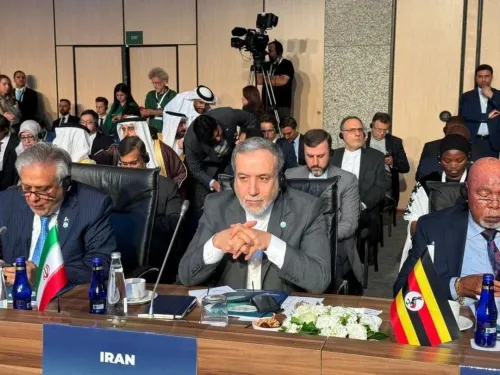
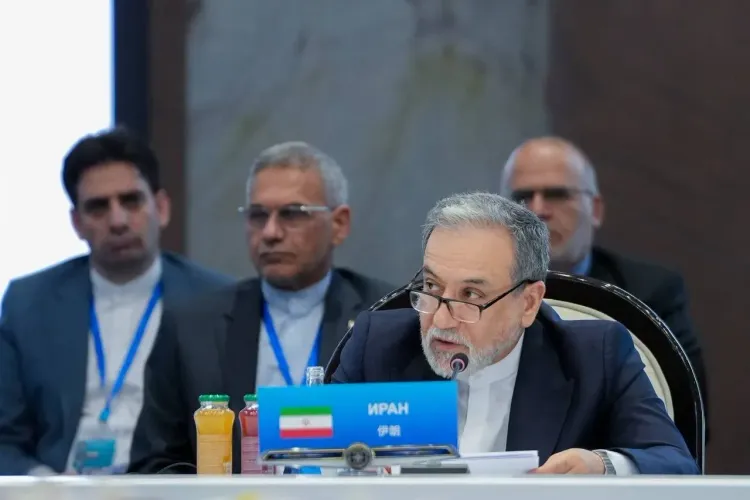
Iranian Foreign Minister Seyed Abbas Araghchi addressed the SCO foreign ministers' meeting in Cholpon-Ata, Kyrgyzstan on 25 July 2025 .
Araghchi warned that international silence on attacks against Tehran would encourage aggressors to repeat their crimes.
He stated that Iran was attacked while actively engaged in diplomacy and negotiations, undermining trust in peaceful mechanisms.
Araghchi warned that any country assisting in aggression against Iran would bear international legal responsibility .
He declared that Iran would treat the source of any aggression as a legitimate target for its armed forces' defensive measures.
Araghchi noted that many SCO member states share Iran's condemnation of unilateral actions and violations of international law.
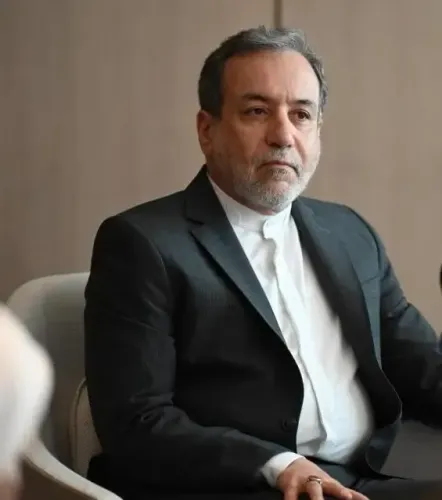
Iranian Foreign Minister Seyed Abbas Araghchi on Friday, 25 July 2025, warned the international community that its silence or hesitant response to attacks on Tehran would embolden aggressors to repeat their crimes. Speaking at the Shanghai Cooperation Organisation (SCO) foreign ministers' meeting in Cholpon-Ata, Kyrgyzstan, Araghchi delivered one of Iran's sharpest diplomatic rebukes yet over what he described as US–Israeli aggression.
Key Statements at the SCO Meeting
Araghchi stressed that the attacks on Iran occurred while Tehran had actively chosen the path of diplomacy and dialogue — and was struck in the middle of ongoing negotiations. He argued that such actions fundamentally undermine trust in diplomacy and erode the credibility of peaceful conflict-resolution mechanisms.
He cautioned that no country could consider itself safe from becoming the next target of strikes on educational institutions, medical facilities, critical infrastructure, economic assets, and even peaceful nuclear facilities operating under the supervision of the International Atomic Energy Agency (IAEA), according to reports citing Iran's official state media.
Iran's Warning on International Responsibility
According to the Iranian Embassy in India, Araghchi issued a direct warning that any participation, cooperation, or assistance in acts of aggression against Iran would carry international legal responsibility for the parties involved. He further stated that Iran would regard the source of any act of aggression as a legitimate target for the defensive measures of its armed forces — a significant escalatory signal from Tehran's top diplomat.
The Iranian Embassy in India relayed these remarks via a post on X (formerly Twitter), quoting Araghchi's address verbatim.
Shared Positions With SCO Members
Araghchi noted that Iran shares common ground with several SCO member states, many of which have reportedly condemned unilateral actions, violations of international law, and the unlawful use of force. He indicated that recent US actions and broader regional developments have placed Iran at the centre of international attention and multilateral dialogue.
The Government of Iran confirmed on X that Araghchi described these regional developments as among the key issues under active discussion at the Cholpon-Ata summit.
Context and Significance
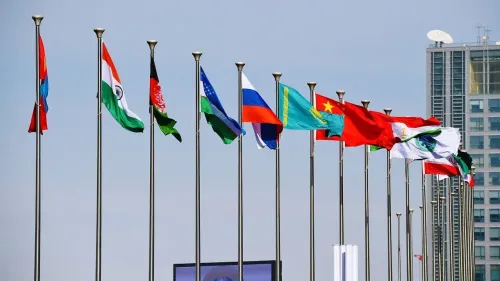
The SCO foreign ministers' meeting in Kyrgyzstan provided Tehran with a multilateral platform to formally register its grievances before a bloc that includes China, Russia, India, and several Central Asian states — many of whom have maintained positions critical of Western unilateralism. Araghchi's remarks come amid an already volatile regional security environment, with Iran-US tensions running high over nuclear negotiations and military posturing.
Notably, Iran's decision to raise these concerns at the SCO — rather than solely at the United Nations — signals a deliberate diplomatic pivot toward non-Western multilateral forums, a pattern that has grown more pronounced since 2022. The international community's response to Araghchi's warnings, and whether SCO members formally endorse Iran's position, will shape the next phase of Tehran's diplomatic strategy.
Point of View
If substantiated, is a serious indictment of the diplomatic process itself and hands Tehran a powerful narrative: that engaging in talks offers no security guarantee. The harder question mainstream coverage sidesteps is whether SCO members will move beyond rhetorical solidarity to any form of collective response — or whether Araghchi's warnings will remain diplomatically noted and strategically ignored. Iran's escalatory language around 'legitimate targets' also raises the stakes for any third-party state that continues logistical or intelligence cooperation with the US or Israel.
NationPress
24 Jul 2026
Frequently Asked Questions
What did Iranian FM Araghchi say at the SCO meeting in Kyrgyzstan?
Araghchi warned that the international community's silence on attacks against Tehran would encourage aggressors to repeat their actions. He also stated that Iran was attacked while actively pursuing diplomacy and negotiations, and cautioned that assisting in aggression against Iran would carry international legal responsibility.
Why did Iran raise its concerns at the SCO summit?
The SCO, which includes China, Russia, India, and several Central Asian states, provides Iran with a multilateral platform where many members have been critical of Western unilateralism. By addressing the SCO, Tehran is building diplomatic support outside traditional Western-dominated forums like the UN Security Council.
What warning did Araghchi issue regarding Iran's military response?
Araghchi stated that Iran would regard the source of any act of aggression as a legitimate target for the defensive measures of its armed forces. He also warned that any country participating in, cooperating with, or assisting acts of aggression against Iran would bear international legal responsibility.
What does Iran mean by being 'attacked during negotiations'?
Araghchi stated that Tehran had chosen diplomacy and dialogue as its preferred path, but was subjected to attacks while negotiations were still ongoing. He argued this undermines global trust in diplomacy and calls into question the value of peaceful conflict-resolution mechanisms.
Which countries attended the SCO foreign ministers' meeting where Araghchi spoke?
The SCO foreign ministers' meeting was held in Cholpon-Ata, Kyrgyzstan, and includes member states such as China, Russia, India, Pakistan, and several Central Asian nations. Iran has been a full SCO member since 2023, giving it a formal seat at such summits.