Trump denies offering Iran sanctions relief, calls Axios report a hoax
Synopsis
Trump publicly torched an Axios report claiming he offered Iran sanctions relief, calling it a hoax — even as Iranian FM Araghchi laid out a detailed seven-day plan to reopen the Strait of Hormuz if the US lifts its blockade, releases frozen assets, and ends the conflict. With a critical shipping chokepoint at stake and both sides hardening their public positions, the gap between diplomacy and escalation has rarely looked narrower.
Key Takeaways
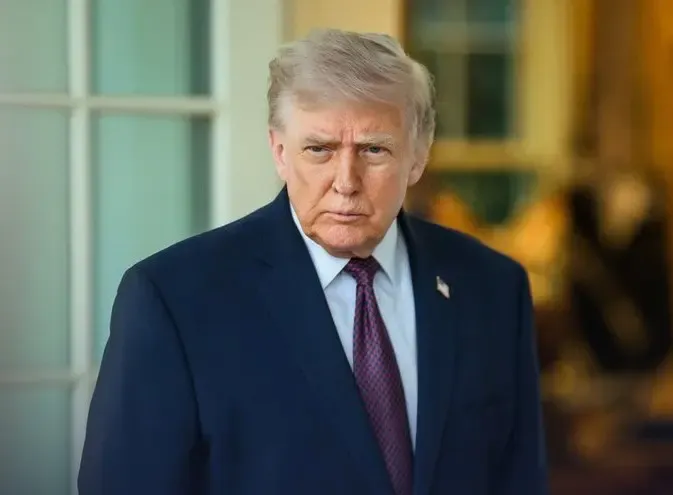
President Donald Trump denied on 29 September that his administration offered Iran sanctions relief or frozen funds in exchange for nuclear concessions.
Trump called the Axios report a ‘HOAX’ and demanded its immediate retraction in a social media post.
The report followed Trump’s weekend rejection of an Iran-proposed ceasefire deal tied to the Strait of Hormuz blockade.
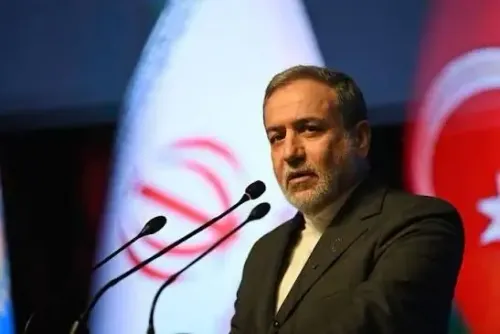
Iranian Foreign Minister Abbas Araghchi outlined a seven-day plan : US lifts blockade and releases assets within 4–5 days , strait reopens on day six, broader talks begin day seven.
Araghchi warned Iran is ‘fully prepared’ for resumed conflict, ‘even if it comes to a doomsday war.’
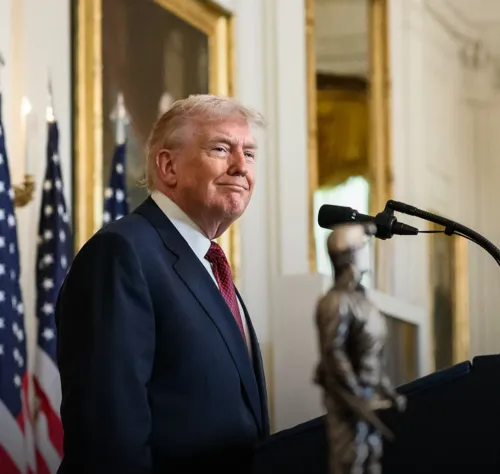
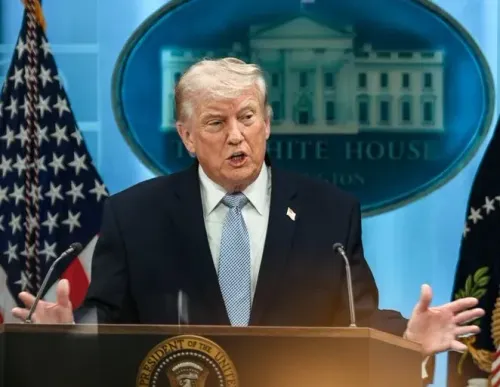
US President Donald Trump on 29 September flatly denied a report by Axios claiming his administration had offered Iran sanctions relief and access to frozen funds in exchange for nuclear concessions, calling the story a fabrication and demanding its immediate retraction. The denial came amid an escalating diplomatic standoff over the Strait of Hormuz and Iran's nuclear programme.
Trump's Denial and Demand for Retraction
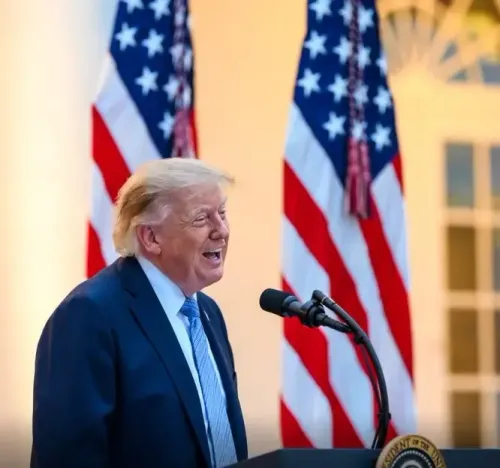
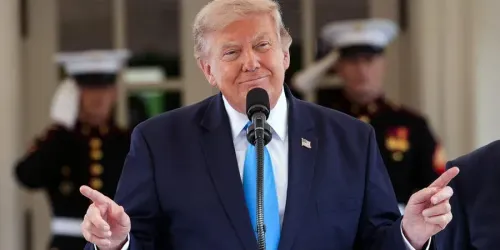
Trump pushed back forcefully against the Axios report in a post on social media, writing: “Axios just released a story that ‘Trump’ offered Sanctions Relief and Frozen Funds to Iran. This is untrue. I offered them NOTHING! Axios’ story, like most others, is a HOAX.” He further demanded that Axios “IMMEDIATELY” withdraw the story. The White House has not issued a separate formal statement beyond the president’s own post.
Background: Iran’s Ceasefire Proposal and Trump’s Rejection
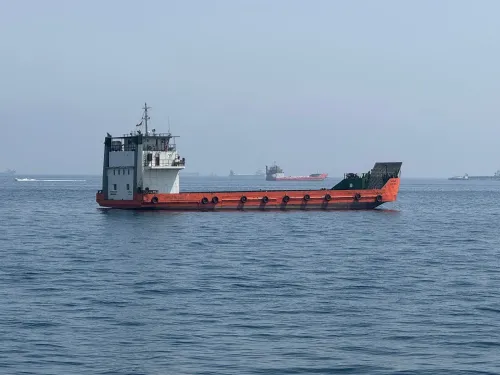
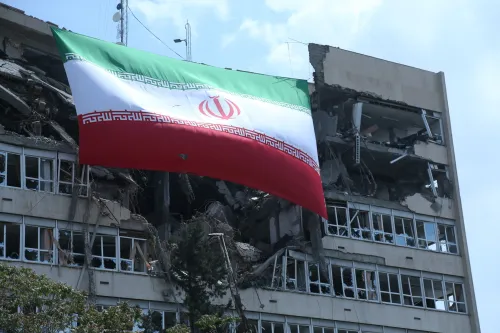
The Axios report surfaced in the aftermath of Trump’s rejection of an Iran-proposed ceasefire deal over the weekend. According to reports, Iran’s proposal called for a suspension of the US blockade on Iranian ports in the Strait of Hormuz in exchange for Tehran reopening the remainder of the strait and resuming talks over its nuclear programme. The strait is one of the world’s most critical oil shipping chokepoints, handling roughly a fifth of global crude flows.
Iran’s Conditions and the Seven-Day Plan
Iranian Foreign Minister Abbas Araghchi outlined Tehran’s position in detail during an appearance on NBC’s Meet the Press on Sunday. “Our proposal is very clear. We are ready to open the Strait if certain things are done by the US,” Araghchi said. He specified that Iran wants its frozen assets released, the US conflict ended, the blockade lifted, and the right to sell oil restored. “We want our moneys, our assets, which are illegally frozen, to be released. We want, you know, to be able to sell our oil,” he said. Araghchi indicated that these steps could be completed within four or five days, with the strait reopening on day six and broader negotiations beginning the following day — a framework he described as a “seven-day plan.”
Tehran’s Warning: ‘Even a Doomsday War’
Araghchi also issued a stark warning in response to Trump’s rejection of the peace proposal. “We are fully prepared for the war to be resumed. We stand firm in the face of any new aggression, even if it comes to a doomsday war,” he said on Sunday. He added that it is “up to President Trump to choose” between diplomacy and continuing the conflict. The language signals that Tehran, while presenting a structured negotiating framework, is simultaneously signalling military resolve — a dual-track posture it has maintained through previous rounds of US-Iran tensions.
What Comes Next
The competing narratives — Trump’s denial of any offer versus Axios’s reported account — leave the diplomatic picture murky. Notably, neither side has confirmed direct formal negotiations are underway. With the Strait of Hormuz blockade unresolved and Iran’s seven-day window framed as a time-sensitive offer, the coming days will be critical for both global energy markets and the broader trajectory of US-Iran relations. Whether Washington engages with Tehran’s structured proposal or maintains its current posture remains the defining question.
Point of View
Suggesting Tehran may be testing whether a structured, time-bound offer forces Washington’s hand before a wider escalation. The Strait of Hormuz is not an abstraction: a prolonged blockade scenario would ripple through global oil prices within days. Mainstream coverage is focusing on the he-said/they-said of the Axios dispute; the more consequential question is whether any back-channel exists at all — and whether the public posturing on both sides is leaving room for one.
NationPress
29 Sept 2026
Frequently Asked Questions
What did Trump deny regarding Iran?
Trump denied that his administration offered Iran sanctions relief and access to frozen funds in exchange for nuclear concessions, calling an Axios report on the matter a ‘HOAX’ and demanding its immediate retraction. He stated in a social media post that he offered Iran ‘NOTHING.’
What is Iran’s seven-day plan for the Strait of Hormuz?
Iranian Foreign Minister Abbas Araghchi outlined a plan in which the US would end the conflict, lift its blockade on Iranian ports, release frozen Iranian assets, and allow Iran to sell oil — steps he said could be completed in four to five days. The Strait of Hormuz would then reopen on day six, with broader nuclear and diplomatic negotiations beginning on day seven.
Why did Trump reject Iran’s ceasefire proposal?
The source material confirms Trump rejected Iran’s ceasefire proposal over the weekend but does not detail his stated reasons. Iran’s proposal reportedly required a suspension of the US blockade on Iranian ports in the Strait of Hormuz in exchange for Tehran reopening the strait and resuming nuclear talks.
What did Iran’s foreign minister say about the possibility of war?
Foreign Minister Abbas Araghchi said on Sunday that Iran is ‘fully prepared for the war to be resumed’ and would ‘stand firm in the face of any new aggression, even if it comes to a doomsday war.’ He also said it is ‘up to President Trump to choose’ between diplomacy and continuing the conflict.
Why does the Strait of Hormuz matter in this dispute?
The Strait of Hormuz is one of the world’s most critical oil shipping lanes, and a sustained blockade would have immediate consequences for global energy supply and prices. Iran’s proposal centres on reopening the strait in exchange for US concessions, making it the pivotal leverage point in the current standoff.