Trump credits tariffs for 60,000 new US manufacturing jobs in 2026
Synopsis
Standing at a Peterbilt truck plant in Texas, Trump declared his tariff policy a manufacturing triumph — 60,000 new jobs, record exports, and a 44-year low in the China trade deficit. The claims, delivered with industry executives cheering alongside him, are set to face intense scrutiny from economists and trading partners alike.
Key Takeaways
President Trump claimed the US added 60,000 new manufacturing jobs in 2026, attributing the gains to his tariff policies.
Trump said American exports had reached record highs and the US trade deficit with China had fallen to its lowest level in 44 years .
Heavy truck manufacturing output is reportedly up roughly 31% , with shipments at an all-time high.
Peterbilt told Trump its tariff-enabled expansion had resulted in 1,000 new hires .
A rollback of a nitrogen oxide regulation is projected to cut $6,000 from the production cost of each truck.
Critics argue tariff-led gains can be offset by higher input costs and consumer inflation, and independent verification of the figures is pending.
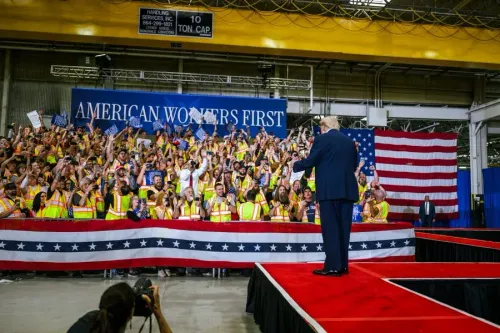
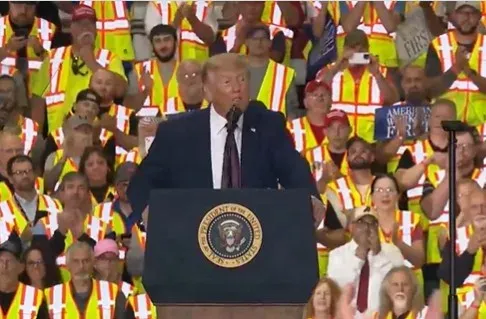
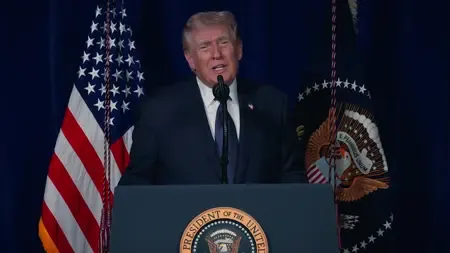
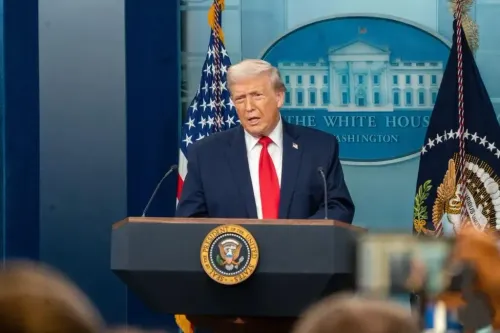
US President Donald Trump on 2 October 2026 credited his administration's tariff policies with reviving American manufacturing, claiming the United States had added 60,000 new manufacturing jobs this year and seen a surge in factory construction across the country. Trump made the remarks during a visit to a Peterbilt truck manufacturing facility in Texas, using the site as a backdrop to argue that trade protectionism was delivering measurable industrial gains.
Key Claims from Trump's Texas Visit
Speaking at the Peterbilt plant, Trump said factories and manufacturing plants were being built 'all over the country,' attributing the trend directly to his tariff regime. He argued that prior to his policies, foreign producers were dumping goods into the US market while taking jobs away from American workers.
'They'd drop their products here; they'd walk away with the money, and you'd walk away with no jobs. But not with me and we changed it,' Trump said.
The President further claimed that American exports had reached record levels and that the US trade deficit with China had fallen to its lowest point in 44 years. 'Thanks to our strong tariff policy, this year, American exports have surged to the highest level in history, in the history of our country,' he said. He added that the trade deficit with China had 'plummeted to the lowest level that we've had in 44 years.'
Heavy Truck Sector Held Up as Proof
Trump highlighted the heavy truck manufacturing segment as a specific success story, stating that output was up roughly 31% and that heavy truck shipments had hit an all-time high under his administration. Peterbilt events manager Sarah Renshaw told Trump that the company had been able to increase production and hire 1,000 new employees as a direct result of the tariffs.
'Mr. President, because of your tariffs, we have been able to hire -- increase production and hire 1,000 employees,' Renshaw said.
PACCAR CEO Preston Feight also welcomed Trump to the facility and praised the administration's trade approach. 'President Trump, we are so thankful to you, Secretary of Commerce Lutnick and the whole administration for putting trade policies in place that are good for America,' Feight said, adding that the policies were good for customers and for strengthening American manufacturing.
Regulatory Rollback Added to the Mix
Beyond tariffs, Trump linked the truck industry's performance partly to his administration's decision to roll back environmental regulations. He specifically cited the reversal of a nitrogen oxide regulation, claiming the move would cut an estimated $6,000 from the cost of each truck produced. 'This action alone will cut an estimated $6,000 from the cost of each truck built and it'll be a better truck,' Trump said.
Broader Trade Policy Context
Tariffs have been a central instrument of Trump's economic agenda, with his administration deploying both broad-based and sector-specific duties on imports it considers threats to domestic production or national security. Critics, however, argue that tariff-driven manufacturing gains can be offset by higher input costs for downstream industries and inflationary pressure on consumers — dynamics that independent economists say complicate any simple jobs accounting. The manufacturing wages claim and the trade deficit figures cited by Trump have not been independently verified in this report. This comes amid ongoing debate about the long-term sustainability of tariff-led industrial policy, with several trading partners having filed or signalled challenges at the World Trade Organization.
With Trump framing these figures as early vindication of his second-term economic strategy, the data will face close scrutiny from Congress, trade economists, and US trading partners in the weeks ahead.
Point of View
Even when the underlying numbers invite scrutiny. The 60,000 jobs claim and the 44-year-low trade deficit figure are unverified in isolation and sit uneasily alongside persistent economist warnings that broad tariffs raise input costs for manufacturers downstream. What mainstream coverage often misses is the selective framing: heavy trucks are a narrow, politically resonant slice of US industry, and a 31% output uptick in one segment does not map cleanly onto a broader manufacturing revival. The harder question — whether these gains survive if trading partners retaliate further or if consumer price pressures accelerate — goes unanswered in Trump's victory lap.
NationPress
2 Oct 2026
Frequently Asked Questions
What did Trump claim about US manufacturing jobs in 2026?
Trump claimed the US added 60,000 new manufacturing jobs in 2026, which he attributed to his administration's tariff policies. He made the remarks during a visit to the Peterbilt truck facility in Texas on 2 October 2026.
What did Trump say about the US trade deficit with China?
Trump said the US trade deficit with China had fallen to its lowest level in 44 years as a result of his tariff policy. He also claimed American exports had surged to their highest level ever, though neither figure has been independently verified in this report.
Why did Trump visit the Peterbilt facility in Texas?
Trump visited the Peterbilt truck manufacturing plant in Texas to highlight what he described as the success of his trade and tariff policies. Company events manager Sarah Renshaw told him that the tariffs had enabled Peterbilt to increase production and hire 1,000 new employees.
How does the nitrogen oxide regulation rollback affect truck manufacturing?
Trump said his administration's reversal of a nitrogen oxide regulation would cut an estimated $6,000 from the production cost of each heavy truck. He framed this as part of a broader deregulatory push to lower manufacturing costs alongside tariff protection.
What do critics say about Trump's tariff-led manufacturing claims?
Critics and independent economists argue that tariff-driven manufacturing gains can be undermined by higher input costs for industries that rely on imported materials, as well as inflationary pressure on consumers. Several US trading partners have also signalled or filed challenges against American tariff measures at the World Trade Organization.