USCIRF urges Trump to press Xi on Panchen Lama's release at Sept 24 summit
Synopsis
With the Trump-Xi summit set for 24 September, a US religious freedom body is pressing Trump to do what he did for Pastor Jin in May — use personal diplomacy to spring high-profile prisoners. The Panchen Lama, missing since childhood, tops a list that also includes Jimmy Lai. Beijing's partial precedent makes this a test of whether summits can deliver real human rights wins.
Key Takeaways
USCIRF issued its appeal on 14 September , ahead of a planned Trump-Xi summit on 24 September .
The commission's list includes the Panchen Lama Gedhun Choekyi Nyima and his family, Jimmy Lai , Gulshan Abbas , Ekpar Asat , and Pastor Gao Quanfu and his wife Pang Yu .
Chinese authorities freed Pastor Ezra Jin of the Zion Church in July after a direct appeal by Trump at a May Beijing summit — cited as the precedent for renewed pressure.
Eight Zion Church leaders arrested alongside Jin remain in detention, according to USCIRF.
USCIRF also urged Trump to seek a passport for Pastor John Cao , a US lawful permanent resident, to enable him to return for urgent medical care.
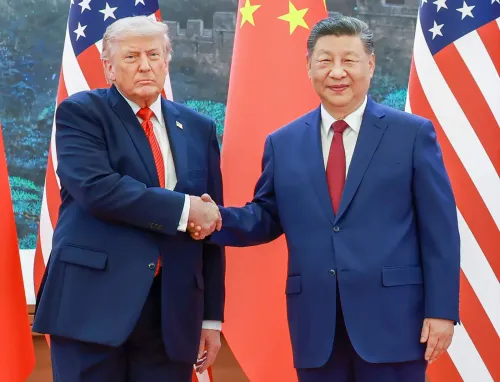
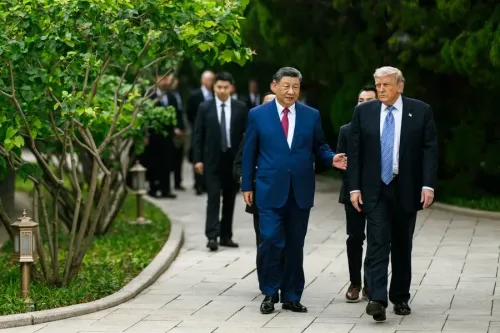
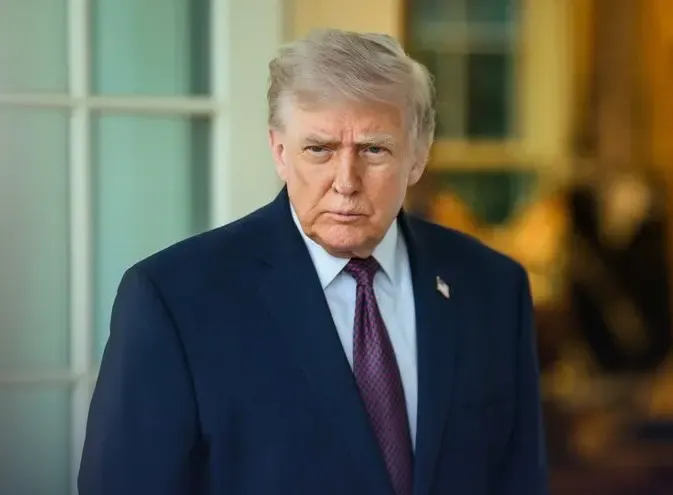
The US Commission on International Religious Freedom (USCIRF) has formally urged President Donald Trump to raise the cases of the Panchen Lama and other religious prisoners during his planned summit with Chinese President Xi Jinping, scheduled for 24 September. The appeal, issued on 14 September, calls on Trump to press Beijing to end what the commission describes as systematic religious persecution.
Who Is on the List
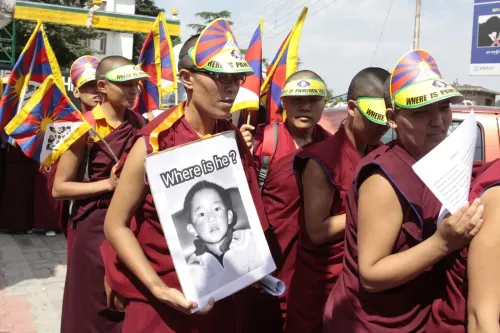
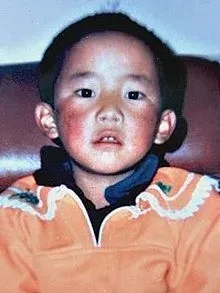
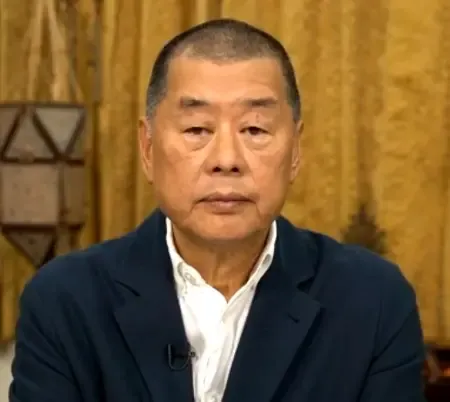
USCIRF's appeal names Gedhun Choekyi Nyima, whom it identifies as the Panchen Lama, along with his family. The commission also highlighted the cases of Gulshan Abbas, Ekpar Asat, Pastor Gao Quanfu and his wife Pang Yu, and Jimmy Lai — all individuals it regards as victims of Chinese religious or political persecution.
Additionally, the commission raised the case of Pastor John Cao, described as a US lawful permanent resident, urging Trump to press Chinese authorities to issue Cao a passport so he could return to his family in the United States and access urgent medical care.
The Precedent: Pastor Jin's Release
USCIRF grounded its renewed appeal in a recent precedent. According to the commission, Chinese authorities freed Pastor Ezra Jin of the Zion Church in July and permitted him to travel to the United States to reunite with his family — a development it attributed to a direct appeal by Trump during a Beijing summit with Xi in May.
USCIRF Vice Chair CeCe Heil said: 'In releasing Pastor Jin, President Xi showed that he has the power to release FoRB prisoners if he so desires — and indeed he has an obligation to do so under international law.' FoRB refers to freedom of religion or belief.
However, the commission noted that eight Zion Church leaders arrested alongside Jin — identified as Wang Lin, Yin Huibin, Wang Cong, Lin Shucheng, Liu Zhenbin, Gao Yingjia, Elder Wang Zhong, and Wu Qiuyu — remain in detention.
Broader Crackdown on House Churches
USCIRF linked the arrests to a crackdown on Christian house churches launched by the Chinese Communist Party (CCP) in 2025. Police reportedly arrested Jin and dozens of others during that campaign. The commission argues that Beijing's partial response — freeing Jin while detaining the others — reflects selective compliance rather than a genuine policy shift.
The Commission's Call to Action
USCIRF Chair Asif Mahmood urged Trump to repeat his earlier intervention, framing it as a matter of consistent American foreign policy: 'Speaking up again sends a clear and consistent signal that religious freedom for all is a priority for the United States and that it expects the CCP to respect its population rather than persecute millions for practicing their faith.'
This comes amid ongoing scrutiny of US-China relations ahead of the 24 September summit, with religious freedom advocates watching closely to see whether Trump will make prisoner releases a formal agenda item. The outcome could set a precedent for how Washington handles faith-based persecution in future high-level bilateral talks.
Point of View
But it also revealed that such releases are transactional rather than structural. USCIRF is right to capitalise on that moment, but the commission's list — spanning Uyghur families, Tibetan religious leadership, and a Hong Kong media owner — is so broad that without prioritisation, it risks dilution at the negotiating table. The Panchen Lama's case is uniquely loaded: Gedhun Choekyi Nyima was detained as a child and has not been seen publicly since 1995, making his case less a prisoner-of-conscience matter and more a question of whether he is still alive. Trump's willingness to press Xi will reveal how much religious freedom functions as genuine US foreign policy versus rhetorical leverage in a wider trade and security negotiation.
NationPress
15 Sept 2026
Frequently Asked Questions
Who is the Panchen Lama and why is he detained?
The Panchen Lama, identified by USCIRF as Gedhun Choekyi Nyima , was recognised by the Dalai Lama as the second most important figure in Tibetan Buddhism. He was detained by Chinese authorities as a child in 1995 and has not been seen publicly since. Beijing has never officially confirmed his whereabouts or condition.
What is the Trump-Xi summit and when is it scheduled?
According to USCIRF, a summit between President Donald Trump and Chinese President Xi Jinping is planned for 24 September 2026 . The commission has urged Trump to use the meeting to press for the release of religious prisoners held in China.
Why does USCIRF believe Trump's appeal can work?
USCIRF points to the release of Pastor Ezra Jin in July 2026 as direct evidence that Beijing responds to personal presidential pressure. The commission says Jin's release followed Trump's direct appeal to Xi at a May 2026 summit in Beijing, establishing a precedent for bilateral humanitarian diplomacy.
Who else is named in USCIRF's prisoner list?
Besides the Panchen Lama and his family, the list includes Gulshan Abbas , Ekpar Asat , Pastor Gao Quanfu and his wife Pang Yu , Jimmy Lai , and Pastor John Cao — a US lawful permanent resident. Eight additional Zion Church leaders also remain detained.
What is USCIRF and how much authority does it have?
The US Commission on International Religious Freedom (USCIRF) is an independent, bipartisan federal body that monitors and reports on religious freedom violations globally. It can make recommendations to the President and Congress but does not set formal US foreign policy; its influence depends on whether the executive acts on its appeals.