Trump says US-Iran peace deal near finalisation, Hormuz to open
Synopsis
Trump's Truth Social post claiming a US-Iran peace deal is 'largely negotiated' — with the Strait of Hormuz set to open — is the most expansive diplomatic claim of his current term on Iran. The inclusion of Pakistan's Army Chief in the call adds a South Asia dimension that complicates the picture significantly for India.
Key Takeaways
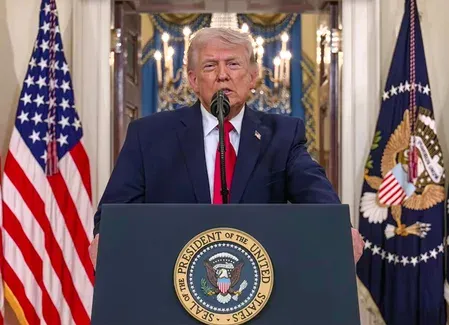
Donald Trump declared on 24 May that a US-Iran peace deal has been 'largely negotiated', with final details being discussed.
Trump posted the announcement on Truth Social from the Oval Office , listing leaders from Saudi Arabia , UAE , Qatar , Turkey , Egypt , Jordan , Bahrain , and Pakistan as participants in the call.
Trump said the Strait of Hormuz will be 'opened' as part of the agreement — a major signal for global oil markets.
Pakistan's Army Chief Field Marshal Syed Asim Munir was notably included in the multi-nation call.
Trump separately spoke with Israeli PM Benjamin Netanyahu , describing that call as going 'very well'.
Neither the White House nor Iran has released further details or confirmed the deal's specific terms.
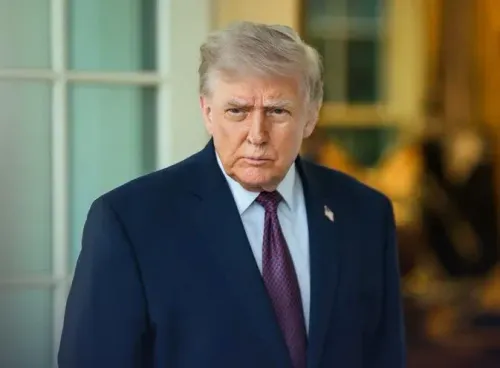
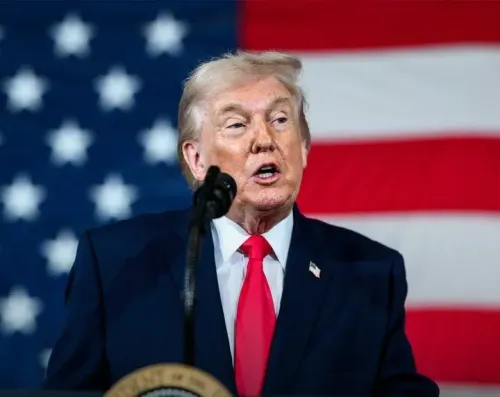
US President Donald Trump on 24 May declared that Washington and Tehran are close to sealing a broad peace agreement, saying the deal has been 'largely negotiated' and that final details are being worked out. The announcement, made via a post on Truth Social, followed a sweeping multi-nation call that included leaders from the Gulf, Turkey, Egypt, Jordan, Bahrain, and notably Pakistan's Army Chief Field Marshal Syed Asim Munir Ahmed Shah.
What Trump Said
Writing from the Oval Office, Trump listed the participants in the call: Saudi Arabia's Crown Prince Mohammed bin Salman Al Saud, UAE's Mohammed bin Zayed Al Nahyan, Qatar's Emir Tamim bin Hamad bin Khalifa Al Thani, Prime Minister Mohammed bin Abdulrahman bin Jassim bin Jaber Al Thani, Qatari Minister Ali al-Thawadi, Turkey's President Recep Tayyip Erdogan, Egypt's President Abdel Fattah El-Sisi, Jordan's King Abdullah II, and Bahrain's King Hamad bin Isa Al Khalifa. The call, he said, concerned 'the Islamic Republic of Iran, and all things related to a Memorandum of Understanding pertaining to PEACE.'
'An Agreement has been largely negotiated, subject to finalisation between the United States of America, the Islamic Republic of Iran, and the various other Countries, as listed,' Trump wrote. He added that 'Final aspects and details of the Deal are currently being discussed, and will be announced shortly.'
The Strait of Hormuz Dimension
Among the most consequential elements Trump referenced was the Strait of Hormuz — the narrow waterway through which a significant share of global oil shipments transit. 'In addition to many other elements of the Agreement, the Strait of Hormuz will be opened,' Trump wrote. This single line carries enormous implications for global energy markets, as the strait has historically been a flashpoint in US-Iran tensions.
Trump also noted that he separately spoke with Israeli Prime Minister Benjamin Netanyahu, describing the call as having 'likewise, went very well.'
What Remains Unclear
Trump did not disclose the specific terms of the proposed Memorandum of Understanding, nor did he detail the role each participating country would play. The White House did not immediately release further information. Iran has not yet issued an official public response, and independent confirmation of the deal's scope remains unavailable at the time of writing.
This marks one of the most expansive diplomatic claims Trump has made regarding Iran and regional security since returning to office.
Why India Is Watching Closely
The development carries direct relevance for India, which depends heavily on crude oil imports from the Gulf region and has long tracked instability around the Strait of Hormuz with concern. Any sustained reduction in US-Iran tensions could ease fears over energy price volatility, shipping disruptions, and supply chain risks — providing some relief to India's import-dependent economy. Notably, Pakistan's Army Chief was included in the call, a detail that will not go unnoticed in New Delhi given the current state of India-Pakistan relations.
Point of View
Or White House detail, demands caution. The Strait of Hormuz line is the real headline: if credible, it would reshape Gulf energy geopolitics overnight. The inclusion of Pakistan's Army Chief in what is framed as an Iran-focused call is an unexplained anomaly that mainstream coverage has largely glossed over. For India, the dual signal — potential energy relief on one hand, Pakistan's growing diplomatic proximity to a US-brokered regional framework on the other — is the story within the story.
NationPress
22 Sept 2026
Frequently Asked Questions
What is the US-Iran peace deal Trump announced?
Trump announced on 24 May that a broad peace agreement between the United States, Iran, and several regional countries has been 'largely negotiated', with only final details remaining. The deal reportedly includes a Memorandum of Understanding on peace and the opening of the Strait of Hormuz, though specific terms have not been disclosed.
Which countries were part of the multi-nation call Trump described?
The call included leaders from Saudi Arabia, the UAE, Qatar, Turkey, Egypt, Jordan, Bahrain, and Pakistan's Army Chief Field Marshal Syed Asim Munir. Trump also noted a separate call with Israeli Prime Minister Benjamin Netanyahu.
What is the significance of the Strait of Hormuz in this deal?
The Strait of Hormuz is a critical global oil transit chokepoint. Trump's claim that it will be 'opened' as part of the agreement suggests a potential resolution of longstanding Iranian threats to restrict shipping through the waterway, which would have major implications for global energy prices and supply chains.
Why does this matter for India?
India is heavily dependent on crude oil imports from the Gulf region and has long been concerned about instability around the Strait of Hormuz. A reduction in US-Iran tensions could ease energy price pressures and reduce shipping risk for Indian imports.
Has Iran confirmed the deal?
Iran had not issued an official public confirmation at the time of reporting. The White House also did not immediately release further details beyond Trump's Truth Social post, leaving the deal's scope and terms unverified by independent sources.