Trump: US 'locked and loaded' on Iran, diplomacy still preferred
Synopsis
Trump's 'locked and loaded' declaration is not a departure from his Iran strategy — it is the strategy. By running military pressure and diplomatic outreach simultaneously, Washington is betting that degraded Iranian capabilities and economic pain will eventually force a deal. The open question is whether Tehran's new seriousness at the table translates into an agreement, or whether the dual track collapses into a wider conflict.
Key Takeaways
President Trump declared the US 'locked and loaded' for military action against Iran on 25 July , while confirming active diplomatic talks.
Trump said Iran had become 'by far the most serious' it has ever been in negotiations, but cautioned a deal was not guaranteed.
Vice President JD Vance and Secretary of State Marco Rubio are leading US engagement with Iranian interlocutors.
Trump claimed US strikes had eliminated multiple tiers of Iranian leadership and destroyed key defence infrastructure, including through B-2 bomber operations.
Both President Xi and President Putin , according to Trump, have said they will not intervene on Iran's behalf.
The administration's core demand remains unchanged: Iran cannot acquire a nuclear weapon .
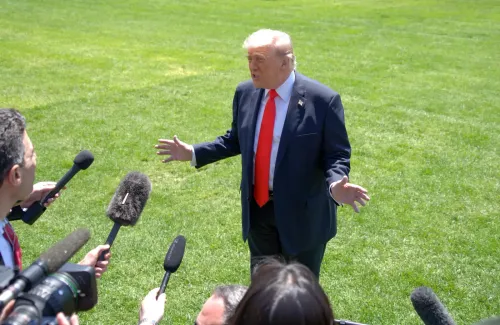
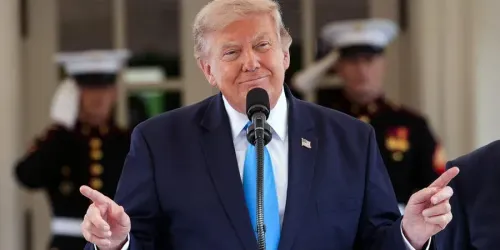
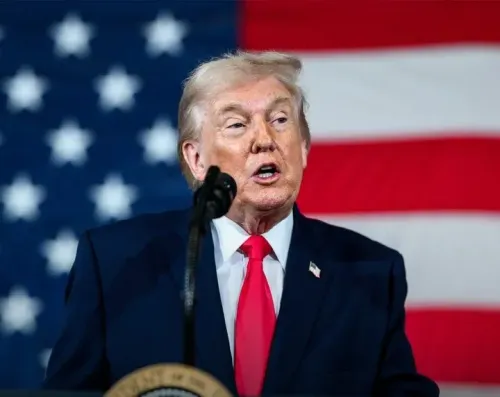
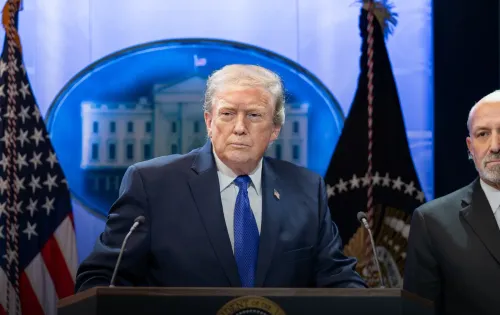
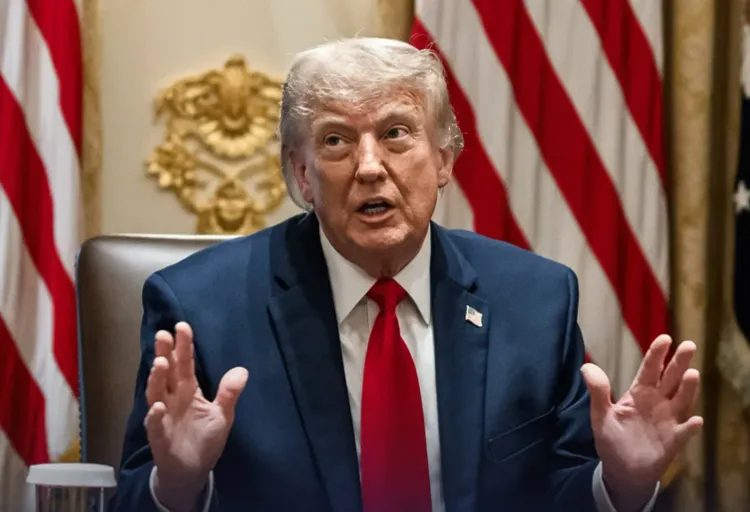
US President Donald Trump on 25 July declared that the United States remained 'locked and loaded' for potential military action against Iran, while simultaneously signalling that diplomatic negotiations were ongoing and remained his preferred path — provided Tehran abandoned its nuclear ambitions.
Speaking at a White House event focused on civilian nuclear energy, Trump described a dual-track approach: sustained military pressure combined with active back-channel engagement with Iranian interlocutors.
Trump's Direct Warning to Tehran
'We're locked and loaded and ready to go, but we're talking to them so I think while we're talking, we'll see what comes of it,' Trump said when asked whether he had ordered broader military strikes against Iran.
The President outlined two distinct scenarios. 'There's a military exit where we just keep going just the way we are, and we can even make it a heavier dose,' he said. 'Or there's a smarter strategy that you make a deal and they want to make a deal. I just don't think they're ready yet.'
On the core red line, Trump was unequivocal: 'They cannot have a nuclear weapon. Very, very simple actually.' He added that any Iranian move toward acquiring one would trigger a sharply escalated US response.
Who Is Conducting the Talks
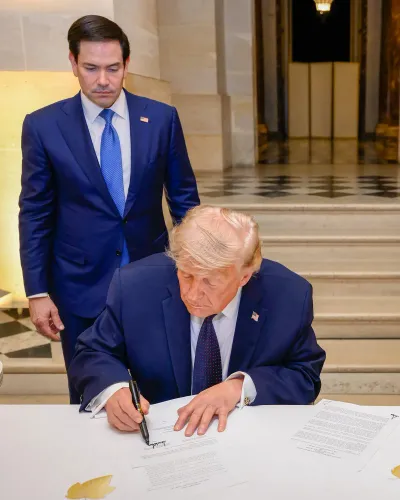
Trump confirmed that senior administration officials are engaged in negotiations with Iranian counterparts. Vice President JD Vance, Secretary of State Marco Rubio, and other senior figures are involved in the talks, according to Trump. 'JD and Marco and a lot of people are talking to a lot of people,' he said.
Trump assessed Iran's posture as notably more serious than in prior rounds of diplomacy. 'I think they are being by far the most serious that we've seen them, but that doesn't mean we get there. We'll see what happens,' he cautioned.
Claims on Iran's Military Degradation
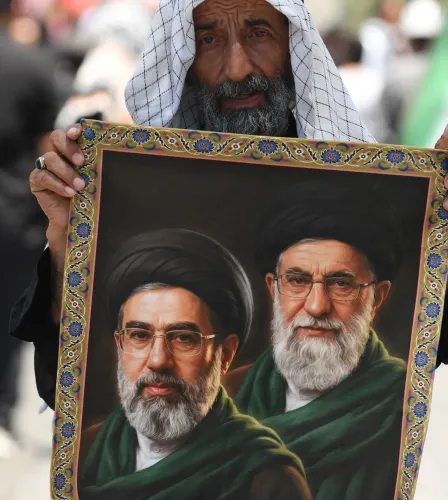
Trump claimed that US military operations had significantly weakened Iran's defence infrastructure. 'We've taken out their first level of leadership. We've then taken out their second level of leadership. We've taken out some of the third level, and we're negotiating with the rest,' he said.
He further asserted that Iran's conventional military capacity had been severely diminished. 'They have no Navy, no air force, no anti-aircraft, no radar, no nothing,' Trump claimed, though these assertions could not be independently verified.
Trump also defended earlier strikes involving B-2 bombers, arguing they had destroyed critical Iranian facilities and prevented Tehran from obtaining a nuclear weapon.
Russia, China, and Regional Stakes
Asked whether Russia and China were providing support to Iran, Trump said both had so far held back from significant involvement. 'President Xi said he will not partake and President Putin said the same thing. I trust them,' he said, while acknowledging Iran's longstanding ties with both nations and noting that their non-involvement had so far been the case.
Broader Context and What Comes Next
The Trump administration has consistently maintained that preventing Iran from acquiring a nuclear weapon is a central US national security objective. Washington has cycled through economic pressure, military deterrence, and diplomatic outreach across successive administrations. Iran, for its part, has maintained that its nuclear programme is intended for peaceful purposes — a position that the United States and several Western allies have long disputed.
This comes amid an escalating pattern of US military engagement in the region, with the dual-track posture — talks and threats running in parallel — likely to define the next phase of the Iran standoff. Whether diplomacy produces a breakthrough or gives way to further military action remains the defining question in the weeks ahead.
Point of View
But the stakes here are unusually high. The claim that Iran has been stripped of its navy, air force, and air defences is sweeping and unverified; if overstated, it risks miscalculation on both sides. Notably, Trump's framing places the burden of a deal entirely on Tehran, while offering no public detail on what the US would concede in return. A negotiation with only one side's terms on the table is rarely a negotiation — it is an ultimatum with a deadline that keeps moving.
NationPress
23 Oct 2026
Frequently Asked Questions
What did Trump mean by 'locked and loaded' on Iran?
Trump used the phrase to signal that US military forces are prepared for potential strikes against Iran. He made the statement on 25 July at a White House event, while clarifying that diplomatic talks were ongoing and remained his preferred option if Iran abandoned its nuclear programme.
Are the US and Iran currently in negotiations?
Yes, according to Trump. He confirmed that Vice President JD Vance, Secretary of State Marco Rubio, and other senior officials are engaged in talks with Iranian counterparts. Trump described Iran as being more serious about reaching an agreement than at any previous point.
What is the US core demand from Iran?
The Trump administration's stated non-negotiable is that Iran must not acquire a nuclear weapon. Trump said any Iranian move toward obtaining one would trigger a significantly escalated US military response.
Have Russia and China been helping Iran?
Trump said both President Xi Jinping and President Vladimir Putin had told him they would not intervene on Iran's behalf, and he said he trusted those assurances. He acknowledged Iran's longstanding ties with both countries but said their involvement had not been significant so far.
What military actions has the US already taken against Iran?
Trump claimed that US operations had eliminated multiple tiers of Iranian leadership and destroyed critical facilities using B-2 bombers. He also asserted that Iran's conventional military — including its navy, air force, and air defence systems — had been severely degraded, though these claims were not independently verified.