Trump's Maritime EO Spurs Shipbuilding Boom, Says White House
Synopsis
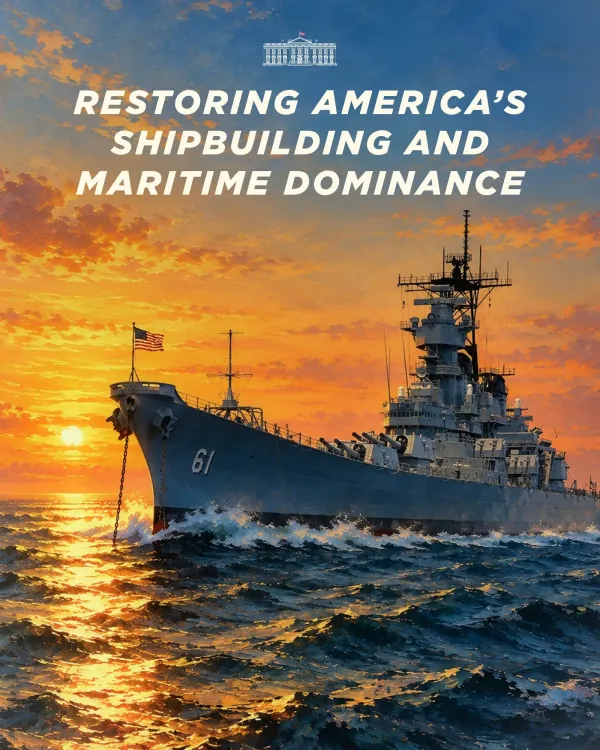
The White House says President Trump's 'Restoring America's Maritime Dominance' executive order is delivering results — faster ship construction, billions in investment, and a simultaneous resurgence in both commercial and military shipbuilding, framing the push as vital to US economic and national-security interests.
Key Takeaways
The Trump administration claims its 'Restoring America's Maritime Dominance' executive order has directly accelerated US shipbuilding activity.
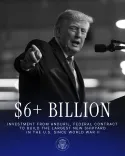
Billions of dollars in new investment have reportedly entered the sector since the EO was signed.
Both commercial and military shipbuilding are cited as beneficiaries of the policy shift.
The White House links shipbuilding revival to national security as well as economic prosperity .
The policy carries implications for Indo-Pacific partners including India , given shared maritime-security interests.
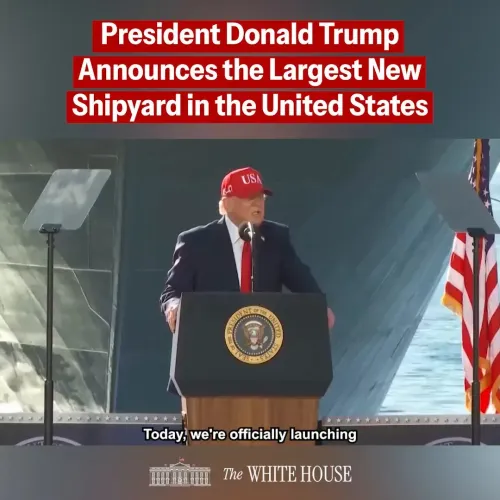
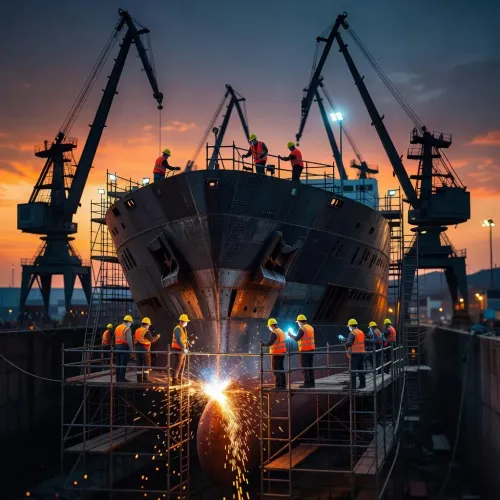
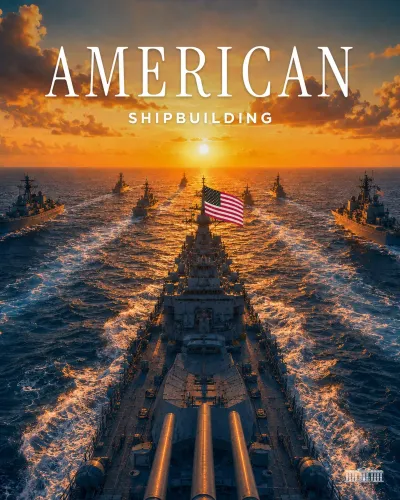
American steel is hitting the water again. The White House declared on Wednesday, October 7, 2026, that the Trump administration is delivering a concrete revival of US shipbuilding — faster construction timelines, billions in fresh investment, and a simultaneous surge in both commercial and military vessel production.
The Executive Order That Restarted the Yards
The catalyst is President Donald Trump's executive order titled 'Restoring America's Maritime Dominance' — a directive that placed shipbuilding at the intersection of economic strategy and national security. The White House states that since the EO was signed, ships are being built faster and billions of dollars in investment have followed. The administration frames this not merely as an industrial policy win, but as a strategic reset for a sector that had been hollowing out for decades.
Why Commercial and Military Shipbuilding Both Matter
The dual emphasis — commercial and military — is the policy's sharpest edge. A healthy commercial shipbuilding base provides the industrial workforce, the drydock capacity, and the supply chains that military shipbuilding cannot sustain alone. For the US Navy, which has faced persistent delays in destroyer and submarine production, that industrial depth is not optional. It is the difference between deterrence and aspiration.
The White House's framing connects the shipyard floor directly to geopolitical competition — a recognisable posture in an era when China launches more tonnage in a single year than the US has in a decade. Reviving domestic capacity is simultaneously a jobs argument, a supply-chain security argument, and a hard-power argument.
What the Investment Signal Means for Allies and Rivals
For India, watching closely from a region where maritime trade routes and naval posture are daily concerns, the US pivot carries real weight. A stronger American shipbuilding base reinforces the industrial foundation behind Indo-Pacific partnerships, from QUAD logistics cooperation to potential co-production frameworks. It signals that Washington intends its naval commitments to be backed by steel in the water, not just diplomatic communiqués.
The administration's declaration that 'economic prosperity and national security' are being strengthened together is a deliberate dual message — one aimed at domestic swing-state shipyard workers, and another aimed squarely at rivals calculating US staying power in contested waters.
If the yards can sustain the pace the White House is claiming, the next question is not whether America builds more ships — it is whether it builds them fast enough to matter.
Point of View
A visible manufacturing revival is politically potent. The dual commercial-military framing also signals a deliberate counter-narrative to China's shipbuilding dominance, suggesting the EO is as much about geopolitical signalling as it is about drydock productivity. Whether the investment figures translate into actual delivery schedules — historically the American shipbuilding sector's weakest link — will determine whether this remains a headline or becomes a genuine inflection point.
NationPress
7 Oct 2026
Frequently Asked Questions
What is Trump's 'Restoring America's Maritime Dominance' executive order?
It is an executive order signed by President Donald Trump directing the US government to revitalise domestic shipbuilding across both commercial and military sectors, with the stated goals of boosting economic prosperity and strengthening national security.
What has happened to US shipbuilding since the EO was signed?
According to the White House , ships are being built faster, billions of dollars in new investment have been committed, and activity in both commercial and military shipbuilding has increased.
Why does US shipbuilding matter for national security?
A robust domestic shipbuilding base supports US Navy production capacity, supply-chain resilience, and skilled-workforce depth — all of which underpin America's ability to project naval power and honour commitments to allies in contested regions like the Indo-Pacific .
How does the US shipbuilding revival affect India?
A stronger American shipbuilding industry reinforces the industrial foundation behind Indo-Pacific security partnerships, including QUAD cooperation, potentially deepening US-India naval collaboration and supply-chain coordination.
What was the state of US shipbuilding before the executive order?
The US commercial shipbuilding sector had been in long-term decline, with China and South Korea dominating global output. Military shipbuilding also faced persistent delays in key programmes, creating concern about the US Navy's long-term readiness.