US Birth Tourism Elimination Act: Senator Tim Scott moves to bar visa-based citizenship runs

Synopsis
Republican Senator Tim Scott has introduced a bill that would make foreign nationals inadmissible to the US if immigration officials determine their primary travel purpose is to give birth and secure American citizenship — effectively codifying a 2020 State Department rule into federal law and extending it to visa-waiver programmes. Indian travellers on B-2 visas could be directly affected.
Key Takeaways
Senator Tim Scott of South Carolina introduced the Birth Tourism Elimination Act on 26 September 2026 .
The bill would make foreign nationals inadmissible if their primary purpose for visiting the US is to give birth and obtain citizenship for their child.
Restrictions would extend to the Visa Waiver Program and waiver programmes for Guam and the Northern Mariana Islands .
Travellers from India and other countries using B-2 tourist visas could be affected, though the bill targets intent, not nationality.
Criminal penalties would increase for those who organise or profit from birth tourism; one California company allegedly charged up to $80,000 per client and received $3 million from China .
The bill codifies a 2020 State Department rule and adds new reporting requirements for DHS and the State Department .
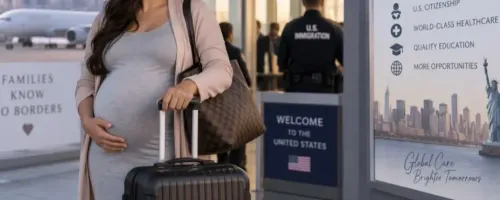
Republican Senator Tim Scott of South Carolina has introduced the Birth Tourism Elimination Act, legislation that would bar foreign nationals from using US tourist visas and visa-waiver programmes primarily to give birth on American soil and secure US citizenship for their children. The bill, tabled on 26 September 2026, targets the stated purpose of travel rather than any specific nationality — but could directly affect travellers from India and other countries who enter on B-2 tourist visas.
What the Bill Proposes
Under the proposed law, a foreign national would be deemed inadmissible if immigration officials determine that the primary purpose of their US visit is to give birth and obtain citizenship for the child. It would empower consular officers and US Customs and Border Protection (CBP) officers to deny a visa or entry when they have a reasonable basis to believe birth tourism is the main intent of travel.
The bill extends its reach beyond standard tourist visas to cover the Visa Waiver Program and the separate waiver programme for Guam and the Northern Mariana Islands. Travellers suspected of birth tourism would also be subject to secondary inspection at US ports of entry, and those found inadmissible could face expedited removal.
What Scott Said
Senator Scott did not mince words in defence of the measure. 'American citizenship is not for sale, and foreign nationals have no right to buy citizenship for their children,' he said. He added that 'the birth tourism industry has disrespected what it means to be an American by selling and profiting from the freedoms and values that men and women across our country died for.'
Scott argued the legislation would make explicit that temporary travel programmes cannot be exploited to obtain American citizenship — codifying into federal statute a State Department rule adopted in 2020 that already allows officials to deny B visas when birth tourism is suspected as the primary purpose.
Exceptions and Safeguards
The bill carves out several protections. It would not bar legitimate medical travel for childbirth-related treatment where obtaining citizenship is not the primary goal. An exception also applies when the unborn child's biological parent is a US citizen, lawful permanent resident, refugee, or asylee. Women already lawfully in the United States for work, education, or another valid purpose would not be penalised merely for becoming pregnant or giving birth during their authorised stay.
Applicants seeking medical visas under the new framework would need to demonstrate that a US doctor or facility had agreed to provide treatment, provide an estimate of the duration and cost of the visit, and show the ability and intention to cover medical, travel, and living expenses.
Criminal Penalties and Past Prosecutions
The legislation would significantly increase criminal penalties for individuals or entities that knowingly organise, advertise, facilitate, or profit from birth tourism. Scott's office cited federal prosecutions involving commercial operations that served Chinese nationals. One California-based company allegedly assisted more than 500 customers, operated 20 apartments, and charged between $40,000 and $80,000 per client, receiving $3 million in wire transfers from China over two years.
This comes amid broader Republican efforts to tighten immigration enforcement and revisit birthright citizenship — a right enshrined in the 14th Amendment that has faced renewed legal and legislative scrutiny in recent years.
Reporting and Oversight
If enacted, the bill would require the Department of Homeland Security (DHS) and the State Department to submit regular reports to Congress covering visa refusals, entry denials, ongoing investigations, prosecutions, and removals connected to birth tourism. The oversight mechanism is designed to give lawmakers a clearer picture of the scale of the practice and the effectiveness of enforcement.
The bill's passage through Congress remains uncertain, but its introduction signals continued legislative pressure on immigration policies linked to birthright citizenship — a debate that shows no sign of cooling.
Point of View
Signalling that enforcement, not just rhetoric, is the new direction. The bill's reliance on 'primary purpose' as the standard places enormous discretionary power in the hands of CBP and consular officers, raising due-process concerns that civil liberties groups are likely to contest. For Indian travellers specifically, the ambiguity is real: a pregnant woman on a B-2 visa could face secondary inspection with limited recourse regardless of her actual intent. Whether Congress advances this bill or not, the pressure it creates will reshape how consular officers handle applications — a de facto policy shift before any vote is cast.
NationPress
26 Sept 2026
Frequently Asked Questions
What is the Birth Tourism Elimination Act introduced by Senator Tim Scott?
It is a US Senate bill introduced by Republican Senator Tim Scott of South Carolina that would bar foreign nationals from entering the United States on tourist visas or visa-waiver programmes if immigration officials determine their primary purpose is to give birth and obtain American citizenship for their child. The bill also increases criminal penalties for individuals and companies that organise or profit from birth tourism.
How could the bill affect Indian travellers on B-2 visas?
Indian nationals and travellers from other countries who apply for or travel on B-2 tourist visas could face visa denial or entry refusal if consular or border protection officers believe birth tourism is their primary intent. The bill targets travel purpose rather than nationality, but pregnant B-2 visa applicants may face heightened scrutiny.
Does the bill take away the right to birthright citizenship?
No — the bill does not amend the 14th Amendment or directly remove birthright citizenship. It instead seeks to prevent foreign nationals from using temporary visa programmes to travel to the US specifically to give birth. Children born on US soil to parents who enter through legitimate channels unrelated to birth tourism would not be affected.
Are there any exceptions under the proposed law?
Yes. The bill exempts legitimate medical travel for childbirth-related treatment when obtaining citizenship is not the primary purpose. It also makes exceptions when the unborn child's biological parent is a US citizen, lawful permanent resident, refugee, or asylee, and it does not penalise women already lawfully in the US who become pregnant during an authorised stay.
What enforcement mechanisms does the bill introduce?
The bill empowers consular officers and US Customs and Border Protection officers to deny visas or entry based on a reasonable belief that birth tourism is the primary travel purpose. It mandates secondary inspections for suspected cases, provides for expedited removal, increases criminal penalties for organisers and facilitators, and requires regular reports to Congress from the Department of Homeland Security and the State Department.