US Confronts Dual Nuclear Challenges from China and Russia: Insights from Trump Official
Synopsis
In a recent congressional hearing, Undersecretary Thomas DiNanno highlighted the formidable nuclear threats posed by China and Russia. As traditional arms control measures falter, the US seeks to modernize its approach to national security amid an evolving geopolitical landscape. Discover the implications of these challenges.
Key Takeaways
The US faces nuclear threats from both China and Russia.
Traditional arms control measures are becoming outdated.
New START treaty expiration raises arms race concerns.
The US is seeking modernized and enforceable arms control agreements.
Coordination across international security functions is essential for national security.
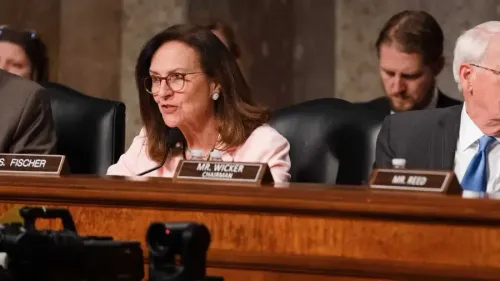
Washington, March 26 (NationPress) The United States is currently facing two nuclear rival powers—China and Russia—amidst a swiftly evolving global security environment, according to Undersecretary for Arms Control and International Security Thomas DiNanno, who addressed lawmakers during a crucial congressional session.
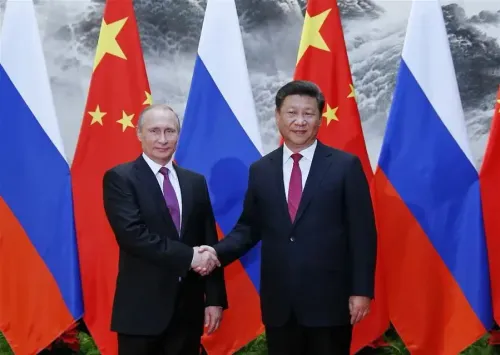
DiNanno remarked that the shifting threat landscape signifies a momentous transition, with Washington grappling with concurrent nuclear threats from both Beijing and Moscow, compounded by increasing dangers from smaller nuclear nations.
He stressed that conventional arms control agreements are inadequate to cope with the scale and intricacy of today's geopolitical and technological challenges.
“As a nominee… I pledged to pursue verifiable and enforceable arms control treaties that bolster America's national security,” DiNanno stated, adding that his office is dedicated to modernising outdated systems.
The undersecretary claimed that existing treaties have not kept pace with contemporary realities, particularly the augmentation of nuclear capacities by US adversaries.
“New START… primarily restricted the United States while permitting Russia to expand and sustain a significant theatre-range nuclear stockpile,” he defended, justifying the administration's choice to move past the expired agreement.
DiNanno mentioned that the administration is now pursuing updated frameworks that align with President Donald Trump’s vision for new, enforceable agreements adaptable to emerging threats.
“The President… called for a new treaty,” he noted, indicating that future agreements must consider technological advancements and broader strategic competition.
Detailing the responsibilities of his office, DiNanno explained that the State Department's expanded “T family” integrates essential security functions, including arms control, nonproliferation, counterterrorism, and political-military affairs, into a cohesive structure.
“The reorganisation has streamlined the department’s international security roles,” he mentioned, adding that the new framework enhances coordination across export controls, sanctions enforcement, and treaty verification.
He pointed out that his team manages a diverse portfolio, from preventing the spread of weapons of mass destruction to overseeing arms sales and coordinating international security collaborations.
“Our team is engaged in vital national security issues… from halting the spread of weapons of mass destruction to countering terrorism,” DiNanno stated.
“At the State Department, our objective is diplomacy… maintaining those alliances,” he remarked, emphasising the significance of information sharing to combat next-generation threats.
The comments arrive at a time when global arms control agreements are increasingly under pressure. The expiration of the New START treaty has lifted critical restrictions on US and Russian strategic arsenals, raising alarms about a potential resurgence in the arms race.
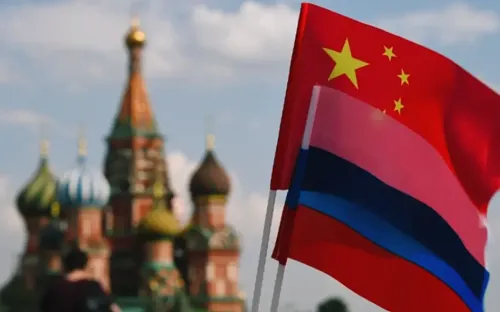
Concurrently, China’s growing nuclear programme—outside any binding arms reduction agreement—has further complicated efforts to forge new multilateral arrangements, indicating a shift toward a more fragmented and unpredictable global nuclear landscape.
Point of View
The current state of US nuclear policy reflects a significant shift in global security dynamics. As the US faces simultaneous threats from two major nuclear powers, the necessity for updated and effective arms control agreements becomes increasingly evident. This situation underscores the importance of national security and diplomatic engagement in maintaining global stability.
NationPress
26 Sept 2026
Frequently Asked Questions
What are the main nuclear threats facing the US?
The main nuclear threats come from China and Russia, as highlighted by Undersecretary Thomas DiNanno during a congressional hearing.
How are traditional arms control agreements failing?
Traditional arms control frameworks are no longer adequate to handle the complexities of modern geopolitical threats and technological advancements.
What is the New START treaty?
The New START treaty was a nuclear arms reduction agreement between the US and Russia, which has now expired, raising concerns about a new arms race.
What is the US doing to address these threats?
The US is pursuing updated arms control frameworks that are in line with current security needs and technological advancements.
What role does the State Department play in national security?
The State Department integrates key security functions, including arms control and counterterrorism, to enhance coordination and effectiveness in national security matters.