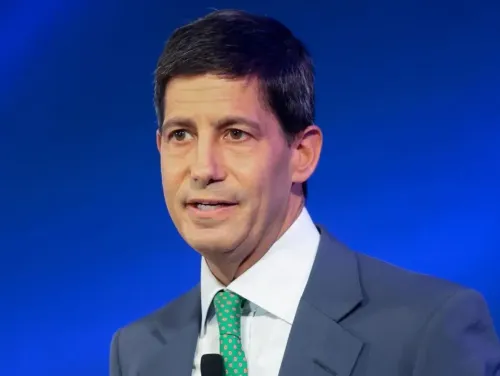
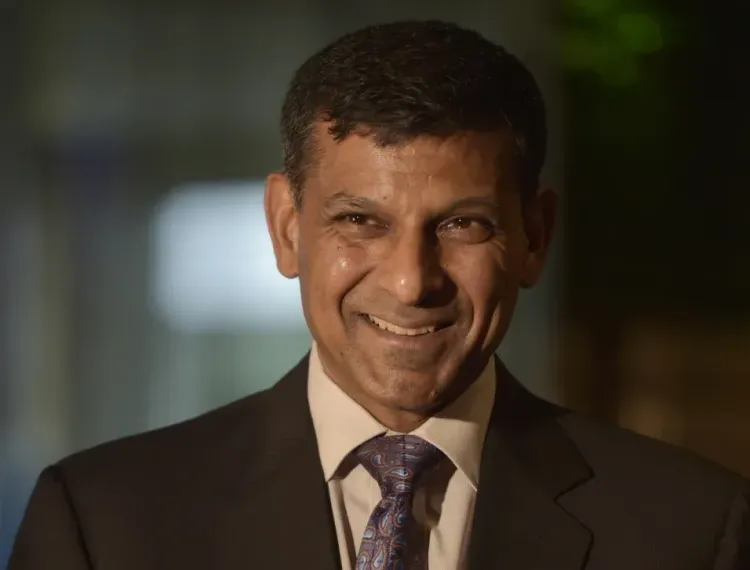
Raghuram Rajan joins US Fed reform panel to review $9 trillion balance sheet
Synopsis
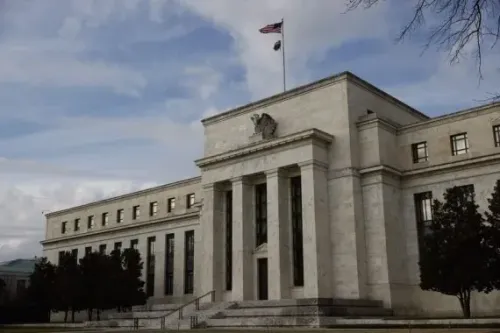
Raghuram Rajan — the former RBI Governor who predicted the 2008 financial crisis — has been tapped by US Fed Chairman Kevin Warsh to sit on the central bank's balance sheet task force. With the Fed wrestling with a nearly $9 trillion balance sheet and a credibility deficit after years of above-target inflation, Rajan's appointment signals a rare willingness to invite genuinely dissenting voices into the room.
Key Takeaways
Raghuram Rajan , former RBI Governor (2013–2016) , has been appointed to the US Federal Reserve's balance sheet task force by Chairman Kevin Warsh .
Warsh established five independent advisory task forces , drawn from 15 economists and experts with differing views.
The task forces will examine communications, balance sheet policy, economic data use, productivity and jobs, and the inflation framework .
Preliminary findings are expected by September ; final recommendations are due by end of 2025 .
The Fed's balance sheet expanded to nearly $9 trillion during the pandemic era and remains a central challenge for policymakers.
Senate Banking Committee Chairman Tim Scott praised the inclusion of competing intellectual approaches on the panel.
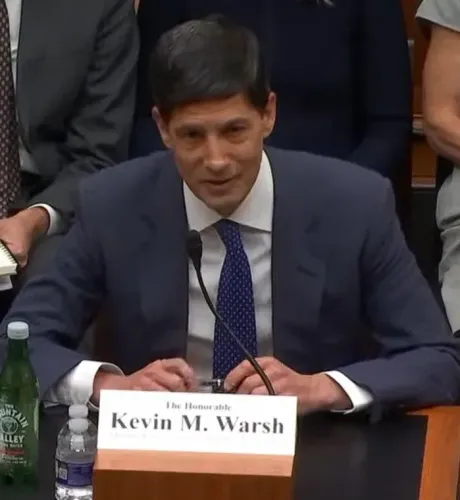
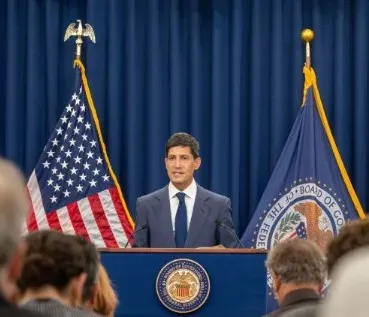
Former Reserve Bank of India (RBI) Governor Raghuram Rajan has been appointed to a key task force advising US Federal Reserve Chairman Kevin Warsh on the central bank's balance sheet policy, as part of a sweeping reform programme aimed at overhauling monetary policymaking in the aftermath of years of above-target inflation. The development was confirmed during Warsh's first semiannual monetary policy hearing before Congress on Wednesday, 16 July.
Senate Banking Committee Welcomes the Appointment
Senate Banking Committee Chairman Tim Scott, a Republican, singled out Rajan's inclusion as a signal that the new Fed chief was actively encouraging competing intellectual frameworks rather than defaulting to institutional consensus. Scott also noted the presence of economist Jeremy Stein on the same task force.
'It seems like you have Jeremy Stein... as well as the former governor of the Indian Central Bank, Mr Rajan. They have very nicely put competing approaches and philosophies about the balance sheet, but if you're going to be intellectually honest, you need to have a serious debate about what direction to go and, frankly, how to get there,' Scott said.
What the Five Task Forces Will Examine
Warsh said he had established five independent task forces, drawn from 15 people he described as trusted voices with a diversity of views. The groups are tasked with reviewing five core areas: communications, balance sheet policy, economic data use, productivity and jobs, and the inflation framework.
'It's a move towards transparency and new ideas,' Warsh told senators. 'Our purpose here is to make better decisions in the conduct of monetary policy and put these years of high inflation behind us.'
The task forces are advisory in nature; final policy decisions will remain with the Federal Open Market Committee (FOMC). Preliminary findings are expected as early as September, with final recommendations due by the end of 2025.
The Balance Sheet Challenge
The balance sheet review is widely regarded as the most consequential of the five workstreams. The Fed's balance sheet expanded to nearly $9 trillion during the pandemic era and has since been subject to a gradual reduction effort as the central bank works to bring inflation back toward its long-term target.
Warsh indicated the exercise would not be symbolic. 'My general view is... the balance sheet should be as small as practicable to conduct operations,' he said, adding that the Fed should be 'very open-minded to changes' while giving financial markets sufficient time to adjust.
Scott echoed that caution: 'Unwinding a balance sheet, the size that we have today is going to take a deliberate effort that will have to be paced properly, not to create instability and volatility in our markets.'
Who Is Raghuram Rajan
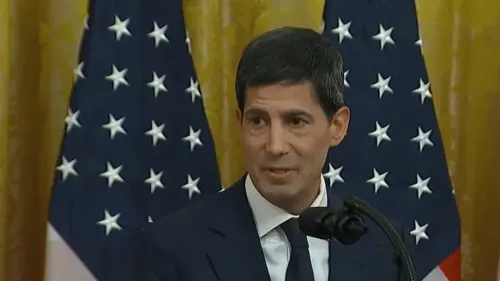
Rajan served as RBI Governor from 2013 to 2016 and is internationally recognised for his work on financial stability and monetary policy. Prior to leading India's central bank, he was Chief Economist and Director of Research at the International Monetary Fund (IMF). He has remained an influential commentator on global macroeconomic issues and is notably one of the few economists credited with warning of systemic financial risks ahead of the 2008 global financial crisis.
His appointment to the Fed's balance sheet task force marks one of the most prominent roles an Indian central banking figure has played in advising the world's most influential monetary authority.
What Comes Next
With the task forces given a six-month window to complete their work, the Fed's reform process is set to unfold through the remainder of 2025. The outcome could influence how the US central bank communicates policy, manages its asset holdings, and frames its inflation mandate — decisions with direct implications for global capital flows, including into emerging markets such as India.
Point of View
The episode is a reminder that Indian macroeconomic expertise carries weight in Washington, even as New Delhi's own monetary policy framework faces questions about independence and transparency.
NationPress
16 Jul 2026
Frequently Asked Questions
Why has Raghuram Rajan been appointed to the US Federal Reserve's task force?
Raghuram Rajan has been appointed to the Fed's balance sheet task force by Chairman Kevin Warsh as part of a broader effort to bring in economists with competing views on monetary policy. Warsh said he reached out to 15 trusted experts with diverse perspectives to inject fresh thinking into the Fed after years of above-target inflation.
What will the US Federal Reserve's balance sheet task force do?
The task force will review the Fed's approach to its balance sheet, which expanded to nearly $9 trillion during the pandemic era. It is one of five advisory groups examining areas including communications, economic data use, productivity and jobs, and the inflation framework, with recommendations due by end of 2025.
Who is Raghuram Rajan and why does his appointment matter?
Raghuram Rajan served as RBI Governor from 2013 to 2016 and was previously Chief Economist at the IMF. He is internationally recognised for his work on financial stability and is one of the few economists credited with warning of systemic risks before the 2008 global financial crisis. His appointment to the Fed panel is one of the most prominent advisory roles an Indian central banking figure has held at the US central bank.
When will the Federal Reserve's reform task forces submit their findings?
Preliminary findings from the five task forces are expected as early as September, with final recommendations due by the end of 2025. The groups are advisory; all final policy decisions remain with the Federal Open Market Committee.
What did Senate Banking Committee Chairman Tim Scott say about the appointment?
Tim Scott welcomed the inclusion of Rajan and economist Jeremy Stein on the balance sheet task force, saying they represented 'competing approaches and philosophies' and that an intellectually honest debate was necessary to determine the right direction for unwinding the Fed's balance sheet without creating market instability.