US-India ties at 'inflection point': lawmakers urge renewed push
Synopsis
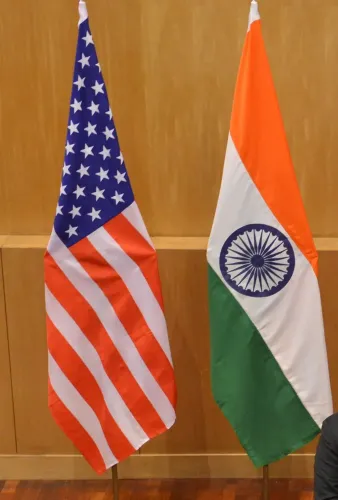
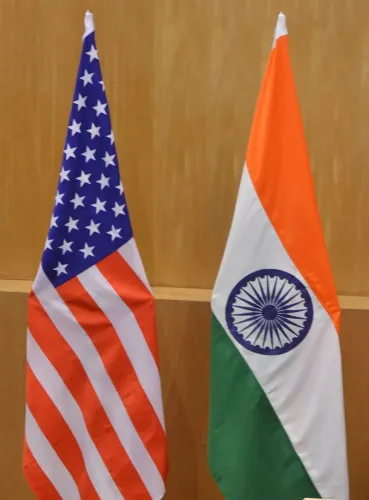
At the Capitol Hill Summit 2026, senior US lawmakers and diplomats described the US-India relationship as being at an 'inflection point' — with the system 'flashing yellow' on visa curbs, tariffs, and anti-Indian sentiment, even as bipartisan voices insisted the long-term strategic foundation remains intact. The gap between the relationship's record growth and its current vulnerabilities is the real story.
Key Takeaways
Senior US lawmakers and diplomats declared the US-India relationship is at an 'inflection point' at the Capitol Hill Summit 2026 in Washington on 19 May 2026 .
Former US Ambassador Richard Verma warned the system is 'flashing a bit yellow', citing declining student visas, rising anti-Indian sentiment, and tariff disputes.
Bilateral trade has grown from near zero to more than $200 billion over the past 25 years , according to Verma.
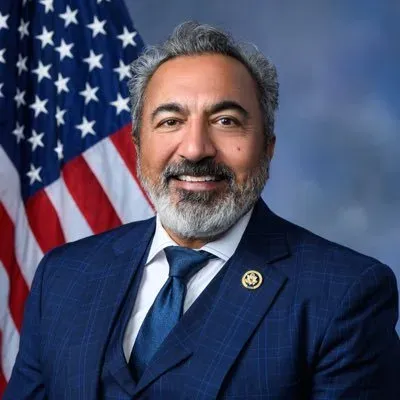
Senator Steve Daines , Congressmen Ro Khanna and Ami Bera , and Congresswoman Deborah Ross all reaffirmed bipartisan support for deeper ties.
India's Ambassador Vinay Mohan Kwatra cited cooperation in semiconductors, AI, defence, and critical minerals as pillars of the partnership.
The US-India civil nuclear deal of 2008 was cited as the landmark that ended India's 34-year nuclear isolation and reset the relationship.
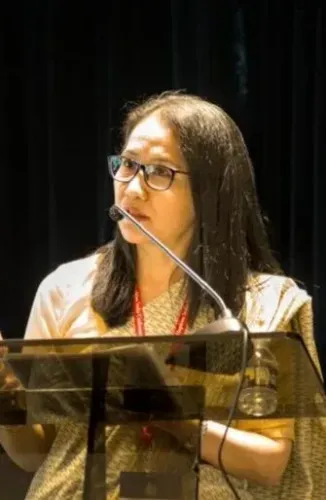
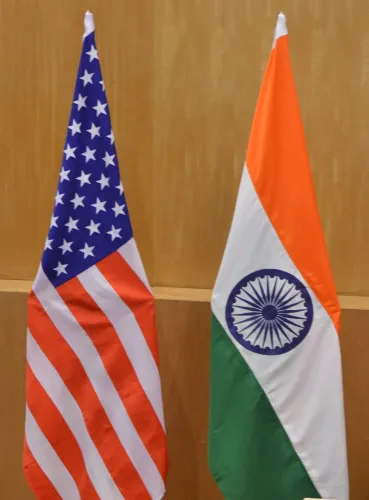
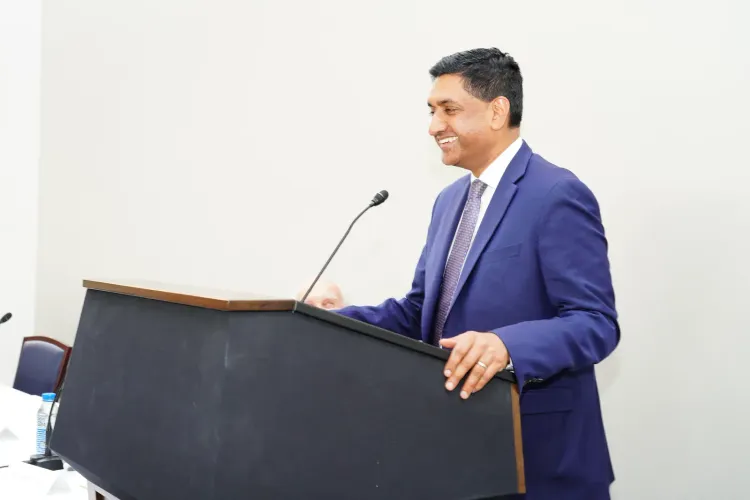
Senior American lawmakers, diplomats, and policy experts cautioned on 19 May 2026 that the US-India relationship had reached an 'inflection point', even as they reaffirmed bipartisan commitment to deeper defence, technology, and economic cooperation between the world's two largest democracies. The warnings and affirmations came at the Capitol Hill Summit 2026, organised by the US-India Friendship Council in Washington.
Key Concerns Raised
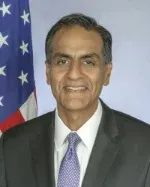
Former US Ambassador to India Richard Verma offered the sharpest assessment of current strains. 'The system is flashing a bit yellow,' he said, pointing to declining student visa approvals, rising anti-Indian sentiment, and ongoing tariff disputes as warning signals. Verma was also quick to contextualise the moment: he noted that no other bilateral relationship had grown as rapidly over the past 25 years, with bilateral trade rising from near zero to more than $200 billion and defence cooperation expanding dramatically in the same period.
Former US Assistant Secretary of Commerce Ray Vickery, who opened the summit, said the relationship — once seemingly self-sustaining — now required deliberate re-engagement. 'There really is absolutely no issue facing the world today, whether it be economic, commercial, strategic, which can't benefit from closer cooperation between the United States and India,' Vickery said.
Bipartisan Voices in Support
Republican Senator Steve Daines, a member of both the Senate Foreign Relations Committee and the Senate Finance Committee, described India as one of America's most critical geopolitical partners. He invoked former Secretary of State George Shultz to make his point: 'When trust was in the room, good things happened. When trust was not in the room, good things did not happen.'
Indian American Congressman Ro Khanna argued that the partnership must be grounded in democratic values rather than transactional geopolitics. 'We must, as the United States, build a multiracial democracy and work with India as a multiracial democracy,' he said. Congresswoman Deborah Ross highlighted the centrality of educational exchanges, noting that Indian students form the largest group of international students in the United States. 'These bright students should be able to continue their education and research here,' she said.
During a separate panel, Congressman Ami Bera urged against reading too much into short-term friction. 'Nothing fundamentally has changed about our long-term strategic interest,' Bera said.
India's Position
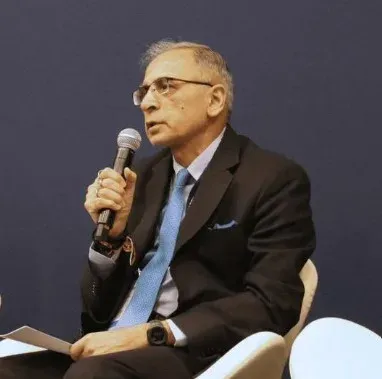
India's Ambassador to the United States Vinay Mohan Kwatra said the relationship rested on shared values, not geographic compulsion. 'We are natural partners not because of geography or compulsions of geography, but because of our shared values,' Kwatra said. He pointed to expanding cooperation in trade, semiconductors, defence, artificial intelligence, and critical minerals, and credited the Indian American diaspora as a 'foundational anchor' of the partnership. Kwatra also highlighted India's economic transformation since 2014 as a key driver of closer ties.
Historical Context and What's Next
US-India Friendship Council chairman Swadesh Chatterjee recalled how far the relationship had come since the 1990s, when the United States imposed sanctions on India following its nuclear tests. He cited the US-India civil nuclear deal of 2008 — which ended India's 34 years of nuclear isolation — as the Indian American community's most consequential diplomatic achievement.
This comes amid broader anxieties about the direction of US foreign policy and its implications for long-standing partnerships. The summit's tone — cautiously optimistic but alert to real vulnerabilities — reflects a relationship that has matured enough to absorb tension, but is now being tested by structural shifts in trade policy, immigration, and great-power competition. Whether the bipartisan consensus on Capitol Hill translates into policy outcomes will be the defining question for the relationship in the months ahead.
Point of View
Not critics — bipartisan voices who want the relationship to succeed are the ones raising the alarm. The convergence of visa friction, tariff disputes, and anti-Indian sentiment is not incidental; it reflects how domestic political pressures in both countries are beginning to strain a partnership built on elite consensus. The civil nuclear deal of 2008 took years of sustained political capital to close; the current moment may demand a similar investment, yet neither government appears to be treating it as urgent. If the bipartisan consensus on the Hill does not translate into concrete policy relief on visas and trade, the relationship risks drifting into managed decline — strong in rhetoric, weakening in substance.
NationPress
2 Oct 2026
Frequently Asked Questions
Why is the US-India relationship described as being at an 'inflection point'?
Senior American lawmakers and diplomats used the term at the Capitol Hill Summit 2026 to signal that the relationship, despite its strong long-term trajectory, is under strain from declining student visas, tariff disputes, and rising anti-Indian sentiment. Former US Ambassador Richard Verma summarised the mood by saying 'the system is flashing a bit yellow.'
What is the Capitol Hill Summit 2026?
It is an annual gathering organised by the US-India Friendship Council, bringing together US lawmakers, diplomats, policy experts, and Indian American community leaders to discuss the state of US-India bilateral relations. The 2026 edition was held in Washington on 19 May.
How large is US-India bilateral trade?
According to former US Ambassador Richard Verma, bilateral trade between the United States and India has grown from near zero to more than $200 billion over the past 25 years. Defence cooperation has also expanded dramatically in the same period.
What role does the Indian American diaspora play in US-India ties?
India's Ambassador to the United States Vinay Mohan Kwatra described the Indian American diaspora as a 'foundational anchor' of the partnership. The community is also credited with driving the landmark US-India civil nuclear deal of 2008, which ended India's 34 years of nuclear isolation.
What are the main concerns threatening the US-India relationship right now?
Participants at the summit flagged declining student visa approvals, rising anti-Indian sentiment in the United States, and ongoing tariff disputes as the primary near-term vulnerabilities. Congresswoman Deborah Ross specifically highlighted the importance of protecting access for Indian students, who form the largest group of international students in the US.