US Congress debates China strategy: security vs civil liberties
Synopsis
A US congressional hearing this week exposed a fundamental tension at the heart of American China policy: lawmakers and experts agree Beijing is the principal long-term rival, but are split on whether aggressive counter-measures risk hollowing out the very openness — in research, immigration, and investment — that gives the US its strategic edge.
Key Takeaways
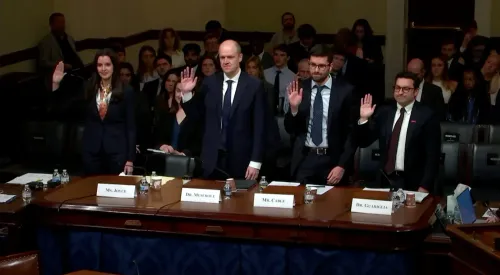
The House Select Committee on the Chinese Communist Party held a hearing in Washington this week on US-China strategy .
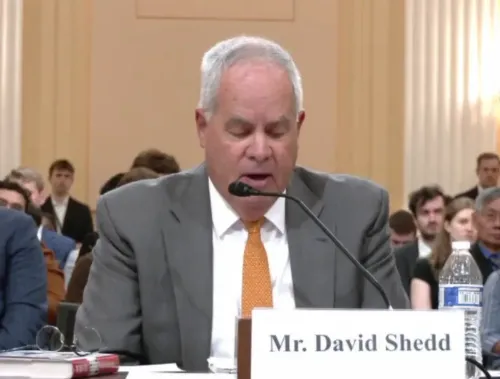
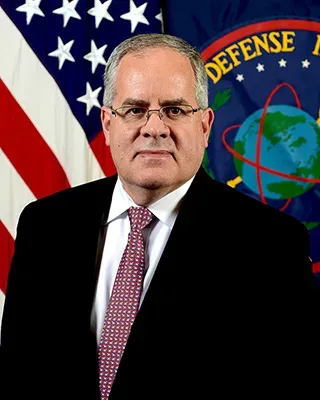
Former Acting Defence Intelligence Agency Director David Shedd called for greater scrutiny of Chinese acquisitions of US firms with sensitive intellectual property.
Shedd said Chinese companies designated as national security risks should not retain access to American patent protections.
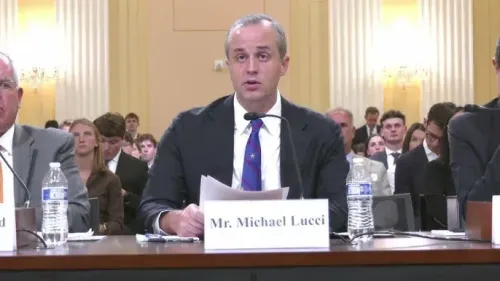
Michael Lucci raised concerns about US universities partnering with Chinese military-linked organisations while receiving federal research funding.
Yang of Asian Americans Advancing Justice argued for immigration reforms to retain skilled scientists and warned against policies that disproportionately target researchers of Chinese origin.
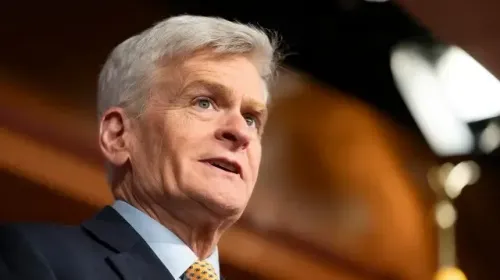
Lawmakers from both parties agreed China is the US's primary long-term strategic competitor, but differed on the proportionality of countermeasures.
US lawmakers and national security experts convened this week before the House Select Committee on the Chinese Communist Party in Washington, broadly agreeing that China represents one of America's most consequential long-term strategic challenges — while sharply diverging on how best to counter it without eroding civil liberties, academic freedom, or the country's capacity to attract global scientific talent.
Technology Theft and Foreign Investment
Former Acting Director of the Defence Intelligence Agency, David Shedd, argued that the United States must do more to safeguard sensitive technologies while resisting excessive government regulation of private industry. He raised particular concern over foreign acquisitions of American firms holding valuable intellectual property, warning that legal commercial transactions could, in some cases, achieve the same strategic outcomes as cyber espionage if they resulted in the transfer of sensitive technologies to China.
Shedd called for heightened scrutiny of such investments. On the question of whether Chinese companies designated as national security risks by the US government should continue to access American patent protections, he was unequivocal: 'The answer is absolutely not,' he said, arguing that permitting such firms to leverage those rights against American companies amounted to a serious contradiction in policy.
University Research and National Security
Michael Lucci told the committee that certain US universities had entered into partnerships with Chinese organisations linked to China's military, even while receiving American government research funding. He described such arrangements as a growing and underappreciated national security concern. This comes amid a broader federal push to tighten disclosure requirements for research grants — a measure that several witnesses characterised as a more targeted alternative to sweeping restrictions.
Balancing Openness with Security
John C. Yang, president and executive director of Asian Americans Advancing Justice, pushed back against framing national security and scientific leadership as competing imperatives. He pointed to new federal disclosure standards as a more proportionate tool, one that strengthens transparency while avoiding the documented errors of earlier programmes that disproportionately affected researchers of Chinese origin.
Yang also called for immigration reforms to retain highly skilled scientists and researchers in the United States, arguing that talent retention is itself a national security asset. Notably, this argument found some bipartisan sympathy at the hearing — a rare point of convergence in an otherwise contested debate.
Counter-Intelligence Capabilities Under Scrutiny
Several lawmakers raised alarm over recent changes affecting federal counter-intelligence resources, warning that scaling back dedicated capacity to monitor foreign influence operations could blunt Washington's response to China's expanding intelligence activities. Shedd said reducing such capabilities would be 'a mistake,' though he acknowledged that existing programmes should be evaluated for effectiveness rather than preserved uncritically.
Where Both Parties Agree — and Where They Don't
Members of both parties at the hearing agreed that China remains the United States' principal long-term strategic competitor. The fault lines, however, ran not over whether Beijing poses a threat, but over the proportionality of the response — specifically, how to protect American technology, research, and national security without dismantling the institutional openness that has historically underpinned US economic and scientific pre-eminence. That tension is unlikely to be resolved quickly, and the committee's deliberations are expected to inform legislative proposals in the months ahead.
Point of View
Tightening university research, curbing immigration pathways — can, if poorly calibrated, erode the very institutional advantages the US is trying to protect. The disproportionate impact on researchers of Chinese origin documented under earlier programmes is not a historical footnote; it is a live policy risk that the committee would do well to treat as a design constraint, not an afterthought. Meanwhile, the question of counter-intelligence resourcing deserves more scrutiny than it received — scaling back capability while simultaneously declaring China the principal threat is a strategic inconsistency that neither party has fully answered for.
NationPress
27 Jun 2026
Frequently Asked Questions
What was the focus of the House Select Committee on the Chinese Communist Party hearing?
The hearing examined how the United States should respond to China's strategic challenge across areas including technology theft, foreign investment, university research security, counter-intelligence, and immigration. Witnesses and lawmakers debated how to protect American interests without undermining civil liberties or scientific openness.
What did David Shedd say about Chinese companies and US patents?
Former Acting Defence Intelligence Agency Director David Shedd argued that Chinese companies identified as national security risks should not retain access to American patent protections. He called it 'a serious contradiction' to allow such firms to use those rights against US companies.
Why are US universities a concern in the China security debate?
Witness Michael Lucci told the committee that some US universities had partnered with Chinese organisations linked to China's military while receiving American government research funding, describing such arrangements as a growing national security concern.
What did Asian Americans Advancing Justice say at the hearing?
John C. Yang, president and executive director of Asian Americans Advancing Justice, argued that national security and scientific leadership are not competing goals. He called for immigration reforms to retain skilled researchers and warned against policies that disproportionately affect people of Chinese origin, citing documented errors in earlier programmes.
Where do US lawmakers agree and disagree on China policy?
Members of both parties agreed that China is the United States' principal long-term strategic competitor. The disagreement centres on proportionality — specifically, how aggressively to restrict technology transfers, research partnerships, and immigration without undermining the openness that underpins US economic and scientific strength.