US sanctions five Chinese firms over Google AI secrets theft
Synopsis
The US has gone beyond criminal prosecution — it is now sanctioning the investors and firms that allegedly bankrolled stolen Google AI technology. By targeting MiraclePlus and four linked entities under PAIPA, Washington is sending a message: profiting from IP theft carries economic consequences, not just criminal ones. This marks a new front in the US-China tech war.
Key Takeaways
The United States sanctioned five Chinese companies and investment entities on 19 October 2026 under the Protecting American Intellectual Property Act (PAIPA) .
The sanctions are linked to Linwei Ding , convicted on 7 counts of stealing Google AI trade secrets by a US federal jury on 29 January .
Ding founded Shanghai Zhisuan Technology in 2023 , using stolen Google superintelligence infrastructure technology to attract Chinese investment.
Beijing-based MiraclePlus provided seed funding to Zhisuan and is among the designated entities alongside four linked funds and holding companies.
The action, separate from Ding's criminal case, was backed by a Justice Department and FBI investigation and extends Washington's response to the broader financial network around the theft.
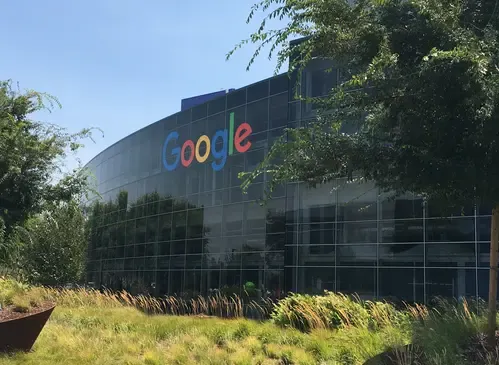
The United States on Monday, 19 October 2026 imposed sanctions on five Chinese companies and investment entities linked to the theft of Google's artificial intelligence trade secrets, marking a significant escalation in Washington's crackdown on alleged technology espionage by Chinese entities.
What Triggered the Sanctions
The State Department said the action targets entities connected to Linwei Ding, a Chinese national convicted by a US federal jury on 29 January on seven counts of trade secret theft. According to the department, Ding stole thousands of pages of confidential Google information concerning advanced AI technology for his own benefit and that of Chinese technology companies.
The sanctions were imposed under the Protecting American Intellectual Property Act (PAIPA), a federal law authorising penalties against foreign individuals and organisations involved in significant theft of American trade secrets.
The Five Designated Entities
The five sanctioned entities are: Shanghai Zhisuan Technology Co Ltd, Qiji Chuangtan Beijing Investment Management Co Ltd, Beijing Qiji Chuangtan Phase I Venture Capital Center Limited Partnership, Beijing Qiji Chuangtan Phase II Venture Capital Center Limited Partnership, and Beijing Qiji Chuangtan Zhiyuan Enterprise Management Center Limited Partnership.
Ding established Shanghai Zhisuan Technology in 2023 and promoted its capability to develop software for accelerating machine-learning workloads. He subsequently applied to MiraclePlus, a Beijing-based startup incubation and venture capital firm, claiming experience with Google's internal technology and systems. MiraclePlus provided seed funding to Zhisuan in exchange for an ownership stake.
The State Department said Ding promoted his company's ability to replicate Google's superintelligence infrastructure technology for deployment in China. The two venture capital funds — Phase I and Phase II — are managed by MiraclePlus, while the fifth entity, Zhiyuan Enterprise, is wholly owned by Phase I.
What the Government Said
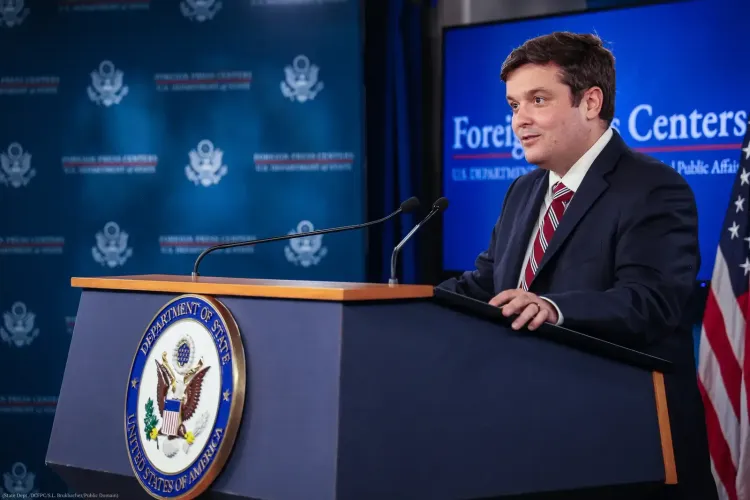
'Theft of trade secrets is a serious threat to US economic, foreign policy, and national security interests,' State Department spokesman Tommy Pigott said in a statement. The department asserted that the stolen material concerned technologies critical to American innovation and economic competitiveness, and that such theft threatened American jobs, companies, and investment while potentially undermining national security.
The State Department stated that Zhisuan had knowingly engaged in or benefited from significant theft of American trade secrets, while MiraclePlus provided financial or other support connected to the theft. The remaining three entities were designated on account of their ownership or control relationships with MiraclePlus.
Investigation and Legal Background
Monday's action followed an investigation conducted by the Justice Department and the Federal Bureau of Investigation (FBI). The sanctions represent a separate government action from Ding's criminal conviction, extending Washington's response beyond the individual to the corporate and financial ecosystem associated with the case.
Notably, this action signals that the US government is prepared to use economic penalties — not just criminal prosecution — to hold accountable the network of investors and firms that allegedly benefited from stolen American technology. This comes amid a broader pattern of Washington targeting Chinese entities over technology transfer and intellectual property concerns in semiconductors, AI, and advanced computing.
What Happens Next
The designated entities will face asset freezes and restrictions on transactions with US persons and institutions. Industry observers note that the PAIPA-based sanctions framework, still relatively new, could be applied more broadly as AI-related intellectual property disputes intensify between the US and China. Further designations linked to the Ding case have not been ruled out, according to reports.
Point of View
Which came months ago. By targeting MiraclePlus and its fund vehicles, Washington is asserting that venture capital ecosystems that knowingly absorb stolen US IP are themselves a national security threat. That is a significant doctrinal step. Critics will ask whether the evidentiary bar for 'knowingly benefited' is clear enough to withstand legal challenge, and whether sanctioning Chinese VC funds will deter or simply drive such activity further underground. The broader pattern — semiconductors, AI, quantum — suggests Washington views economic penalties as a necessary complement to criminal law, especially when prosecution cannot reach the firms that ultimately profit.
NationPress
20 Oct 2026
Frequently Asked Questions
Why did the US sanction five Chinese companies over Google AI theft?
The US imposed sanctions because these entities were linked to Linwei Ding, convicted of stealing thousands of pages of confidential Google AI technology. The State Department said the firms either directly benefited from the theft or provided financial support connected to it, making them liable under the Protecting American Intellectual Property Act (PAIPA).
Who is Linwei Ding and what was he convicted of?
Linwei Ding is a Chinese national convicted by a US federal jury on 29 January on seven counts of theft of trade secrets from Google. He founded Shanghai Zhisuan Technology in 2023 using the stolen material, which concerned Google's superintelligence infrastructure and advanced AI systems.
What is the Protecting American Intellectual Property Act (PAIPA)?
PAIPA is a US federal law that authorises the government to impose sanctions on foreign individuals and organisations involved in significant theft of American trade secrets. It allows for asset freezes and restrictions on transactions with US persons, extending accountability beyond criminal prosecution.
Which entities were sanctioned and what is their connection to the theft?
The five sanctioned entities are Shanghai Zhisuan Technology, Qiji Chuangtan Beijing Investment Management, and three linked partnership funds. MiraclePlus, a Beijing-based VC firm, provided seed funding to Zhisuan and manages two of the designated funds; the fifth entity is wholly owned by one of those funds.
How does this relate to broader US-China technology tensions?
The sanctions are part of a wider US effort to curb Chinese access to sensitive American technology, spanning semiconductors, AI, and advanced computing. Using PAIPA to target investors — not just individuals — signals that Washington is expanding its toolkit to include the financial networks that allegedly profit from IP theft.