US sanctions Iran shadow fleet lawyers, nine vessels blocked
Synopsis
Washington has moved beyond sanctioning tankers to targeting the lawyers and corporate agents who make Iran's shadow fleet legally invisible. The designation of Karnakis and Karnakis — a law firm with offices in Panama and Greece — alongside Singapore and Dubai shipping networks and an unnamed Greek bank under subpoena marks a significant escalation in Operation Economic Outcast, signalling that professional enablers are now firmly in the US crosshairs.
Key Takeaways
US Treasury sanctioned Karnakis and Karnakis , a law firm in Panama and Greece , five associates, and maritime businesses in Singapore and Dubai on 22 October 2026 .
Nine vessels — including Anemos, Gloris, Pride, Destiny, Flamingo 1, Harmony, Prince, Whales Diamond and Whales Pearl — were identified as blocked property.
FinCEN issued an administrative subpoena to an unnamed Greek bank to investigate its potential ties to Iran; no wrongdoing has been found yet.
The action is part of Operation Economic Outcast , launched on 24 August by Treasury Secretary Scott Bessent .
Designations were imposed under Executive Order 13902 , targeting Iran's petroleum and petrochemicals sectors.
Foreign banks risk losing access to US correspondent banking if they transact with designated parties.
The United States Treasury Department on Wednesday, 22 October 2026 imposed sweeping sanctions on a Panama and Greece-based law firm, maritime businesses in Singapore and Dubai, and nine vessels, accusing them of helping Iran conceal ship ownership and move hundreds of millions of dollars' worth of oil, petrochemicals and steel in violation of existing US restrictions. The action extends Washington's financial crackdown beyond commodity traders to the professional services networks — lawyers, corporate agents and shipping operators — that critics say make Iran's sanctions evasion possible.
Key Targets in Wednesday's Designations
At the centre of the action is Karnakis and Karnakis, a law firm with offices in Panama and Greece, along with five individuals associated with it. Treasury alleged that the firm registered shipping companies whose vessels transported Iranian petroleum, petrochemicals and steel worth hundreds of millions of dollars. Employees reportedly served as company directors and officers to obscure the actual beneficial owners — a technique regulators describe as layered concealment.
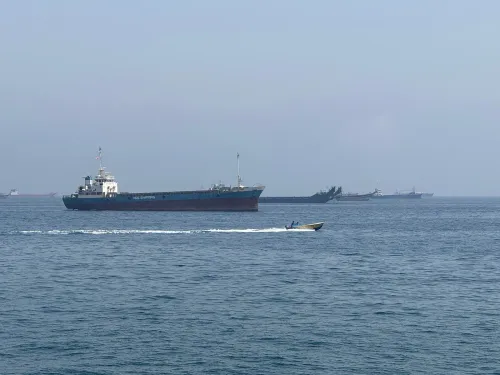
Among the maritime businesses designated was Roxette Maritime Shipping and Trading S.A., which Treasury said operates and manages seven Panama-flagged cargo vessels. The vessels identified are Anemos, Gloris, Pride, Destiny, Flamingo 1, Harmony and Prince. Of these, Anemos, Gloris and Pride are alleged to have transported Iranian-origin goods — including petrochemicals and steel — within the past year.
Singapore and Dubai Networks in the Crosshairs
Singapore-based Amigoz Singapore PTE. Ltd. was sanctioned for allegedly providing services for Iranian oil shipments, including acting as agent for a crude shipment overseen by a company supporting commodity allocations to Iranian military entities. Treasury also designated Dubai-based Whales Shipping Line LLC, which it alleged acted as a shipping agent for a sanctioned business involved in purchasing Iranian petrochemicals and had conducted business with Amigoz. Two UAE-flagged support vessels — Whales Diamond and Whales Pearl — were identified as blocked property.
Greek Bank Under Investigation
In a notable parallel move, Treasury said its Financial Crimes Enforcement Network (FinCEN) had issued an administrative subpoena under the Bank Secrecy Act to investigate an unnamed Greek bank's potential ties to Iran and its proxies. Treasury was careful to describe the step as an investigation, stopping short of any finding of wrongdoing. FinCEN is reportedly coordinating with European partners, including Greek authorities, and has separately sought information on banks' relationships with Iranian financial institutions already under US sanctions.
What Bessent Said — and What the Sanctions Mean
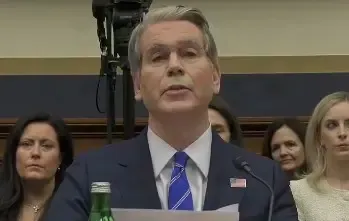
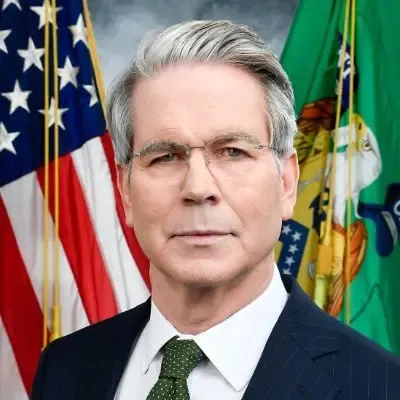
Treasury Secretary Scott Bessent stated: 'Whether you are conducting illegal oil transfers at sea or sitting in the corner office of a law firm, if you are supporting the Iranian regime, we will find you and sanction you.' The designations freeze any property within US jurisdiction belonging to the listed parties and generally bar US persons from transactions involving that property. Entities owned at least 50 per cent by blocked persons are also covered. Treasury warned that foreign financial institutions risk losing access to US correspondent banking if they deal with designated parties.
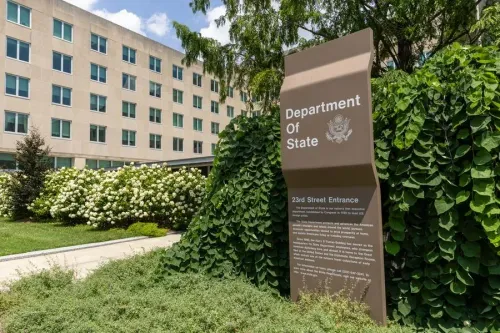
State Department spokesman Tommy Pigott separately urged governments, flag registries, port authorities and private businesses to identify warning signs of sanctions evasion and cut ties with those facilitating it.
Operation Economic Outcast: The Broader Campaign
Wednesday's action falls under Operation Economic Outcast, a coordinated initiative announced by Bessent on 24 August to disrupt the networks, intermediaries and financial channels Iran uses to export commodities and evade sanctions, working with partners in Europe, the Gulf and elsewhere. The designations were imposed under Executive Order 13902, which targets sectors of Iran's economy including petroleum and petrochemicals. Earlier rounds had already hit several shipping companies established by Karnakis and Karnakis, according to Treasury — Wednesday's action expanding the net to the professional enablers behind them.
The sweep signals a deliberate strategic shift: rather than chasing individual tankers, Washington is now targeting the legal and corporate infrastructure that makes Iran's shadow fleet viable in the first place.
Point of View
Not merely issuing unilateral designations. The risk is that shadow-fleet operators simply rotate to jurisdictions beyond US reach; the Greek bank investigation hints that Washington knows this and is trying to pre-empt it by targeting the financial on-ramps. Whether Operation Economic Outcast meaningfully curbs Iranian oil revenues will depend on whether Gulf and Asian intermediaries face credible secondary-sanction risk — something Wednesday's action puts more firmly on the table.
NationPress
22 Oct 2026
Frequently Asked Questions
What did the US Treasury sanction on 22 October 2026 related to Iran?
The US Treasury sanctioned Karnakis and Karnakis, a law firm based in Panama and Greece, five individuals linked to it, and maritime companies in Singapore and Dubai for allegedly helping Iran conceal ship ownership and move oil, petrochemicals and steel in violation of US sanctions. Nine vessels were also designated as blocked property.
What is Operation Economic Outcast?
Operation Economic Outcast is a US Treasury-led initiative announced by Treasury Secretary Scott Bessent on 24 August, designed to disrupt the networks, intermediaries and financial channels Iran uses to export commodities and evade sanctions. It involves coordination with partners in Europe, the Gulf and elsewhere.
Which vessels were identified as blocked property?
Nine vessels were designated: Anemos, Gloris, Pride, Destiny, Flamingo 1, Harmony and Prince — managed by Roxette Maritime Shipping and Trading S.A. — as well as Whales Diamond and Whales Pearl, two UAE-flagged support vessels owned by Dubai-based Whales Shipping Line LLC.
Why is a Greek bank being investigated?
The US Treasury's Financial Crimes Enforcement Network (FinCEN) issued an administrative subpoena under the Bank Secrecy Act to investigate an unnamed Greek bank's potential ties to Iran and its proxies. Treasury described it as an investigation, without announcing any finding of wrongdoing, and said it was coordinating with Greek and other European authorities.
What do the sanctions mean for foreign banks and businesses?
The designations freeze property within US jurisdiction belonging to listed parties and generally prohibit US persons from transacting with them. Entities owned at least 50 per cent by blocked persons are also covered, and foreign financial institutions risk losing access to US correspondent banking if they deal with designated parties.