US-Saudi strikes hit Iran-backed sites in Iraq after 30+ drone attacks
Synopsis
On a single day, US-Saudi jets struck Iran-backed militia sites in eastern Iraq while Iran simultaneously fired ballistic missiles at US forces — all intercepted. With over 600 militia attacks recorded since February and 20-plus US warships enforcing a naval blockade, the Middle East standoff has entered a dangerously active phase.
Key Takeaways
US and Saudi Arabian forces struck Iran-aligned militia logistics and weapons sites in eastern Iraq on Tuesday, 29 July 2026 .
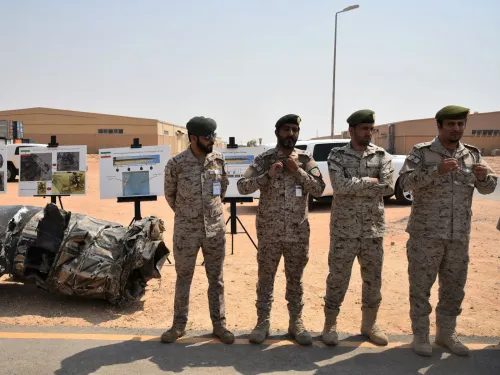
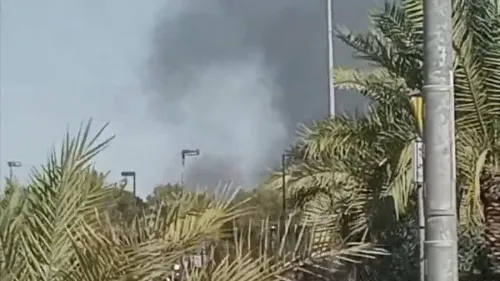
The strikes followed more than 30 drone attacks on American troops and Saudi energy infrastructure over 72 hours .
Iran's IRGC launched several ballistic missiles at US forces the same day; all were successfully intercepted, according to CENTCOM .
Iran-aligned militias in Iraq conducted more than 600 attacks against US citizens and facilities between February and April 2026 .
More than 20 US Navy warships are operating in the Middle East , enforcing a naval blockade against Iran that has involved 18 redirected, 2 disabled, and 2 boarded commercial vessels as of 28 July .
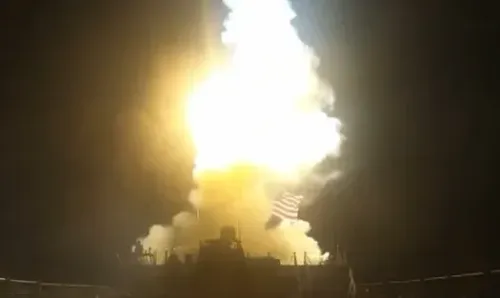
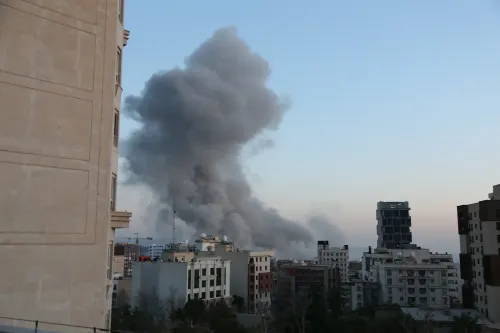
US and Saudi Arabian forces launched coordinated precision airstrikes against Iran-aligned militia logistics and weapons sites across eastern Iraq on Tuesday, following more than 30 drone attacks on American troops and Saudi energy infrastructure, the US Central Command (CENTCOM) confirmed. The joint operation marks one of the most significant direct military responses to Iran-backed militia activity in the region in recent months.
What the Strikes Targeted
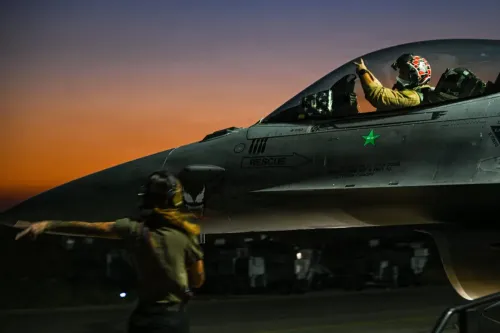
US and Saudi fighter aircraft struck multiple logistics depots and weapons caches used by Iran-aligned groups, according to CENTCOM. The command described the operation as a direct response to aerial attacks conducted over the preceding 72 hours, carried out under the direction of Iran's Islamic Revolutionary Guard Corps (IRGC).
The command declined to identify the specific groups targeted or disclose precise strike locations beyond confirming they occurred across eastern Iraq. No information on casualties or the extent of damage was provided.
Iran Fires Ballistic Missiles, All Intercepted
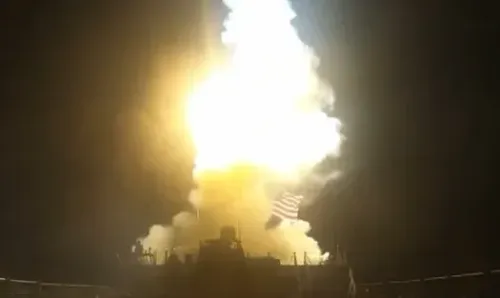
In a separate but related escalation on the same day, CENTCOM said the IRGC launched several ballistic missiles from Iran at 5:45 pm Eastern Time in what it described as an attempted surprise attack on US forces stationed in the region.
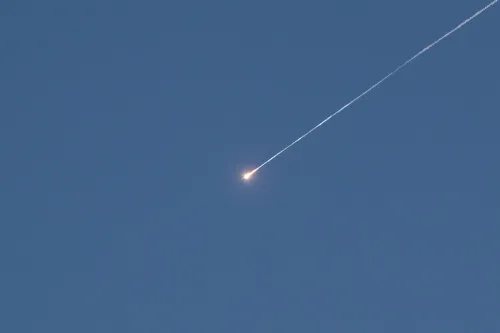
'All Iranian missiles were successfully intercepted,' the command stated, adding that 'US forces remain vigilant and at a high state of readiness.' CENTCOM did not disclose how many missiles were fired, where they were intercepted, which US bases were targeted, or which defence systems were deployed.
Scale of Militia Attacks Since February
CENTCOM said Iran-aligned militias in Iraq had attempted more than 600 attacks against US citizens and facilities between February and April 2026 — a figure that underscores the sustained nature of the threat ahead of Tuesday's escalation. 'The unwarranted attacks against US forces were not successful,' the command said.
In a pointed warning, CENTCOM stated: 'The IRGC and its terrorist proxies must cease these attacks to avoid further US military response.'
US Naval Presence and Iran Blockade
Separately, CENTCOM confirmed that more than 20 US Navy warships were operating across the Middle East in support of ongoing military missions. The command said these operations included strict enforcement of what it called a 'steel wall blockade' against Iran.
As of 28 July, CENTCOM said it had redirected 18 commercial vessels, disabled two, and boarded another two to enforce compliance. The command did not identify the ships, their owners, cargo, or the waters in which the encounters took place.
What Comes Next
The twin developments — joint airstrikes and a ballistic missile launch — signal a sharp escalation in the US-Iran standoff. With over 20 US warships in theatre and a naval blockade actively enforced, the risk of further confrontation remains elevated. Whether Tehran opts for restraint or further retaliation will likely define the trajectory of the conflict in the coming days.
Point of View
If accurate, reframes Tuesday's strikes not as retaliation but as the culmination of a months-long pattern, lending legal and political cover for further escalation. The naval blockade detail is equally significant — enforcing a 'steel wall' against Iranian shipping is an act of economic warfare that rarely stays contained. Mainstream coverage has focused on the airstrikes; the blockade enforcement may carry the longer strategic consequence.
NationPress
29 Jul 2026
Frequently Asked Questions
Why did the US and Saudi Arabia carry out airstrikes in Iraq on 29 July 2026?
The strikes were a direct response to more than 30 drone attacks on American troops and Saudi energy infrastructure over the preceding 72 hours, directed by Iran's IRGC. CENTCOM described the operation as a coordinated precision response targeting logistics and weapons sites used by Iran-aligned militias in eastern Iraq.
Were any US forces harmed in the Iranian drone or missile attacks?
CENTCOM stated that 'the unwarranted attacks against US forces were not successful,' indicating no confirmed casualties from the drone strikes. All Iranian ballistic missiles fired later the same day were also successfully intercepted, the command confirmed.
How many attacks have Iran-backed militias carried out against US forces in 2026?
According to CENTCOM, Iran-aligned militias in Iraq attempted more than 600 attacks against US citizens and facilities between February and April 2026 alone, underscoring the sustained scale of the threat prior to Tuesday's escalation.
What is the US 'steel wall blockade' against Iran?
CENTCOM described it as a strict naval enforcement operation being carried out by more than 20 US warships across the Middle East. As of 28 July, the operation had resulted in 18 commercial vessels being redirected, two disabled, and two boarded to enforce compliance with the blockade.
Did Iran fire missiles at US forces on the same day as the airstrikes?
Yes. CENTCOM said the IRGC launched several ballistic missiles from Iran at 5:45 pm Eastern Time on Tuesday in what it called an attempted surprise attack on US forces in the region. All missiles were successfully intercepted, according to the command.