US Senators question Pakistan, Qatar roles in Iran ceasefire talks
Synopsis
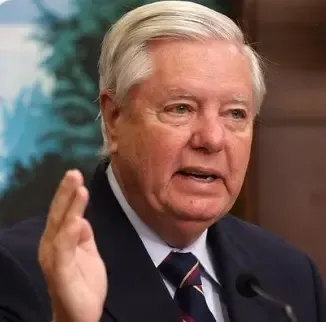
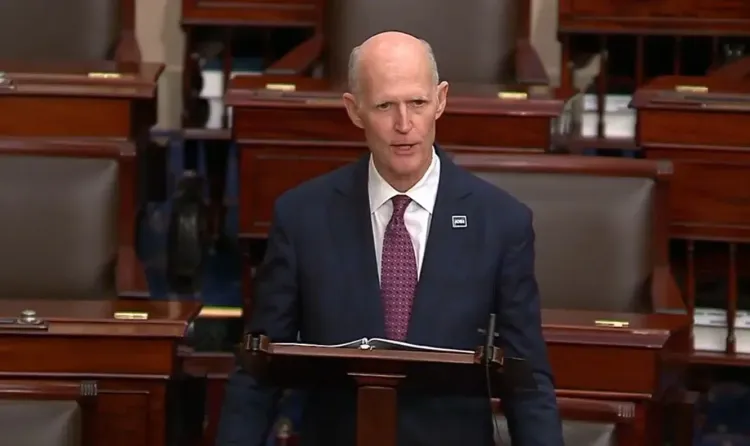
Two Republican senators have gone on the record against Pakistan and Qatar serving as Iran ceasefire mediators, with Senator Rick Scott posting directly on X and Senator Tim Sheehy invoking bin Laden and ISI funding on Fox News. Their pushback signals that any Iran deal brokered through these channels will face a bruising reception on Capitol Hill.
Key Takeaways
Senator Rick Scott (Florida) and Senator Tim Sheehy (Montana), both Republicans, publicly questioned Qatar and Pakistan as Iran ceasefire intermediaries on 24 June .
Scott posted on X that both nations have ‘long histories of harboring terrorists’ and ruled out any Iran deal that allows Tehran to build a nuclear weapon.
Sheehy cited Pakistan’s ISI funding of insurgencies and the sheltering of Osama bin Laden , and accused Qatar of laundering money for terrorist groups.
Both senators called for Saudi Arabia , the UAE , and Israel to be included at the negotiating table.
Iran’s Foreign Ministry confirmed the Switzerland talks focused on implementation mechanisms of a war-termination memorandum of understanding, with expert-level discussions set to continue.
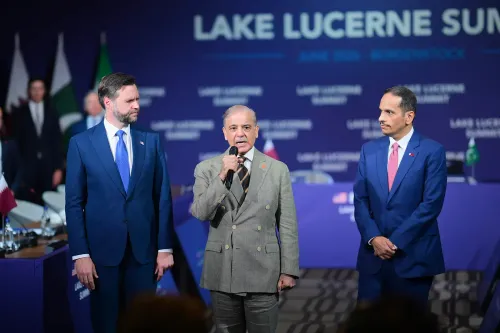
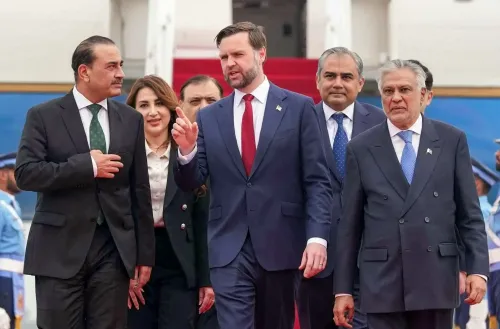
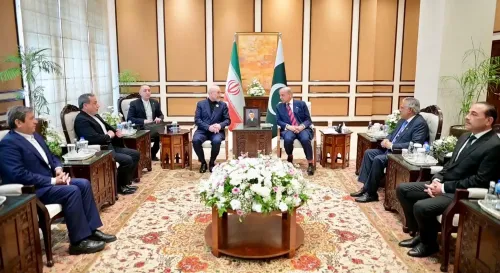
Two Republican US Senators have publicly challenged the use of Qatar and Pakistan as intermediaries in ongoing US-Iran ceasefire negotiations, accusing both nations of long-standing ties to terrorism. The remarks, made on 24 June, come as the two countries mediated a fresh round of talks between Washington and Tehran held in Switzerland.
What the Senators Said
Senator Rick Scott of Florida posted on X that Qatar and Pakistan have “long histories of harboring terrorists” and accused both of being “far more invested in propping up Iran’s decades-long terror campaign than achieving a meaningful peace.” Scott added: “There is ZERO chance Iran comes out of this able to build a nuclear weapon.”
Senator Tim Sheehy of Montana, speaking on Fox News’ Fox and Friends, raised pointed questions about Pakistan’s suitability as a neutral mediator, citing the country’s Inter-Services Intelligence (ISI) and its alleged role in funding insurgencies against the US. Sheehy also recalled that Pakistan sheltered Al-Qaeda founder Osama bin Laden. On Qatar, he alleged the country had been “laundering money for terrorist organisations for decades.”
Who Should Be at the Table
Sheehy called for Saudi Arabia, the UAE, and Israel to be included in the negotiations, arguing that their presence would counterbalance what he described as Qatar’s and Pakistan’s lack of objectivity. “We need to make sure we stand with the UAE, we stand with Israel unequivocally because they will be our vanguard in the region, no matter what happens,” he said.
When asked directly whether he objected to Pakistan and Qatar serving as intermediaries, Sheehy responded: “I do. I think Qatar and Pakistan… they have a role to play for sure, but if they’re going to be at the table, we better have the UAE and Saudi and Israel at the table, too.”
Where the Iran Talks Stand
The diplomatic backdrop involves ongoing US-Iran discussions in Switzerland, where Qatar and Pakistan have been acting as go-betweens. Iranian Foreign Ministry spokesperson Esmaeil Baqaei said on Monday that the Switzerland round focused on “advancing implementation mechanisms” under an existing agreement, and that expert-level discussions would continue. He confirmed the Iranian delegation had returned home after talks on implementing the provisions of a memorandum of understanding to end the war.
Broader Context
The senators’ criticism reflects a wider debate within the Republican Party over the architecture of any Iran deal and which regional actors Washington should trust. Notably, both Qatar and Pakistan have previously served as diplomatic channels for the US in sensitive negotiations — including the Taliban talks in Doha and the release of American hostages — a record that critics argue complicates claims of neutrality. The latest remarks signal that any emerging Iran framework will face significant scrutiny on Capitol Hill, regardless of its terms.
Point of View
Even while criticising them publicly. The demand to seat Saudi Arabia, the UAE, and Israel alongside Qatar and Pakistan would fundamentally alter the negotiating dynamic, likely hardening Tehran’s position. What mainstream coverage underplays is that this pressure, if it gains traction in the Senate, could constrain the White House’s room to manoeuvre on any Iran framework before it is even finalised.
NationPress
23 Sept 2026
Frequently Asked Questions
Why are US Senators objecting to Pakistan and Qatar mediating Iran talks?
Senators Rick Scott and Tim Sheehy argue that Pakistan and Qatar have histories of supporting terrorism, making them unsuitable as neutral intermediaries. Scott cited their alleged backing of Iran’s ‘terror campaign,’ while Sheehy pointed to Pakistan’s ISI funding insurgencies and Qatar’s alleged money-laundering for terrorist groups.
What did Senator Rick Scott say about Pakistan and Qatar on X?
Scott posted on X that Qatar and Pakistan ‘have long histories of harboring terrorists’ and accused them of being more invested in sustaining Iran’s influence than in reaching a genuine peace. He also stated there is ‘ZERO chance’ Iran should emerge from negotiations with the ability to build a nuclear weapon.
Where are the US-Iran ceasefire talks being held?
The negotiations are taking place in Switzerland, with Qatar and Pakistan serving as intermediaries. Iran’s Foreign Ministry confirmed that the latest round focused on implementing a war-termination memorandum of understanding, with technical-level talks set to continue.
Which countries do the senators want included in Iran negotiations?
Senator Tim Sheehy called for Saudi Arabia, the UAE, and Israel to be seated at the negotiating table, arguing they would serve as more reliable partners and that the US should stand with them ‘unequivocally’ as regional allies.
What is Pakistan’s role in the Iran ceasefire talks?
Pakistan is reportedly acting as one of two intermediaries — alongside Qatar — in the US-Iran negotiations held in Switzerland. Senators have challenged this role, citing Pakistan’s past conduct including the sheltering of Osama bin Laden and alleged ISI support for anti-US insurgencies.