US Iran blockade: CENTCOM disables Pacific Archer cargo ship

Synopsis
A US aircraft fired precision munitions into a civilian bulk carrier leaving Bandar Abbas. Washington is no longer just turning ships back from its Iran blockade. CENTCOM says six vessels have been disabled, Tehran vows to keep Hormuz shut, and the world's most vital oil chokepoint is edging closer to open confrontation.
Key Takeaways
CENTCOM disabled the Palau-flagged M/V Pacific Archer in the Gulf of Oman on 26 November 2026 .
The ship had departed Bandar Abbas and allegedly tried to run the US blockade despite multiple warnings.
Precision munitions struck the vessel's stern, disabling propulsion; the civilian crew was unharmed.
CENTCOM says 158 vessels have been redirected and six disabled for non-compliance.
An adviser to Iran's Supreme Leader has vowed to keep the Strait of Hormuz closed and break the embargo.
The blockade crossed 130 consecutive days on 21 November , according to CENTCOM.
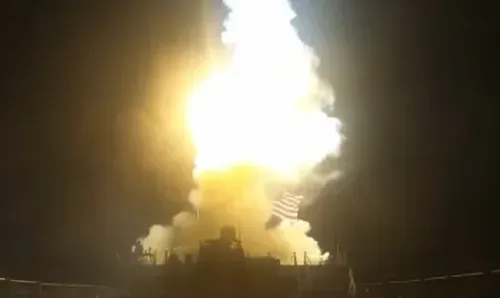
The US military has disabled a commercial vessel in the Gulf of Oman after it allegedly tried to run the US naval blockade of Iran despite repeated warnings. The incident escalates an already tense maritime standoff, with Tehran vowing to keep the Strait of Hormuz shut and break the embargo.
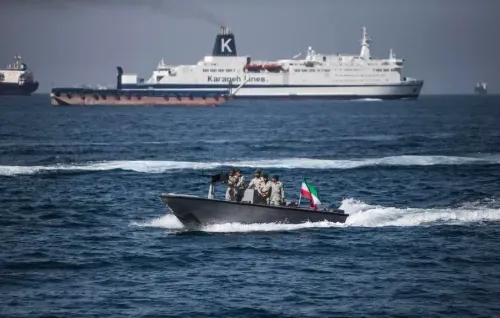
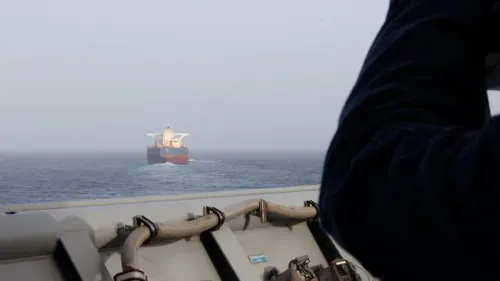
According to the US Central Command (CENTCOM), the strike took place on 26 November 2026. The Palau-flagged bulk carrier M/V Pacific Archer had sailed from the Iranian port city of Bandar Abbas and attempted to transit regional waters.
What CENTCOM Said
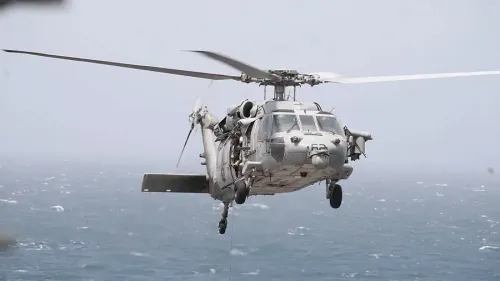
In a statement, CENTCOM said a US aircraft fired precision munitions at the ship's stern. “A U.S. military aircraft launched precision munitions that struck the stern of Palau-flagged M/V Pacific Archer. The ship’s propulsion was ultimately disabled and the civilian crew was unharmed,” the statement read.
The command said the crew ignored multiple warnings from American forces. “U.S. Central Command (CENTCOM) disabled a commercial vessel in the Gulf of Oman, Nov. 26, after the crew attempted to run the U.S. naval blockade, despite multiple warnings, following departure from an Iranian port,” it said.
Blockade Enforcement by the Numbers
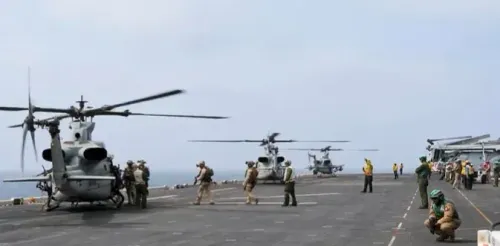
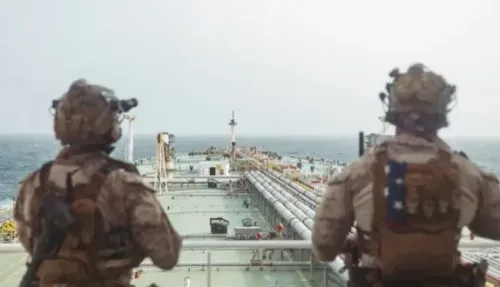
CENTCOM said American forces continue to strictly enforce the blockade. According to the command, 158 commercial vessels have been redirected after complying with instructions. Another six vessels have been disabled for refusing to comply.
The command also warned shipping operators directly. “All mariners operating in the Gulf of Oman and approaches to the Strait of Hormuz are urged to heed blockade warnings issued by CENTCOM forces,” it said.
Notably, these figures suggest that most commercial operators have chosen to turn back rather than risk confrontation. The Pacific Archer incident shows that Washington is willing to use direct force against civilian-crewed ships that do not comply.
Tehran's Defiance and Rising Tensions
The development comes amid sharpening hostility between Washington and Tehran. An adviser to Iran's Supreme Leader has asserted that Iran will keep the Strait of Hormuz closed and has vowed to break the US embargo.
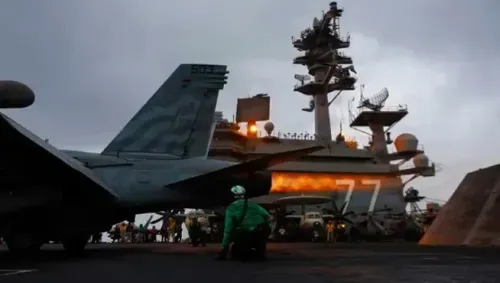
On 21 November, CENTCOM said in a post on X that the blockade had completed 130 consecutive days. “Today marks 130 consecutive days of America's blockade against Iran. U.S. service members are enforcing the blockade with exceptional focus, determination, and professionalism — preventing Iran's Islamic Revolutionary Guard Corps from exporting billions of dollars in crude oil,” the command stated.
Why It Matters for Shipping and Energy
The Strait of Hormuz and the Gulf of Oman are among the world's most critical energy corridors. Disruption there affects crude supply chains, freight costs and insurance premiums for vessels operating in the region.
For energy-importing economies such as India, which rely heavily on Gulf crude, a prolonged closure and a tightening blockade raise the risk of supply disruption and price volatility. Shipping firms are also likely to come under growing pressure to reroute or suspend sailings near Iranian waters.
With Washington signalling no let-up and Tehran pledging to defy the embargo, the coming days will show whether the standoff stays limited to interdictions at sea or spills into a wider confrontation in the Gulf.
Point of View
And each new disabling raises the odds of a casualty that could turn a maritime standoff into a wider war. The 158-to-6 compliance ratio shows the pressure is working on shipowners, but not on Tehran, which is doubling down on a Hormuz closure that hurts Asian importers like India far more than it hurts Washington. New Delhi cannot afford to treat this as a distant US-Iran quarrel. Its energy security now depends on de-escalation in waters it does not control.
NationPress
28 Nov 2026
Frequently Asked Questions
What happened to the M/V Pacific Archer?
The Palau-flagged bulk carrier was disabled by US precision munitions in the Gulf of Oman on 26 November 2026, according to CENTCOM. The strike hit the ship's stern and knocked out its propulsion, and the civilian crew was unharmed.
Why did the US military strike the vessel?
CENTCOM said the ship had left the Iranian port of Bandar Abbas and tried to run the US naval blockade of Iran despite multiple warnings from American forces.
How many ships have been stopped under the US blockade of Iran?
According to CENTCOM, 158 commercial vessels have been redirected after complying with instructions, while six have been disabled for refusing to comply.
How long has the US blockade of Iran been in place?
CENTCOM said in a post on X on 21 November that the blockade had completed 130 consecutive days. It said the blockade aims to stop Iran's Islamic Revolutionary Guard Corps from exporting billions of dollars in crude oil.
What has Iran said about the Strait of Hormuz?
An adviser to Iran's Supreme Leader has said Iran will keep the Strait of Hormuz closed and has vowed to break the US embargo, deepening tensions in the region.