Trump: US leads China 'very substantially' in AI race
Synopsis
Trump's claim that the US leads China 'very substantially' in AI wasn't just a boast — it landed on the same day Washington hosted China at a G20 AI ministerial and produced the Carolina Principles. The juxtaposition of diplomatic engagement and strategic rivalry captures the central tension driving global AI governance: cooperation in the room, competition in the chip labs.
Key Takeaways
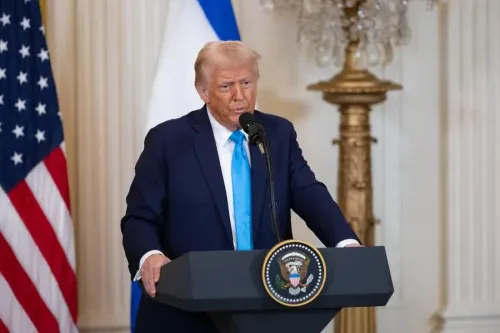
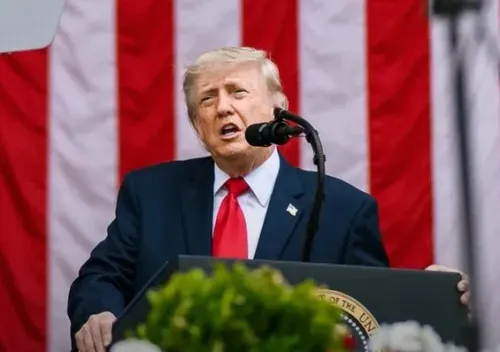
President Trump declared on Wednesday that the US leads China 'very substantially' in artificial intelligence.
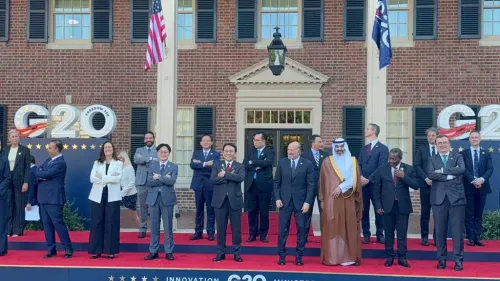
The remarks coincided with the conclusion of the G20 Innovation Ministerial in Chapel Hill, North Carolina , hosted by the US Department of Commerce .
The ministerial produced the Carolina Principles for Emerging Technologies , covering foundational research, commercialisation and trusted technology adoption.
Tech leaders including Jensen Huang , Sam Altman , Elon Musk and Mark Zuckerberg participated in ministerial discussions.
Washington has imposed semiconductor export controls on China ; Beijing has accelerated domestic chip and AI development in response.
India was present at the ministerial, underscoring its emerging role in global AI governance and US technology partnerships.
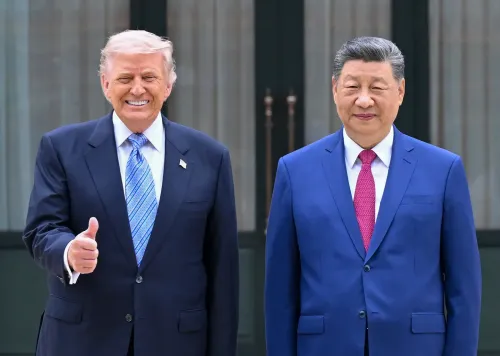
President Donald Trump declared on Wednesday that the United States is outpacing China in artificial intelligence 'very substantially,' framing technological supremacy as the defining contest between the world's two largest economies. The remarks came as his administration wrapped up a high-profile G20 Innovation Ministerial in Chapel Hill, North Carolina, centred on AI, emerging technologies and the future workforce.
What Trump Said
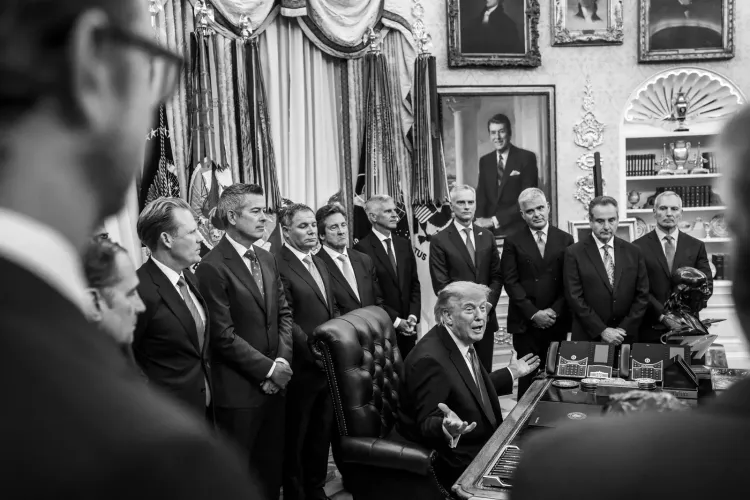
'AI is going up, and we're leading China in AI very substantially,' Trump said during a meeting with US travel industry executives. The President linked America's AI momentum to a broader surge in foreign and domestic investment he says is flowing into the country. These are not isolated remarks — Trump has made similar claims repeatedly, consistently casting the US-China technology gap as wide and widening.
The G20 Innovation Ministerial
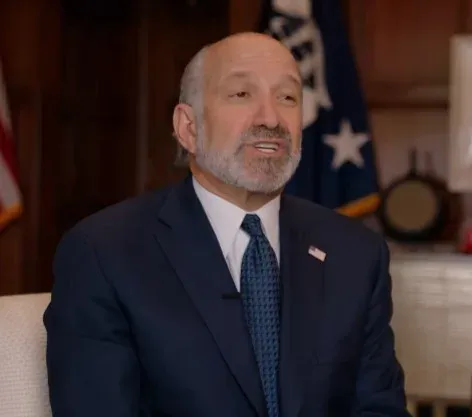
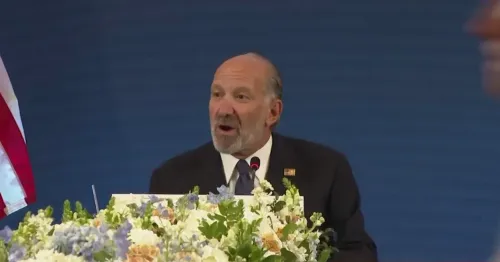
The two-day ministerial, hosted by the US Department of Commerce and the White House Office of Science and Technology Policy, brought together representatives from major economies including India and China. Commerce Secretary Howard Lutnick led discussions with leading figures from American technology, including Nvidia founder and CEO Jensen Huang, OpenAI CEO Sam Altman, Anthropic co-founder Tom Brown, and Palantir CEO Alex Karp.
White House science adviser Michael Kratsios separately convened sessions with Elon Musk, Meta CEO Mark Zuckerberg, and Google DeepMind co-founder Demis Hassabis. The gathering produced a consensus statement on emerging technologies and the Carolina Principles for Emerging Technologies, which call for investment in foundational research, stronger commercialisation pathways and wider adoption of trusted technologies.
The Strategic Stakes
The ministerial focused on six pillars: pro-innovation policy frameworks, technology for economic opportunity, development of a skilled technical workforce, intellectual property policies for AI, AI standards, and investment in industrial supply chains. The Trump administration has argued that sustaining US leadership demands not just superior AI models but the underlying infrastructure — advanced chips, data centres and large-scale energy capacity.
Washington has already imposed export controls intended to restrict Chinese access to advanced American semiconductor technologies. Beijing, in turn, has accelerated domestic development in chips, AI and other strategic sectors. This chip-and-counter-chip dynamic has made the bilateral technology contest one of the defining geopolitical fault lines of the decade.
India's Growing Role
India was present at the ministerial alongside the US, China and other major economies, placing New Delhi squarely inside the international debate over how AI should be developed, governed and deployed. India has been expanding domestic AI infrastructure and computing capacity while deepening technology partnerships with the United States and other allies — a positioning that makes it a significant swing player in the global AI order.
As the US-China AI contest intensifies, the question of which nations can build credible third-pole capabilities — and on whose terms — is set to define the next phase of global technology governance.
Point of View
But China has closed distance faster than many in Washington anticipated, particularly in inference efficiency and open-source deployment. The G20 ministerial's consensus statement papers over deep disagreements on AI governance, data flows and export controls that no set of principles resolves. India's presence is notable: New Delhi is being courted as a counterweight to Beijing in the AI supply chain, but its own compute infrastructure and regulatory clarity remain works in progress. The real test of US leadership is not Trump's assertion — it is whether American chip controls slow Chinese AI development or merely accelerate Beijing's push for self-sufficiency.
NationPress
3 Sept 2026
Frequently Asked Questions
What did Trump say about the US and China in AI?
President Trump said the United States is leading China 'very substantially' in artificial intelligence, framing the contest as both an economic opportunity and a national security priority. He made the remarks during a meeting with US travel industry executives on Wednesday.
What is the G20 Innovation Ministerial and what did it produce?
The G20 Innovation Ministerial was a two-day gathering in Chapel Hill, North Carolina, hosted by the US Department of Commerce and the White House Office of Science and Technology Policy, focused on AI, emerging technologies and the future workforce. It produced a consensus statement and the Carolina Principles for Emerging Technologies, covering foundational research, commercialisation and adoption of trusted technologies.
Which tech leaders attended the G20 Innovation Ministerial?
Commerce Secretary Howard Lutnick hosted discussions with Jensen Huang of Nvidia, Sam Altman of OpenAI, Tom Brown of Anthropic and Alex Karp of Palantir. White House science adviser Michael Kratsios separately met with Elon Musk, Meta CEO Mark Zuckerberg and Google DeepMind co-founder Demis Hassabis.
How is the US trying to stay ahead of China in AI?
The Trump administration has imposed export controls restricting Chinese access to advanced American semiconductors and is pushing for faster AI infrastructure buildout — including data centres, advanced chips and expanded energy capacity. It has also sought to set international AI governance norms through forums like the G20 ministerial.
What is India's role in the global AI competition?
India participated in the G20 Innovation Ministerial alongside the US and China, reflecting its growing importance in the global AI ecosystem. New Delhi is expanding domestic AI infrastructure and deepening technology partnerships with the United States, positioning itself as a significant player in international AI governance and supply chains.