USFK clears Osan Air Base: No white phosphorus found after July 28 alert
Synopsis
A week after a white phosphorus scare forced Pyeongtaek authorities to issue an emergency evacuation alert, USFK has formally cleared Osan Air Base — the residue was surface corrosion, not a chemical weapon. The 36-minute evacuation window and the base's civilian neighbourhood proximity underscore how quickly a routine munitions check can escalate into a public health crisis.
Key Takeaways
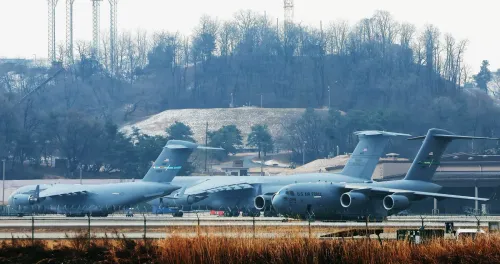
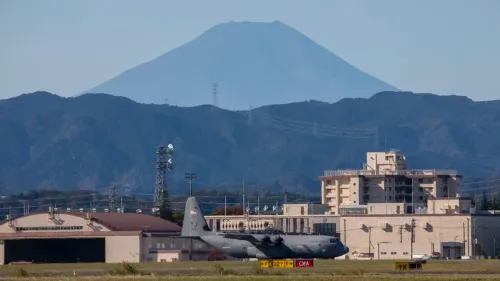
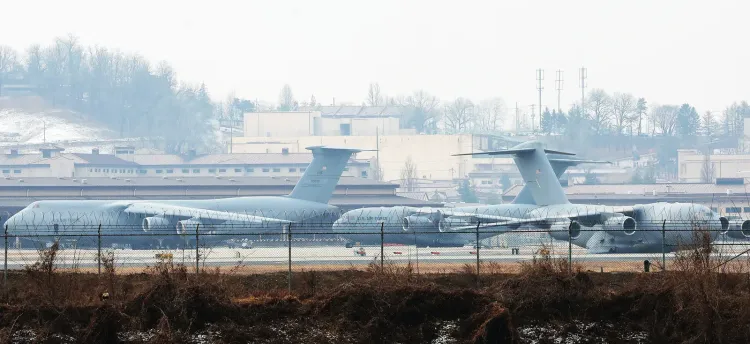
USFK confirmed on 6 August that no white phosphorus was found at Osan Air Base in Pyeongtaek, South Korea .
Residue discovered during a 28 July routine munitions inspection was identified as non-hazardous surface corrosion from environmental exposure.
The Pyeongtaek city government had issued a public emergency alert on 28 July ; the evacuation advisory was lifted 36 minutes later.
The US military described the incident as a 'ground mishap' and reported the substance was approximately 80 per cent diluted .
No injuries have been reported; base operations are proceeding normally.
US Forces Korea (USFK) confirmed on Thursday, 6 August that no white phosphorus was detected at Osan Air Base in Pyeongtaek, South Korea, following an emergency public alert issued by local authorities on 28 July over a suspected chemical leak at the facility. The all-clear comes after thorough inspection and laboratory testing of residue found during a routine munitions check.
What the Inspection Found
The USFK disclosed its findings directly on the Osan Air Base website, stating that the crystallisation and residue identified during the 28 July inspection were neither white phosphorus nor contained any traces of it. 'After follow-on analysis, we are confident that the residue was non-hazardous surface corrosion resulting from environmental exposure over time,' the statement read.
Emergency response professionals were deployed immediately to ensure full containment of the munitions in question. Base operations have since returned to normal, and no injuries have been reported.
How the Alert Unfolded
The sequence began when the US military reported a potential issue to the Pyeongtaek city government, which then issued a public emergency alert on 28 July, notifying residents of a possible white phosphorus leak. Officials at the time said the substance had reportedly leaked from two munitions, though the exact quantity released was not confirmed.
The US military described the incident as a 'ground mishap,' cordoned off the affected area, and informed city authorities that the leaked substance had been roughly 80 per cent diluted, posing a low risk to public health and the surrounding environment. Pyeongtaek authorities lifted the evacuation advisory approximately 36 minutes after the initial alert, telling residents it was safe to resume normal activity.
Why White Phosphorus Triggered Alarm
White phosphorus is an acutely toxic chemical compound capable of burning human tissue down to the bone on contact. Its military use is tightly regulated and widely discouraged under international humanitarian law, making any suspected leak at a military installation a matter of immediate public concern.
The proximity of Osan Air Base to civilian residential zones in Pyeongtaek amplified community anxiety, as the city has long hosted a significant US military presence. This is not the first time the base has faced scrutiny over hazardous materials — the episode adds to a history of environmental and safety concerns raised by local residents regarding US military installations in South Korea.
USFK Statement on Community Trust
'We deeply value the trust of our Pyeongtaek neighbours and are committed to keeping everyone safe, informed and updated,' the USFK said in its official statement. The command emphasised that its response was immediate and that containment procedures were completed without incident.
With the inspection concluded and results public, attention now turns to whether Pyeongtaek authorities and community groups will seek independent verification of the findings, given the sensitivity of the substance involved.
Point of View
But the episode exposes a structural communication gap: a US military report triggered a South Korean city-government alert that caused public panic for 36 minutes before being walked back. That sequence — military to municipality to public, without a coordinated joint messaging protocol — is the real story. White phosphorus scares near civilian zones demand a faster, bilingual, jointly issued response framework, not sequential press releases. As South Korea's base-hosting debate remains politically charged, incidents like this — even when resolved cleanly — erode the community trust that USFK says it values.
NationPress
21 Sept 2026
Frequently Asked Questions
Was white phosphorus actually found at Osan Air Base?
No. USFK confirmed after thorough inspection and testing that the residue found during a 28 July routine munitions check was not white phosphorus. It was identified as non-hazardous surface corrosion caused by environmental exposure over time.
What triggered the emergency alert in Pyeongtaek on 28 July?
The US military reported a potential white phosphorus leak from two munitions to the Pyeongtaek city government, which then issued a public emergency alert. The evacuation advisory was lifted about 36 minutes later after containment measures were completed at the base.
What is white phosphorus and why is it dangerous?
White phosphorus is a highly toxic chemical compound that can burn human tissue down to the bone on contact. Its military use is tightly regulated and widely discouraged under international humanitarian law, making any suspected leak near civilian areas a serious public health concern.
Was there any risk to Pyeongtaek residents?
According to the US military, the substance involved had been roughly 80 per cent diluted and posed a low risk to public health and the surrounding environment. No casualties or injuries have been reported, and the evacuation advisory was lifted within 36 minutes.
What happens next after the USFK inspection?
USFK has published its findings on the Osan Air Base website and stated that base operations are proceeding normally. It remains to be seen whether Pyeongtaek authorities or community groups will seek independent verification of the inspection results given the sensitivity of the materials involved.