PoK elections and West's selective silence on Pakistan's democratic record
Synopsis
A geopolitical expert's analysis in the Times of Israel lays bare a decades-old pattern: Western governments that loudly condemn flawed elections elsewhere in South Asia have repeatedly given Pakistan a pass. With PoK's latest elections drawing fresh allegations of manipulation and Imran Khan still in prison, the argument that Islamabad's Kashmir position rests on democratic legitimacy is looking increasingly hollow.
Key Takeaways
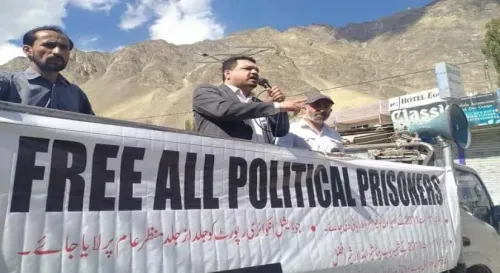
Elections in Pakistan-occupied Kashmir (PoK) have drawn fresh allegations of voter intimidation, manipulation, and arrests of political workers.
Italian geopolitical expert Sergio Restelli , writing in the Times of Israel , argues that Western governments have long granted Pakistan a 'strategic exemption from accountability.' Restelli notes that Imran Khan remains imprisoned, press freedom has contracted, and the political opposition operates under police pressure inside Pakistan.
He argues that disputed elections in PoK are not anomalies but reflect a system 'functioning exactly as designed.' The analysis warns that Western silence on rigged elections damages credibility and emboldens authoritarian governments with perceived strategic value.
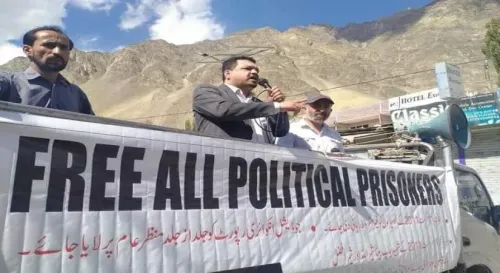
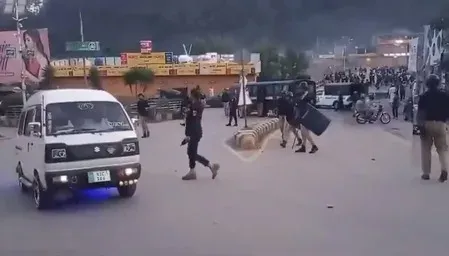
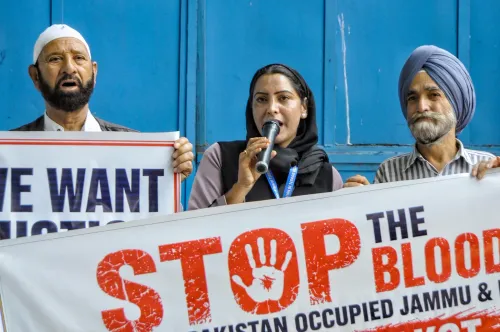
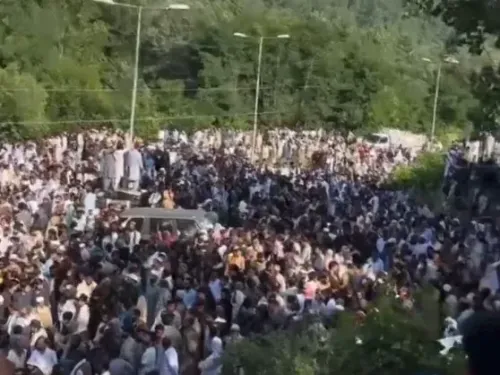
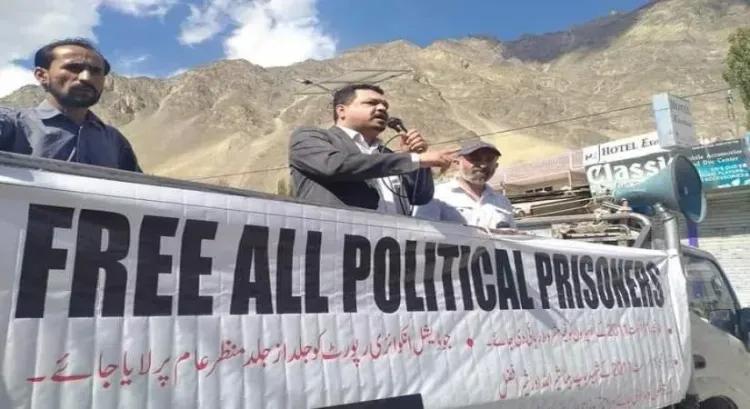
The legislative elections in Pakistan-occupied Kashmir (PoK) have once again drawn attention for alleged electoral malpractice, with opposition parties accusing Pakistani authorities of manipulation, voter intimidation, and the arrest of political workers. According to a report, the deeper concern is not any isolated allegation but a persistent pattern — one that has left many voters convinced that outcomes are determined well before polling day.
A Familiar Pattern of Allegations
The charges levelled against the conduct of elections in PoK are not new. Opposition groups have repeatedly pointed to what they describe as systematic interference by Islamabad in the territory's electoral processes. Reports of intimidation of voters and the detention of political activists have surfaced across multiple election cycles, reinforcing what critics call a structurally compromised democratic environment.
West's Double Standard Under the Lens
Sergio Restelli, an Italian political advisor, author, and geopolitical expert, writing in the Times of Israel, argued that the contrast in Western responses is difficult to overlook. While Western governments have been swift to condemn flawed elections elsewhere in South Asia, Pakistan has, according to Restelli, long enjoyed a 'strategic exemption from accountability.'
'What that buys is a strategic exemption from accountability. Strategic exemptions have a way of becoming habits. Cold War Pakistan ran on the same logic: military governments, repeated interventions, an ally of convenience. After September 11 it happened again. Pakistan was essential to the war on terror, and the demands of democratic accountability slipped down the list of priorities. The pattern is old enough that nobody in Islamabad needs to be told how it works,' Restelli wrote.
He further noted that Imran Khan remains in prison, the courts have grown 'cautious of their own rulings,' press freedom has contracted since the last election cycle, and the political opposition continues to operate under police pressure — all markers of a deteriorating democratic space within Pakistan itself.
PoK as a Symptom, Not an Anomaly
Restelli argued that against this backdrop, a disputed election in PoK is not an aberration but 'the system functioning exactly as designed.' He stressed that the erosion of political legitimacy in the occupied territory makes it increasingly difficult for Islamabad to claim, on the international stage, that its position in the broader Kashmir dispute rests on democratic representation.
This, he noted, carries a tangible global cost — one that extends beyond the territory itself and into Pakistan's credibility as a democratic partner.
The Cost of Quiet Acceptance
Restelli drew a direct line between Western silence and broader geopolitical damage. 'Quiet acceptance has a market price. Every muted response to a stolen election tells the next government in line that the rules only apply when they suit the great powers. That damages Western credibility in places already sceptical. It also tells would-be authoritarians who think they have strategic value that the value will keep them safe,' he wrote.
He urged Western policymakers to recognise what he described as a lesson they already know: 'A partnership that requires turning a blind eye to rigged elections is weaker, not stronger, than one that doesn't. Security cooperation and democratic accountability pull in the same direction when a partner is willing. They tear against each other when the partner isn't.'
Implications for the Kashmir Dispute
The analysis underscores a broader argument — that electoral malpractice in PoK is not merely a local governance failure but a variable in the international legitimacy of Pakistan's claims over the disputed territory. As democratic norms erode within Pakistan and its administered regions, the argument that its position reflects the will of the people becomes harder to sustain before global forums. How Western capitals respond — or choose not to — will continue to shape that calculus.
Point of View
And each iteration — post-9/11, post-Abbottabad, now post-Imran — has deepened the habit. What mainstream coverage tends to miss is the second-order cost: when Western governments stay quiet about PoK's electoral farce, they also weaken their own hand in any future multilateral forum on Kashmir. Islamabad cannot credibly invoke democratic representation in a territory where elections are widely seen as pre-decided. The West's silence does not just protect Pakistan — it quietly hollows out the very normative framework Western capitals claim to champion.
NationPress
16 Sept 2026
Frequently Asked Questions
What happened in the latest PoK elections?
The legislative elections in Pakistan-occupied Kashmir (PoK) were accompanied by allegations of electoral malpractice, including voter intimidation, manipulation by Pakistani authorities, and the arrest of political workers. According to reports, a persistent pattern of such allegations has led many voters to believe that outcomes are determined before polling begins.
Why are Western governments being criticised over PoK elections?
Geopolitical expert Sergio Restelli argues that Western governments have been quick to condemn flawed elections elsewhere in South Asia but have consistently given Pakistan a pass — a 'strategic exemption' rooted in Cold War alliances and post-9/11 counter-terrorism priorities. Critics say this double standard undermines Western credibility on democratic accountability.
Who is Sergio Restelli and what did he write?
Sergio Restelli is an Italian political advisor, author, and geopolitical expert who wrote an analysis in the Times of Israel examining Western silence on Pakistan's democratic record. He argued that disputed elections in PoK reflect a system designed to produce predetermined outcomes, and that Western acquiescence carries a measurable cost to global democratic norms.
How does electoral malpractice in PoK affect the Kashmir dispute?
According to Restelli, the erosion of political legitimacy in PoK makes it increasingly difficult for Islamabad to argue internationally that its position in the Kashmir dispute is grounded in democratic representation. Flawed elections undercut Pakistan's ability to invoke the will of the people as a justification in global forums.
What is the broader democratic situation inside Pakistan?
Restelli notes that Imran Khan remains in prison, courts have grown cautious of their own rulings, press freedom has contracted since the last election cycle, and the political opposition operates under police pressure — all indicators of a deteriorating democratic environment within Pakistan itself.