White House Says Border Security Should Not Be Controversial
Synopsis
The White House posted on June 10, 2026, that border security and keeping Americans safe 'shouldn't be controversial,' reinforcing a firm enforcement stance ahead of expected congressional debates over FY2027 border appropriations and potential new executive orders.
Key Takeaways
The White House posted on June 10, 2026 that border security and keeping Americans safe should not be controversial.
The US-Mexico border spans approximately 1,954 miles and has been the central focus of US land-border enforcement for decades.
The Secure Fence Act of 2006 authorised physical barriers along up to 700 miles of the southern border.
A bipartisan Senate immigration reform bill passed in 2013 with border-security provisions but was never taken up by the House.
Congressional action on FY2027 border-security appropriations is the next key legislative milestone to watch.
Public polling has long shown majority support for stronger enforcement, though views on specific tools remain sharply partisan.
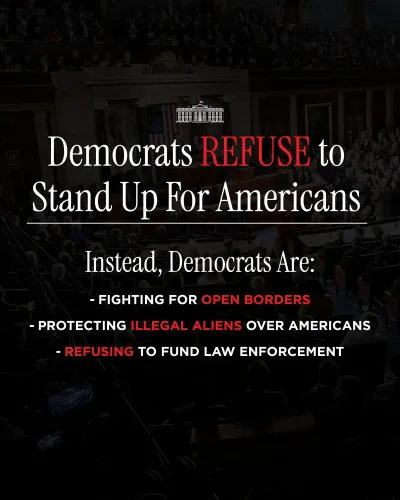
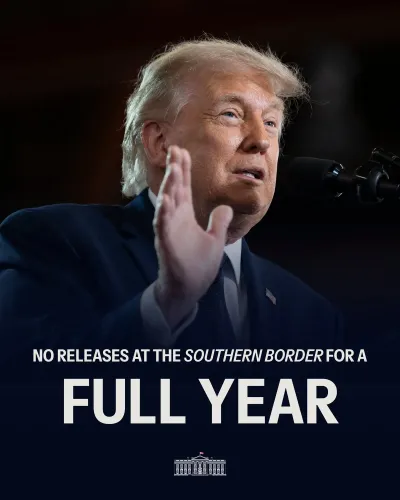
The White House, the official communications account of the Executive Office of the President of the United States, posted a pointed statement on X on Wednesday, June 10, 2026, asserting that border security and keeping Americans safe should not be matters of political dispute.
The post read: 'Border security and keeping Americans safe shouldn't be controversial.' The brief but pointed message signals the administration's framing of immigration enforcement as a baseline public-safety obligation rather than a partisan position.
Context
The statement arrives as US border policy remains one of the most contested issues in American politics. The US-Mexico border stretches approximately 1,954 miles and has been the focal point of enforcement debates for decades. Successive administrations have cycled through physical barriers, surveillance technology, and personnel surges as primary tools.
The Department of Homeland Security (DHS), established in 2002, consolidates border enforcement, immigration control, and counterterrorism under one cabinet department. Its component agency, Customs and Border Protection (CBP), is the frontline body responsible for securing ports of entry and patrolling the southern boundary.
Policy Backdrop
The legislative history of US border security stretches back well over two decades. The Secure Fence Act of 2006 authorised construction of physical barriers along up to 700 miles of the southern border, establishing a precedent for federally mandated infrastructure investment. Annual appropriations bills since the mid-2000s have continued funding for border personnel and technology.
A significant bipartisan Senate immigration reform package passed in 2013 included substantial border-security provisions, but the legislation was never taken up by the House of Representatives, illustrating the persistent difficulty of translating broad public support into durable law. Public polling has consistently shown majority support for stronger enforcement measures, even as views on specific tools diverge sharply along party lines.
Stakeholders and Impact
Border communities, law enforcement agencies, and migrant populations are the groups most directly affected by shifts in enforcement policy. Local governments along the southern border have at various times both welcomed federal resources and raised concerns about the humanitarian implications of aggressive enforcement postures.
For Indian-Americans and the broader South Asian diaspora navigating US immigration pathways, border-security debates often intersect with visa backlogs, employment-based immigration queues, and broader legislative gridlock. Any significant shift in enforcement priorities can have downstream effects on the legislative bandwidth available for comprehensive immigration reform.
What's Next
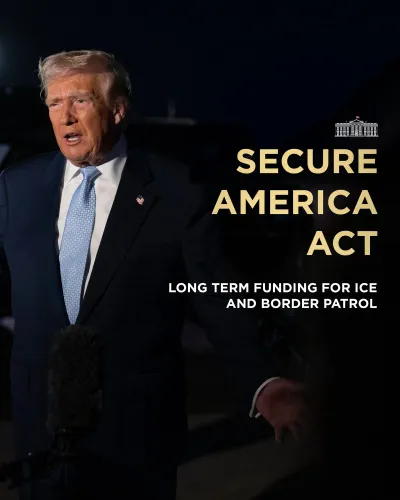
Congressional attention is expected to turn toward FY2027 border-security appropriations, where the administration's posture on enforcement will be tested against competing budget priorities. The possibility of new executive orders expanding enforcement authorities also remains on the table.
The White House's framing of border security as a non-controversial, common-sense issue is likely a deliberate rhetorical strategy ahead of those legislative battles, positioning any opposition as outside the mainstream of American public opinion.
Point of View
Designed to shift the burden of justification onto critics rather than defenders of enforcement. It echoes a long-running Republican strategy of treating immigration enforcement as a baseline public-safety issue, insulating it from being labelled as ideological. For Indian observers, the statement matters because US immigration gridlock — driven largely by this partisan divide — directly affects high-skilled visa queues and employment-based green card backlogs. The post's brevity is itself a signal: the administration is speaking to a domestic base, not opening a policy dialogue.
NationPress
26 Oct 2026
Frequently Asked Questions
Why did the White House say border security should not be controversial?
The White House posted on June 10, 2026 that border security and keeping Americans safe 'shouldn't be controversial,' framing enforcement as a basic public-safety obligation rather than a partisan issue, likely ahead of congressional debates on border funding.
What is the US-Mexico border's total length?
The US-Mexico border stretches approximately 1,954 miles and is the primary focus of American land-border enforcement efforts.
What is the Secure Fence Act of 2006?
The Secure Fence Act of 2006 is US legislation that authorised construction of physical barriers along up to 700 miles of the southern border to deter illegal crossings.
How does US border security policy affect Indians?
US border-security debates contribute to legislative gridlock that stalls comprehensive immigration reform, which in turn affects employment-based visa queues and green card backlogs that disproportionately impact Indian nationals.
What is the next big step in US border security policy?
Congressional action on FY2027 border-security appropriations and the possibility of new executive orders expanding enforcement authorities are the next key developments to watch.