White House Touts Voter Support for Trump Iran Peace Deal
Synopsis
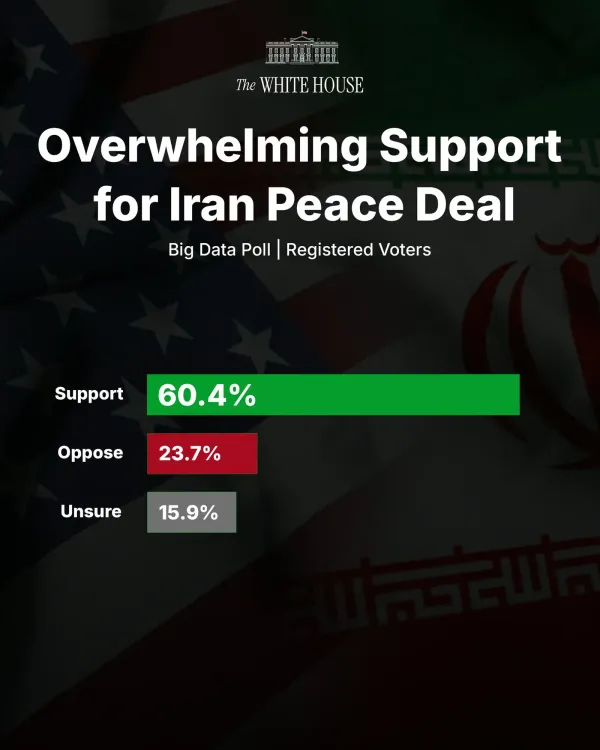
The White House posted on 20 July 2026 asserting that voters 'overwhelmingly' support a Trump Iran Peace Deal, invoking public opinion to build political momentum for what the administration is framing as a landmark diplomatic achievement toward Tehran.
Key Takeaways
The White House posted on 20 July 2026 claiming voters 'overwhelmingly' support a Trump Iran Peace Deal .
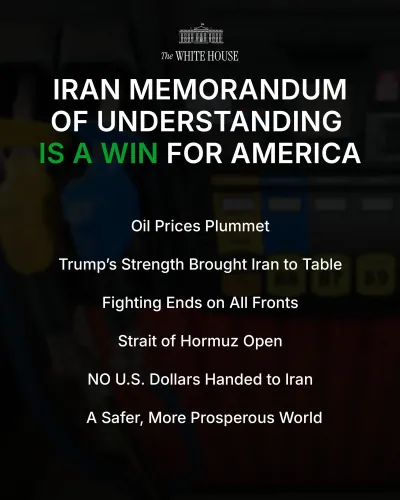
The post frames the agreement as a personal achievement of President Donald Trump , tying his name directly to the deal's branding.
Trump withdrew the US from the JCPOA in 2018 and imposed a maximum pressure sanctions campaign on Iran .
No polling methodology, sample size, or deal terms were specified in the White House post.
Regional stakeholders including Israel , Gulf states , and India are likely to watch any formal agreement closely for implications on security and trade.
Congressional action on Iran sanctions will be a key test of whether any deal can be institutionalised beyond executive authority.
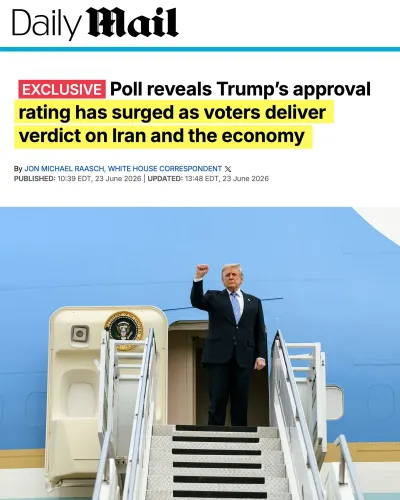
The White House, the official communications account of the Executive Office of the President of the United States, posted on X on Monday, 20 July 2026, claiming that voters 'overwhelmingly' support what it described as a Trump Iran Peace Deal, framing public opinion as a mandate for the administration's diplomatic approach toward Tehran.
Context
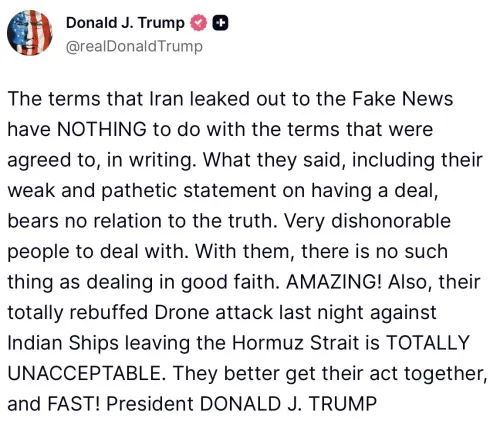
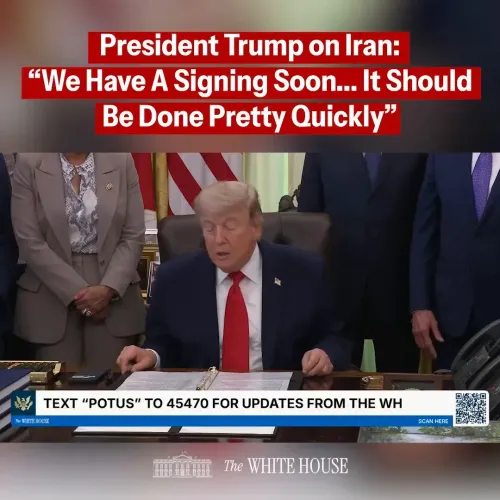
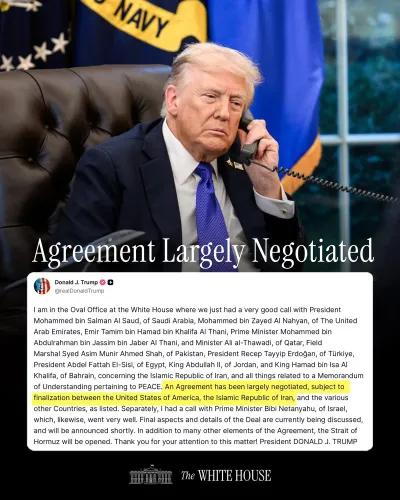
The post, carrying the headline 'TRUST IN TRUMP: Voters Overwhelmingly Support Iran Peace Deal,' signals that the Trump administration is actively seeking to build domestic political legitimacy for a reported diplomatic agreement with Iran. The framing ties voter confidence directly to President Donald Trump by name, suggesting the deal is being positioned as a personal foreign-policy achievement rather than a multilateral outcome.
No independent details of the agreement's terms, the polling methodology, or the sample size were included in the post. The White House did not specify which polling organisation conducted the survey or when it was fielded.
Policy Backdrop
Trump, during his first term, withdrew the United States from the Joint Comprehensive Plan of Action (JCPOA) in 2018, the multilateral nuclear agreement concluded in 2015 between Iran and the P5+1 powers — the five permanent members of the UN Security Council plus Germany. That withdrawal was followed by a 'maximum pressure' sanctions campaign intended to force Tehran back to the negotiating table on broader terms.
US policy toward Iran has historically swung between multilateral engagement and unilateral economic pressure across successive administrations. Public opinion on Iran-related diplomacy has remained sharply divided along partisan lines since the original JCPOA debate, making the White House's emphasis on 'overwhelming' voter support a notable rhetorical move.
Stakeholders and Impact
For American voters, any Iran agreement carries implications for regional security, energy markets, and the risk of military escalation in the Middle East. Israel and Gulf states have historically scrutinised US-Iran diplomatic contacts closely, given concerns about Iran's nuclear programme and its regional influence.
For India, which has maintained strategic and energy ties with both the United States and Iran, a diplomatic settlement could reopen questions about trade routes, energy imports, and the future of the Chabahar port project. New Delhi has consistently advocated for dialogue over confrontation in resolving the Iran nuclear question.
What's Next
Congressional action on Iran-related sanctions or appropriations will be a key indicator of whether the reported agreement can be institutionalised beyond executive action. Any follow-on diplomatic contacts between Washington and Tehran, or reactions from regional partners such as Israel and Saudi Arabia, will shape the durability of the deal.
The White House's decision to lead with domestic polling data rather than policy specifics suggests the administration is preparing the political ground ahead of a more detailed public rollout. Observers will watch for formal congressional briefings, treaty-related disclosures, or joint statements with Iranian counterparts in the days ahead.
Frequently Asked Questions
What is the Trump Iran Peace Deal?
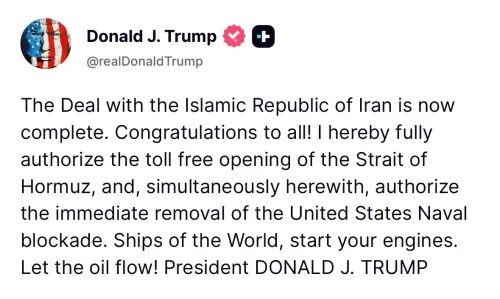
The Trump Iran Peace Deal refers to a reported diplomatic agreement between the United States and Iran that the White House announced on 20 July 2026 . Specific terms of the deal had not been publicly detailed at the time of the post.
Did Trump not pull out of the Iran nuclear deal earlier?
Yes. President Trump withdrew the US from the JCPOA — the 2015 multilateral Iran nuclear agreement — in 2018 and reimposed sweeping sanctions on Tehran as part of a 'maximum pressure' campaign.
What do US voters think about the Iran deal?
The White House claimed on 20 July 2026 that voters 'overwhelmingly' support the deal, but did not disclose the polling organisation, methodology, or sample size behind that claim.
How does a US-Iran deal affect India?
India has strategic and energy interests tied to both the United States and Iran , including the Chabahar port project. A diplomatic settlement could reopen avenues for Indian trade and energy imports that were constrained by US sanctions.
What happens next with the Iran peace deal in the US Congress?
Congressional action on Iran-related sanctions or appropriations will be a critical test. Lawmakers will need to be briefed on any agreement, and sanctions relief — if part of the deal — would likely require legislative action or executive waivers.