Kerala CM Satheesan at 100 days: Borrowing rises, revenue targets set
Synopsis
V.D. Satheesan spent years in opposition attacking Kerala's borrowing-driven finances — now, 100 days as Chief Minister, his own Budget projects borrowings rising to ₹1.92 lakh crore. The White Paper diagnosed the problem, the Budget has set targets, but actual revenue gains remain unproven. The fiscal credibility test is only beginning.
Key Takeaways
Satheesan completes 100 days in office also holding the Finance portfolio.
The state's White Paper pegged total liabilities at ₹5.07 lakh crore , attributed to the previous Pinarayi Vijayan government.
Kerala's gross borrowings are projected to rise to ₹1.92 lakh crore in 2026-27 , up from ₹1.70 lakh crore in the previous year's revised estimate.
The government targets an 18% rise in own tax revenue to ₹99,002 crore this financial year.
A committee has been set up to review the financial structure of KIIFB , the off-budget infrastructure body flagged in the White Paper.
No verified data on actual additional revenue collected in the first 100 days has been made public.
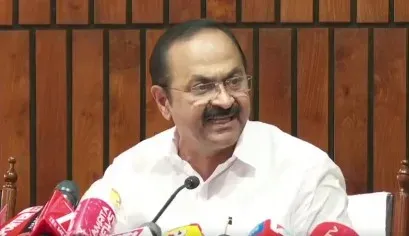
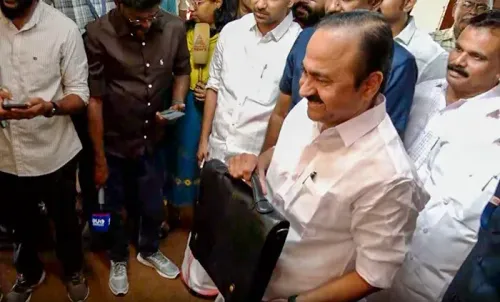
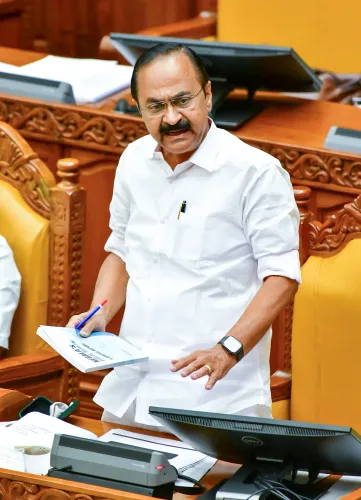
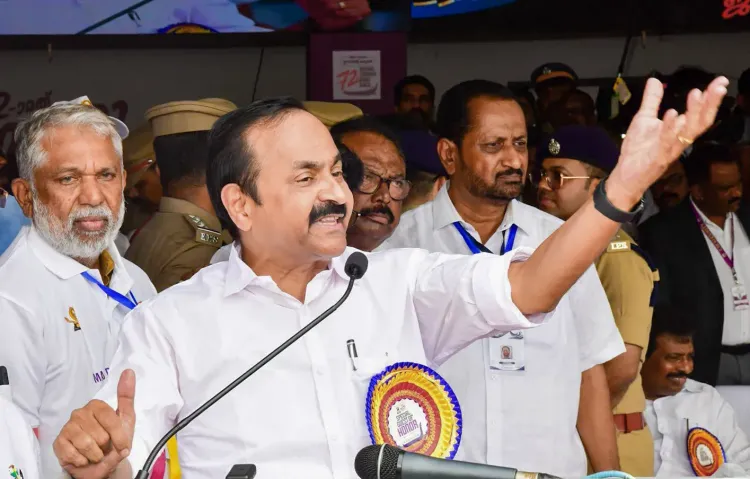
Kerala Chief Minister V.D. Satheesan, who also holds the Finance portfolio, completes 100 days in office facing the same fiscal pressure he once used to corner his predecessor — the state's deep dependence on borrowing. His government's own first Budget projects gross borrowings of ₹1.92 lakh crore in 2026-27, up from approximately ₹1.70 lakh crore in the revised estimate for the previous year, raising pointed questions about whether a change in government has translated into a change in financial direction.
The Inherited Fiscal Burden
One of the new government's earliest acts was to release a White Paper detailing what it described as a difficult financial legacy left by the Pinarayi Vijayan administration. The document pegged Kerala's total liabilities at ₹5.07 lakh crore. It noted that a substantial portion of the state's revenues was already locked into salaries, pensions, interest payments, and other committed expenditures, leaving little fiscal space for development spending.
Satheesan had, during his years in opposition, repeatedly argued that Kerala could not sustain a model of borrowing to finance routine day-to-day expenses. That critique now applies, at least partly, to his own administration's first full Budget.
Revenue Targets: Ambitious but Unproven
The government has set an ambitious target of raising its own tax revenue by 18 per cent to ₹99,002 crore in the current financial year. It expects higher collections from GST, property registration, excise duties, and other tax heads. Steps have also been announced to recover tax arrears, address undervaluation of property, and tighten collection mechanisms.
Notably, however, these remain targets and announced measures. As of the 100-day mark, there is no publicly available data on how much additional revenue has actually been collected against these goals. The real test of fiscal consolidation lies in outcomes, not intentions.
KIIFB Under the Scanner
The government has also moved to examine the future of the Kerala Infrastructure Investment Fund Board (KIIFB), the off-budget infrastructure financing body that drew sharp criticism in the White Paper. A committee has been constituted to review KIIFB's financial structure and recommend reforms. This signals a recognition that off-balance-sheet liabilities contributed significantly to the state's debt burden — though concrete restructuring steps are yet to emerge.
The Structural Problem Remains
Kerala's core fiscal constraint — that committed expenditure on salaries, pensions, and interest payments consumes the bulk of its revenues — has not changed in 100 days, and was unlikely to. This structural imbalance means the government has limited headroom to fund new capital or development expenditure without resorting to borrowing.
Critics argue that a higher gross borrowing figure in the first Budget, even if framed as transitional, undermines the narrative of a clean break from the previous government's fiscal approach. Supporters counter that borrowing levels alone are insufficient to judge fiscal health — the quality of spending and trajectory of own revenues matter equally.
What the Coming Months Will Reveal
The White Paper served as the diagnosis. The 2026-27 Budget has offered a prescription. Whether CM Satheesan can demonstrably grow Kerala's own revenue base, contain committed expenditure growth, and begin reducing the state's structural debt dependence will only become clear as the financial year progresses. The standard he set in opposition is now the standard by which his own government will be measured.
Point of View
And without mid-year revenue data, it is impossible to assess whether the trajectory has genuinely shifted. The KIIFB review is a meaningful signal, but committees are not reforms. Kerala's structural problem — committed expenditure crowding out capital spending — will not yield to announcements alone. The next two quarters of actual revenue collection will tell us whether this government is managing a narrative or managing a balance sheet.
NationPress
26 Aug 2026
Frequently Asked Questions
What is Kerala's total debt liability according to the White Paper?
The White Paper released by the Satheesan government pegged Kerala's total liabilities at ₹5.07 lakh crore, attributed to the fiscal legacy of the previous Pinarayi Vijayan administration. The document noted that a large share of state revenues was already committed to salaries, pensions, and interest payments.
Has Kerala's borrowing decreased under CM Satheesan?
No, not yet. Kerala's gross borrowings are projected at ₹1.92 lakh crore in 2026-27, up from approximately ₹1.70 lakh crore in the previous year's revised estimate. The government has framed higher revenue targets as the path to reducing borrowing dependence over time.
What is Kerala's tax revenue target for 2026-27?
The Satheesan government has targeted an 18% increase in its own tax revenue to ₹99,002 crore for 2026-27, with expected gains from GST, property registration, excise duties, and improved tax arrear recovery. However, actual collections against this target have not yet been publicly reported.
What is KIIFB and why is it under review?
The Kerala Infrastructure Investment Fund Board (KIIFB) is an off-budget body used to finance infrastructure projects. The White Paper criticised its financial structure as a contributor to the state's debt burden, and the Satheesan government has constituted a committee to review KIIFB and recommend reforms.
Why does Kerala face a structural borrowing problem?
A large proportion of Kerala's revenue is pre-committed to salaries, pensions, and interest payments, leaving limited funds for development expenditure without additional borrowing. This structural imbalance has persisted across governments and cannot be resolved quickly, regardless of fiscal intent.