Fadnavis targets 70 km of Mumbai Metro by 2027, calls it 'Metro Year'
Synopsis
Maharashtra CM Devendra Fadnavis has declared 2027 as 'Metro Year' for Mumbai, setting a 70 km Metro completion target and warning contractors of blocklisting for delays. With multiple lines simultaneously under review — from Metro Line 2B to Line 9 — the War Room directive signals an urgent push to transform years of infrastructure lag into a concrete delivery record before the political calendar tightens.
Key Takeaways
Maharashtra CM Devendra Fadnavis declared 2027 as 'Metro Year' on 5 October 2026 , targeting at least 70 km of completed Metro routes.
The existing December 2026 target of 36 km of Metro lines has been raised to 50 km .
At least 50 per cent of project work must rely on mechanisation to counter labour shortages and accelerate timelines.
The Sewri-Worli Elevated Corridor is to be completed and opened before 31 May 2027 .
Contractors who miss deadlines face blocklisting ; agencies including MMRDA and BMC have been directed to update underground utility maps.
Legal and land possession issues on Metro Line 6 (Swami Samarth Nagar to Vikhroli) have been flagged for expedited resolution.
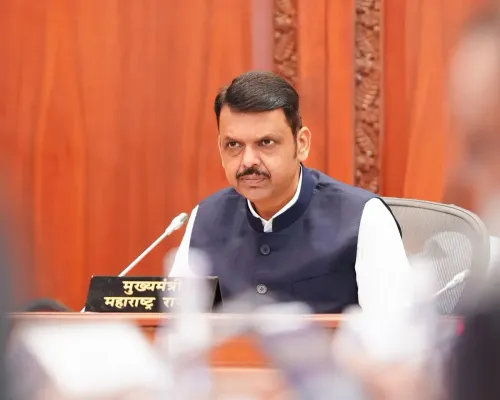
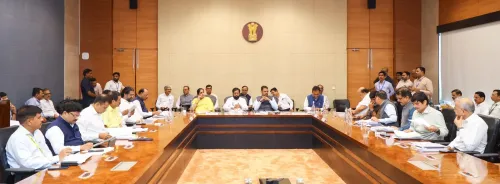
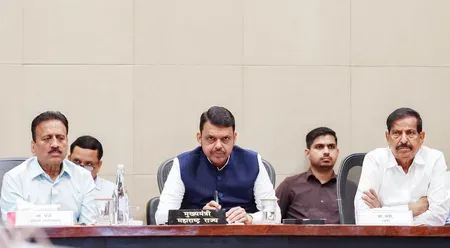
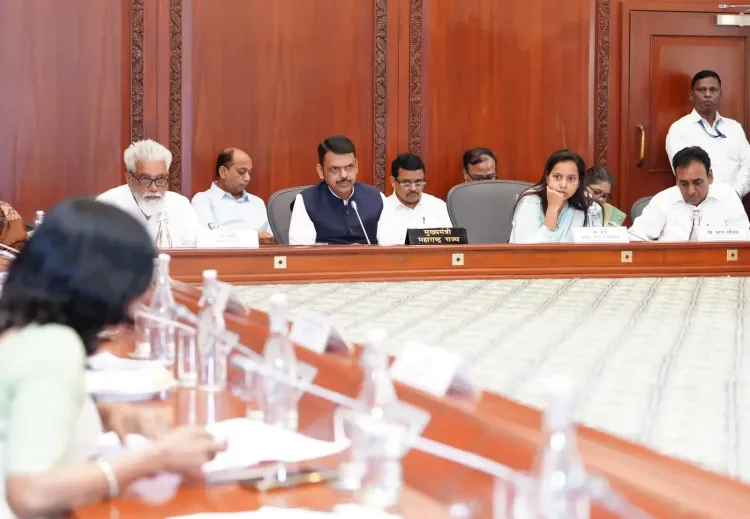
Maharashtra Chief Minister Devendra Fadnavis on Monday, 5 October 2026, directed infrastructure agencies to designate 2027 as 'Metro Year' for Mumbai — setting a target of completing at least 70 km of Metro routes within that deadline. The directive came during a high-level Chief Minister's War Room meeting convened to review the progress of major infrastructure projects across the state.
Expanded Metro Targets
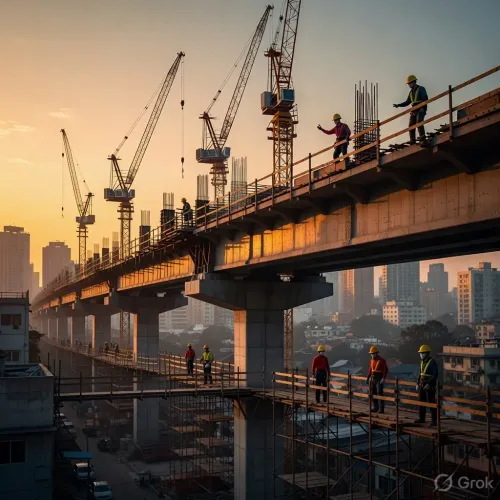
Fadnavis instructed agencies to first accelerate the existing goal of completing 36 km of Metro lines by December 2026, raising it to 50 km, before pushing toward the 70 km milestone for the full year 2027. He stressed that at least 50 per cent of project work must rely on mechanisation to keep timelines on track and address persistent labour shortages.
On Metro Line 2B (D.N. Nagar to Chembur), the Chief Minister called for specially planned 12-hour road blocks on Sundays, wherever necessary, to complete girder installation near Juhu Circle. He specified that further road blocks should be decided only after assessing progress, with minimal disruption to commuters.
Key Infrastructure Deadlines
Fadnavis directed that the Sewri-Worli Elevated Corridor connection be completed and opened to the public before 31 May 2027. He also called for immediate technology-driven solutions to ease traffic bottlenecks at Vakola Junction and congestion hotspots along the Western Express Highway.
The Chief Minister further directed the Mumbai Metropolitan Region Development Authority (MMRDA), the Brihanmumbai Municipal Corporation (BMC), and other agencies to maintain updated mapping of underground utility networks — with data made easily accessible during project execution to reduce delays. He also called for the establishment of an independent safety management company at active construction sites, mandating guidance boards and barricades to protect both citizens and workers.
Metro Lines Under Review
The War Room meeting covered multiple critical corridors: Metro Line 9 (Dahisar East to Mira-Bhayander), Metro Line 5 (Thane to Dhamankar Naka and Kasheli Depot), Metro Line 2B (D.N. Nagar to Diamond Garden-Mandale), and Metro Line 6 (Swami Samarth Nagar to Vikhroli). For Metro Line 6, Fadnavis directed officials to expedite legal proceedings and resolve pending land possession issues.
Contractor Accountability and Chhatrapati Sambhajinagar Water Supply
In a firm warning to contractors, Fadnavis said those who delay projects or fail to meet deadlines would face blocklisting. He emphasised that contractors must actively achieve project targets, not merely complete routine work.
Reviewing the Chhatrapati Sambhajinagar City Water Supply Scheme, the Chief Minister directed that every household receive a tap connection, with planning structured to avoid repeated road excavation during the laying of connections.
What's Next
With multiple metro corridors simultaneously under construction and fresh mechanisation mandates now in place, the coming months will test whether Mumbai's infrastructure machinery can match the Chief Minister's accelerated timelines. The December 2026 milestone of 50 km will serve as the first concrete test of this ambitious push.
Point of View
But Mumbai's metro history is littered with missed milestones — several of the corridors now under review were supposed to be operational years ago. The jump from a 36 km to a 70 km target within a single review meeting raises legitimate questions about capacity, not just ambition. The mechanisation mandate is the right structural nudge, but without an independent audit mechanism and credible penalty enforcement, the blocklisting threat risks being another rhetorical deterrent. The real test arrives in December 2026, when the 50 km checkpoint will reveal whether this War Room meeting translated into on-ground velocity.
NationPress
5 Oct 2026
Frequently Asked Questions
What is Maharashtra CM Fadnavis's 'Metro Year' plan for 2027?
'Metro Year' is a directive issued by Maharashtra Chief Minister Devendra Fadnavis on 5 October 2026, targeting the completion of at least 70 km of Mumbai Metro routes by 2027. The plan also raises the interim December 2026 milestone from 36 km to 50 km, backed by mandatory mechanisation of at least 50 per cent of project work.
Which Mumbai Metro lines are covered under this review?
The Chief Minister's War Room meeting covered Metro Line 2B (D.N. Nagar to Diamond Garden-Mandale), Metro Line 5 (Thane to Dhamankar Naka and Kasheli Depot), Metro Line 6 (Swami Samarth Nagar to Vikhroli), Metro Line 9 (Dahisar East to Mira-Bhayander), and the Sewri-Worli Elevated Corridor, among other infrastructure projects.
When will the Sewri-Worli Elevated Corridor open?
CM Fadnavis has directed that the Sewri-Worli Elevated Corridor connection be completed and opened to the public before 31 May 2027. Planning must also ensure traffic flow at new merger points with existing corridors.
What action will be taken against contractors who miss deadlines?
Fadnavis warned that contractors who delay projects or fail to complete them after deadlines expire will face blocklisting. He emphasised that contractors must actively achieve project targets rather than performing only routine work.
How will MMRDA and BMC coordinate on underground utility issues?
Fadnavis directed MMRDA, BMC, and other agencies to maintain updated mapping of underground utility networks and build a streamlined data-access system. The aim is to reduce project delays caused by unexpected utility conflicts during construction.