5 semiconductor plants to be operational in India by end of 2026
Synopsis
India is on track to have five semiconductor plants running by end-2026 — three already in commercial production and two more imminent. The CG SEMI facility in Sanand, built in 27 months with ₹7,600 crore and a Renesas Electronics partnership, is now exporting chips to Japan, the US, and Europe, and employing women operators from seven states who trained in Malaysia. India's chip ambition is moving from policy to production.
Key Takeaways
Five semiconductor plants are expected to be operational in India by the end of 2026 , according to Union Minister Ashwini Vaishnaw .
Of 12 approved semiconductor projects, three are in commercial production and two more inaugurations are imminent.
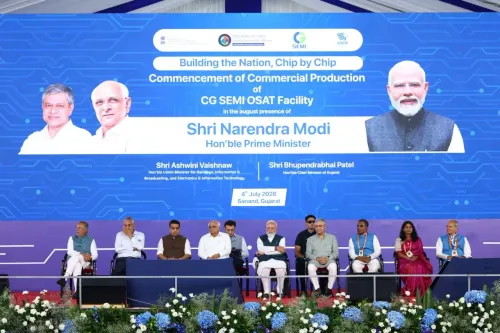
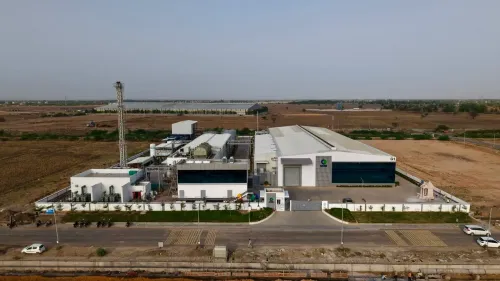
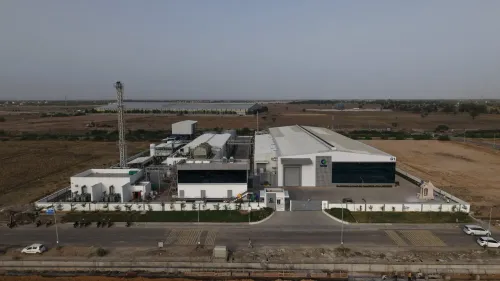
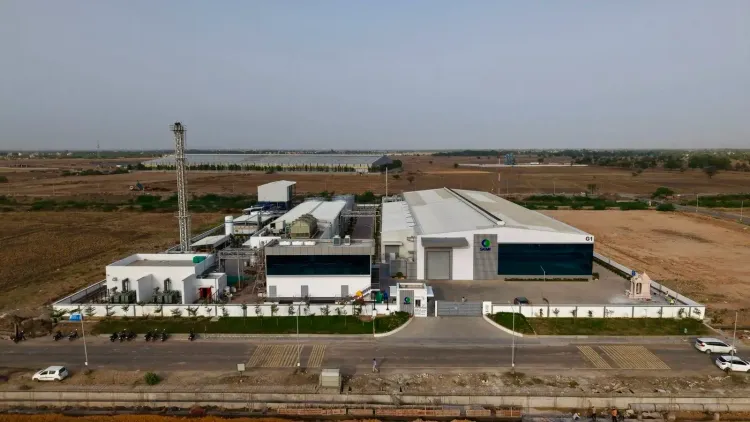
The CG SEMI (OSAT) plant in Sanand, Gujarat , moved from groundbreaking to commercial production in just 27 months , backed by an investment of over ₹7,600 crore .
The facility was built in partnership with Renesas Electronics, Japan , and exports chips to Japan , the US , and Europe .
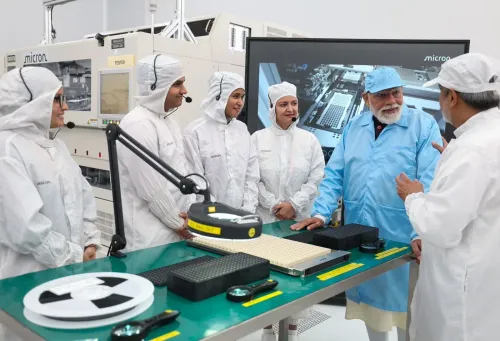
Women operators from seven states — including Jharkhand, Bihar, and Kerala — were trained in Malaysia to work at the plant.
India's electronics manufacturing sector is now worth close to ₹13 lakh crore , supporting over 25 lakh jobs .
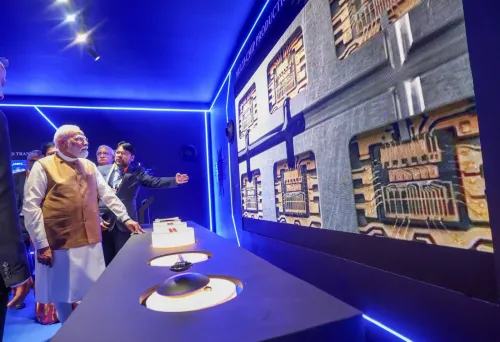
Five semiconductor plants are expected to be operational across India by the end of 2026, Union Minister Ashwini Vaishnaw said, marking a significant milestone in the country's push to build a self-reliant chip manufacturing ecosystem. Of the 12 semiconductor projects approved by the central government, three are already in commercial production, with two more set to be inaugurated in the coming months.
Key Developments
Prime Minister Narendra Modi had earlier launched India's first and second semiconductor plants on 28 February 2026 and 31 March 2026, respectively. The third facility — the CG SEMI (OSAT) plant in Sanand, Gujarat — has since moved into commercial production, further reinforcing global confidence in India's semiconductor capabilities, according to Vaishnaw.
'A robust semiconductor manufacturing ecosystem is taking shape under the Prime Minister's visionary leadership, one that will serve as the foundation for a developed India,' Vaishnaw said.
The CG SEMI Plant: From Groundbreaking to Production in 27 Months
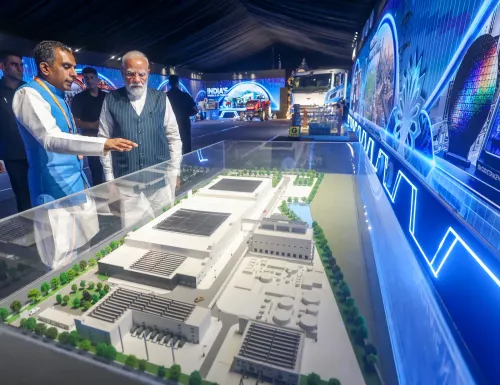
The CG SEMI facility in Sanand held its groundbreaking on 13 March 2024, with an investment of over ₹7,600 crore. It was built in partnership with Renesas Electronics, Japan, giving India access to global semiconductor technologies, manufacturing practices, and quality systems. The minister credited the Gujarat government's active cooperation for enabling the plant to move from groundbreaking to commercial production in just 27 months.
Chips manufactured at the facility will serve automobiles, scooters, and industrial equipment domestically, and will also be exported to Japan, the United States, and Europe — positioning India as a meaningful contributor to the global semiconductor supply chain.
Social Impact: Women Operators at the Forefront
Vaishnaw described the plant as not merely a technical achievement but also a symbol of social change. Young women from Jharkhand, Chhattisgarh, Madhya Pradesh, Bihar, Jammu & Kashmir, Kerala, and Gujarat are employed as operators at the facility, having undergone specialised training in Malaysia. The minister added that as India's semiconductor ecosystem matures, similar world-class training could increasingly be made available within the country itself.
India's Electronics Manufacturing Surge
India's electronics manufacturing sector has grown into an industry worth close to ₹13 lakh crore, supporting over 25 lakh jobs, according to the minister. The semiconductor push is seen as the next critical layer in reinforcing that base, moving India up the value chain from assembly to chip fabrication and packaging. Notably, this is the third major semiconductor-linked announcement in under six months, signalling that the Centre is accelerating execution timelines ahead of the 2026 deadline. With global supply chain diversification accelerating post-pandemic, India's window to establish itself as a credible alternative to established chip hubs remains open — but time-sensitive.
Point of View
Where the real strategic value lies. The Renesas partnership gives India process know-how, but technology transfer in semiconductors is rarely complete. The 27-month timeline for CG SEMI is genuinely impressive; sustaining that pace across all 12 projects, without the Gujarat government's unusually high execution capacity, is the real question the Centre has not yet answered publicly.
NationPress
3 Oct 2026
Frequently Asked Questions
How many semiconductor plants will be operational in India by end of 2026?
Five semiconductor plants are expected to be operational in India by the end of 2026, according to Union Minister Ashwini Vaishnaw. Of the 12 projects approved by the central government, three are already in commercial production and two more are set for inauguration in the coming months.
What is the CG SEMI plant in Sanand and why does it matter?
The CG SEMI (OSAT) plant in Sanand, Gujarat, is India's third semiconductor facility to reach commercial production. Built with an investment of over ₹7,600 crore in partnership with Renesas Electronics of Japan, it went from groundbreaking in March 2024 to production in just 27 months, and now exports chips to Japan, the US, and Europe.
Which states are providing workers for the Sanand semiconductor plant?
Young women from Jharkhand, Chhattisgarh, Madhya Pradesh, Bihar, Jammu & Kashmir, Kerala, and Gujarat are employed as operators at the CG SEMI facility in Sanand. They underwent specialised training in Malaysia before joining the plant.
How large is India's electronics manufacturing sector?
India's electronics manufacturing sector has grown to nearly ₹13 lakh crore in value and supports over 25 lakh jobs, according to Union Minister Ashwini Vaishnaw. The semiconductor push is intended to move India further up the value chain within this sector.
When did PM Modi launch India's first semiconductor plants?
Prime Minister Narendra Modi launched India's first semiconductor plant on 28 February 2026 and the second on 31 March 2026. The third facility, CG SEMI in Sanand, has since also entered commercial production.