What is the Breakdown of 91.46 Lakh 'Logical Discrepancy' Cases Reported by ECI in Bengal?
Synopsis
The Election Commission of India has revealed that 91.46 lakh cases of 'logical discrepancy' have been identified in West Bengal during the Special Intensive Revision. These cases highlight inconsistencies in family-tree data, raising questions about voter verification as the state prepares for upcoming Assembly elections.
Key Takeaways
91.46 lakhs of logical discrepancy cases identified in West Bengal.
Majority of discrepancies involve name mismatches with the 2002 list .
Significant categories include voters linked to a single father.
Upcoming elections will be impacted by these findings.
Formal communication from the Commission is pending.
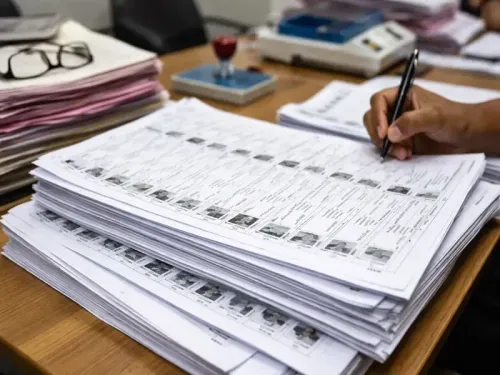
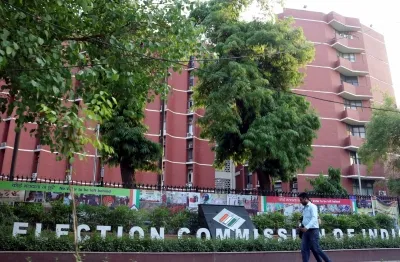
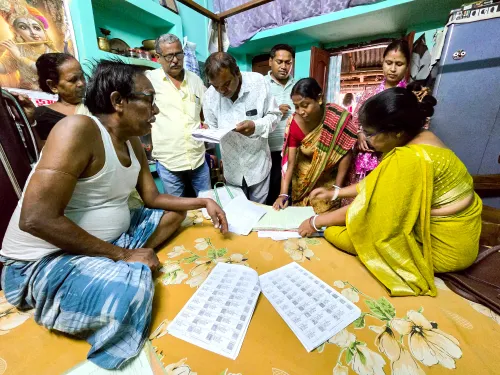
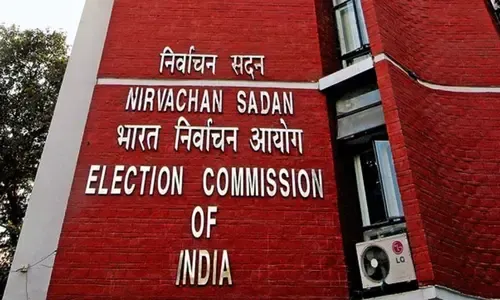
Kolkata, Jan 3 (NationPress) The Election Commission of India (ECI) has provided a detailed breakdown of the 91.46 lakh cases labeled as "logical discrepancy" that were uncovered during the ongoing Special Intensive Revision (SIR) in West Bengal through progeny-mapping.
Voters categorized under "logical discrepancy" are those whose records exhibit unusual family-tree data during the progeny mapping process.
Initially, at the conclusion of the enumeration phase—the first stage of the three-stage SIR exercise—the ECI had flagged 1.36 crore cases as "logical discrepancy". However, this number has been revised to 91.46 lakhs following a comprehensive review of the initial findings.
This figure of 91.46 lakhs is in addition to 58.20 lakhs of "excluded voters" and 30 lakhs of "unmapped" voters—individuals who could not establish a connection with the 2002 voters list via either self-mapping or progeny-mapping.
Currently, the Commission is reviewing the cases of these "unmapped" voters, with the next phase focusing on the "logical discrepancy" cases.
As per sources from the Chief Electoral Officer (CEO) of West Bengal, the majority of the 91.46 lakhs identified cases stem from discrepancies in names compared to the 2002 list, which accounted for 51 lakhs.
The second largest category involves 24 lakh cases where six or more voters are associated with a single father.
There are also 4.75 lakhs of voters with age differences of just 15 years or less than their fathers, and 8.41 lakhs of voters whose ages exceed their fathers by 50 years or more.
Moreover, there are three lakhs of voters whose age difference from their grandfather is 40 years or less.
The Trinamool Congress has urged that instead of leaking information to the press regarding these "logical discrepancy" cases, the Commission should release formal statements detailing the situation.
The draft voters' list for West Bengal was released on December 16 of last year, with the final list set to be published on February 4. Subsequently, the Commission will announce polling dates for the crucial upcoming Assembly elections in the state.
Point of View
The Election Commission's identification of 91.46 lakh cases of logical discrepancies raises significant concerns regarding electoral integrity. As the country prepares for the assembly elections in West Bengal, it is crucial to address potential issues in voter registration to ensure a transparent and fair democratic process.
NationPress
1 Oct 2026
Frequently Asked Questions
What are 'logical discrepancy' cases?
Logical discrepancy cases refer to voter records with unusual family-tree data identified during the progeny-mapping process.
How many logical discrepancy cases were initially reported?
Initially, the ECI reported 1.36 crore logical discrepancy cases, which have now been revised to 91.46 lakhs .
What is the significance of these findings?
These findings highlight potential inconsistencies in voter registration, raising concerns about the integrity of the electoral process in West Bengal.
When will the final voters' list be published?
The final voters' list for West Bengal will be published on February 4 .
What is the next step for the Commission regarding these cases?
The Commission is currently reviewing the cases of unmapped voters, after which it will address the logical discrepancy cases.