Kishau Project MoU signed: Shekhawati to get water via 3 pipelines
Synopsis
For 32 years, Rajasthan held a legal water allocation from the Yamuna but had no infrastructure to claim it. The Kishau Multipurpose Project MoU — signed by six states under Amit Shah's watch — is the first concrete step toward fixing that, promising 124 MCM to the water-scarce Shekhawati region through three underground pipelines at a cost of ₹15,000 crore.
Key Takeaways
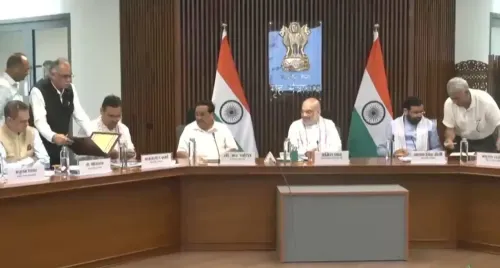
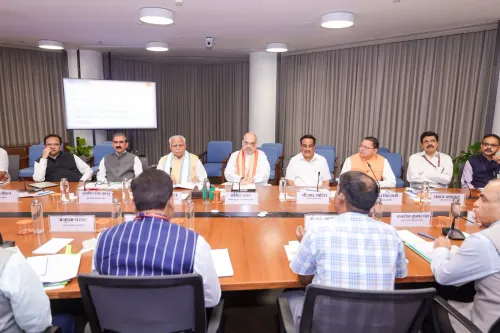
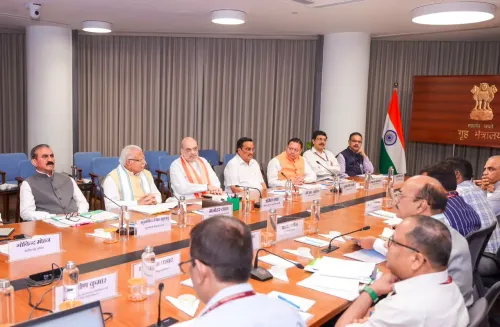
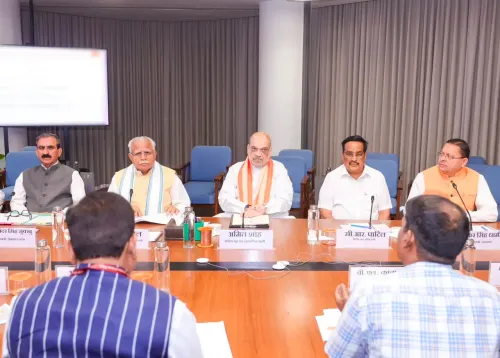
The Kishau Multipurpose Project MoU was signed on 15 September 2026 in New Delhi by six states , chaired by Union Home Minister Amit Shah .
The project, estimated at ₹15,000 crore , will generate 660 MW of hydroelectric power and supply water to Rajasthan, Delhi, Uttarakhand, Himachal Pradesh, UP , and Haryana .
124 MCM of water will be conveyed to Churu via three underground pipelines through Haryana's Hansi-Butana system.
The Centre will fund 90% of the water component; participating states contribute 10% .
Delhi and Rajasthan will share 95% of the water in a 75:25 ratio ; Himachal Pradesh retains 5% .
Rajasthan has been unable to access its 577 MCM Yamuna allocation for 32 years due to lack of conveyance infrastructure.
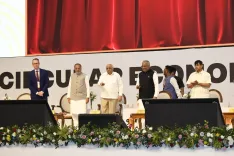
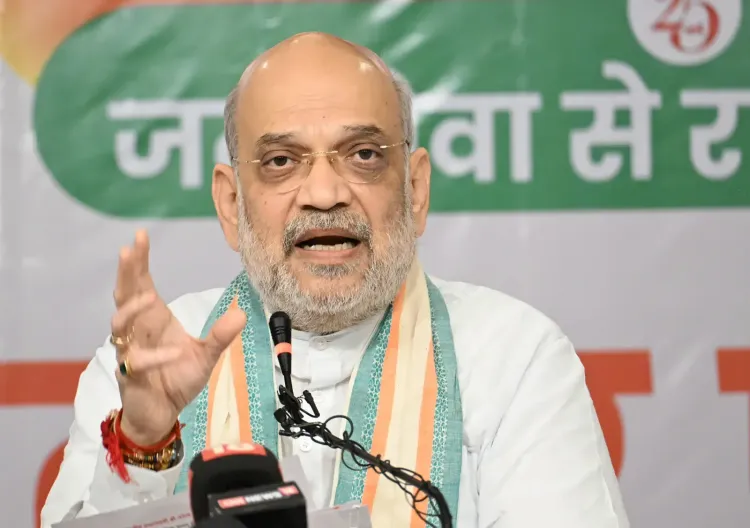
An MoU for the Kishau Multipurpose Project was signed on Tuesday, 15 September 2026, in New Delhi among six participating states at a meeting chaired by Union Home Minister Amit Shah, marking a significant step toward resolving a long-pending water crisis in Rajasthan's Shekhawati region. The agreement is expected to bring fresh water to the drought-prone districts of Sikar, Churu, and Jhunjhunu, which have lacked adequate water supply for decades.
Chief Minister Bhajanlal Sharma signed the MoU alongside the chief ministers of the other participating states, in the presence of Union Minister for Jal Shakti C.R. Patil. The Kishau Dam Project has been designated a National Project by the Government of India.
What the Kishau Project Involves
The Kishau Multipurpose Project is proposed on the Tons River, a major tributary of the Yamuna, along the border of Uttarakhand and Himachal Pradesh. With an estimated cost of approximately ₹15,000 crore, the project will generate 660 MW of hydroelectric power and benefit six states: Rajasthan, Uttarakhand, Himachal Pradesh, Delhi, Uttar Pradesh, and Haryana.
Construction, operation, and maintenance will be handled by Kishau Corporation Limited, with oversight under the established framework for the Upper Yamuna Basin.
Water Allocation and Funding Structure
Under the revised arrangement, a portion of Himachal Pradesh's allocated water share will be made available to Rajasthan and Delhi. Of the combined 95 per cent share allocated to the two states, the split between Delhi and Rajasthan will be in the ratio of 75:25. Himachal Pradesh will retain 5 per cent for local use.
The Central Government will fund 90 per cent of the water component's cost, while participating states will jointly contribute the remaining 10 per cent. In return for receiving Himachal Pradesh's water share, the beneficiary states will contribute toward the cost of the power component associated with Himachal Pradesh.
How Water Reaches Shekhawati
Under the project, 124 million cubic metres (MCM) of water allocated to Rajasthan from the Kishau Dam will be conveyed to Churu via Haryana's Hansi-Butana system using three underground pipeline systems. This water is intended for drinking, irrigation, and other beneficial purposes across Sikar, Churu, Jhunjhunu, and surrounding areas.
Notably, the Yamuna Water Agreement — signed by five states in 1994 — had already allocated 1,917 cusecs, equivalent to 577 MCM, of monsoon water from Tajewala Head to Rajasthan. However, due to the absence of water-conveyance infrastructure, Rajasthan could not utilise its share for 32 years. The Kishau project and the associated infrastructure are now expected to unlock that allocation.
Broader Development Impact for Shekhawati
Beyond water supply, the agreement is positioned as a cornerstone of wider regional development. Adequate water availability is expected to support improvements in irrigation, employment, investment, and health and education indicators across the Shekhawati belt.
The state government is simultaneously pursuing complementary initiatives including the Ramjal Setu Link Project, expressway and highway projects, proposed air connectivity for Sikar and Jhunjhunu, and heritage conservation of the region's historic havelis. The integrated approach, officials say, is designed to generate economic opportunity for local youth within their own region.
With the MoU now signed, attention shifts to the preparation of a joint Detailed Project Report (DPR) — a process on which consensus has reportedly been reached among participating states — and the commencement of construction work by Kishau Corporation Limited.
Point of View
And the Centre absorbing 90% of the water component cost, reflect how politically sensitive inter-state water arithmetic remains. The deeper question is execution: the Yamuna basin has a long history of agreed allocations that stalled at the DPR stage. With six states, a ₹15,000 crore price tag, and three underground pipeline corridors yet to be built, the gap between MoU and tap-water in Sikar is still considerable — and the clock on that 32-year delay is still running.
NationPress
15 Sept 2026
Frequently Asked Questions
What is the Kishau Multipurpose Project?
The Kishau Multipurpose Project is a ₹15,000 crore dam and water-conveyance scheme proposed on the Tons River, along the Uttarakhand-Himachal Pradesh border. It will generate 660 MW of hydroelectric power and supply water to six states including Rajasthan, Delhi, and Haryana.
Which states signed the Kishau Project MoU, and who chaired the meeting?
Six states — Rajasthan, Uttarakhand, Himachal Pradesh, Delhi, Uttar Pradesh, and Haryana — signed the MoU on 15 September 2026 in New Delhi. The meeting was chaired by Union Home Minister Amit Shah, with Union Jal Shakti Minister C.R. Patil also present.
How will the Kishau Project help Rajasthan's Shekhawati region?
The project will convey 124 MCM of water to Churu via Haryana's Hansi-Butana system through three underground pipelines. This water will meet the drinking and irrigation needs of Sikar, Churu, Jhunjhunu, and surrounding areas, which have faced severe water scarcity for decades.
How is the cost of the Kishau Project shared among states?
The Central Government will bear 90% of the water component's cost as assistance, while the participating states will jointly contribute the remaining 10%. States benefiting from Himachal Pradesh's water share will additionally contribute toward the cost of Himachal Pradesh's power component.
Why has Rajasthan not received its Yamuna water share for 32 years?
Under the 1994 Yamuna Water Agreement, Rajasthan was allocated 1,917 cusecs (577 MCM) of monsoon water from Tajewala Head. However, the absence of water-conveyance infrastructure meant Rajasthan could not physically receive its share. The Kishau project and related pipeline systems are intended to finally deliver that allocation.