Ajmer Dargah Diwan calls for peace and unity at interfaith event
Synopsis
At a time of heightened national tension over communal relations, the Ajmer Dargah Diwan used one of India's most symbolically powerful platforms — a city where a Sufi shrine and the Brahma Temple coexist — to deliver a sharp rebuke of extremism and reframe jihad as a struggle for education and poverty eradication, not violence.
Key Takeaways
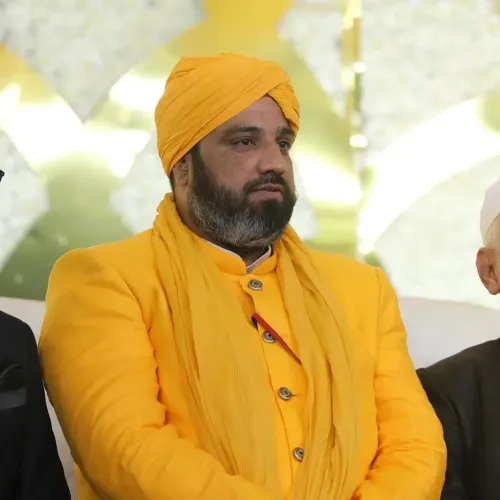
Dargah Diwan Syed Zainul Abedin addressed the 'Mera Mulk, Meri Pehchan' interfaith programme in Ajmer on 19 May 2025 .
The event was organised by the All India Sufi Sajjada Nashin Council and drew saints, officials, and leaders from multiple faiths.
The Diwan stated that no religion supports terrorism and called for jihad to be directed toward education, poverty eradication, and social reform.
He highlighted Ajmer's centuries-old interfaith traditions, including Hindi qawwalis at the Dargah and the Basant festival within the Chishti order.
Senior officials including Divisional Commissioner Shakti Singh Rathore and District Collector Lokbandhu were present at the event.
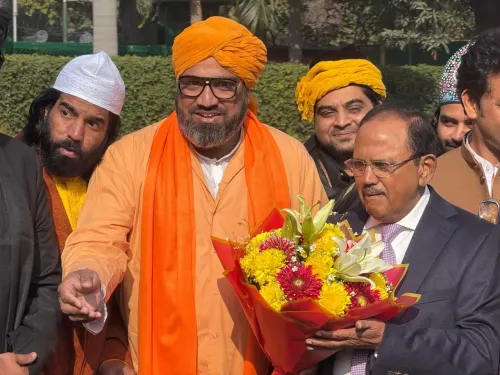
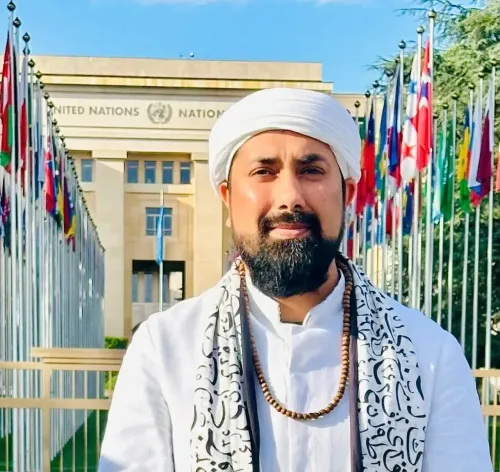
Ajmer Dargah Diwan Syed Zainul Abedin on Tuesday, 19 May called for an end to hatred, radicalism, and extremism, urging citizens to embrace love, communal harmony, and national identity at the 'Mera Mulk, Meri Pehchan' (My Country, My Identity) programme in Ajmer, Rajasthan. The event was organised by the All India Sufi Sajjada Nashin Council and brought together saints, spiritual leaders, social workers, and senior administrative officials from diverse faiths.
Key Developments at the Ajmer Event
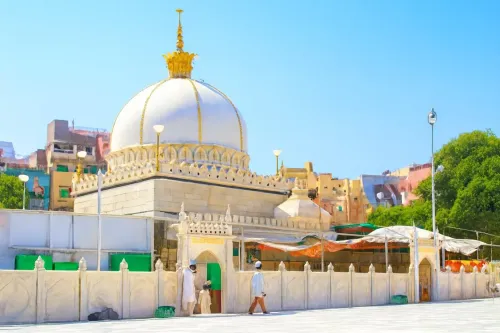
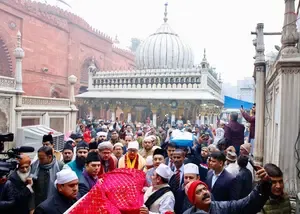
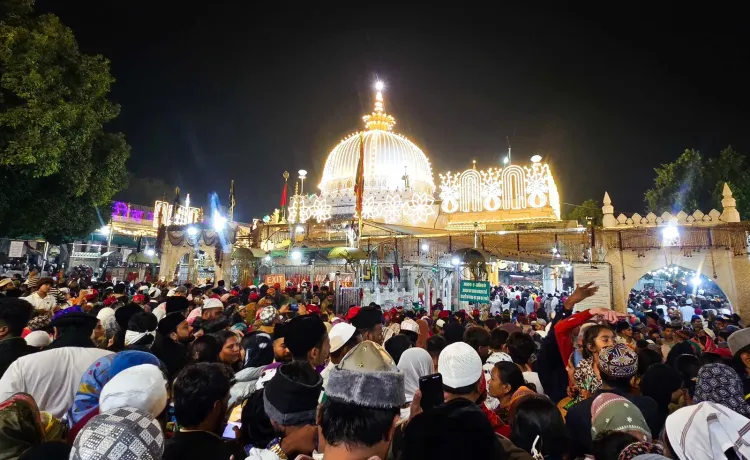
The gathering convened at a city that Diwan Syed Zainul Abedin described as uniquely positioned in India's spiritual landscape — home to both the revered Ajmer Sharif Dargah and the globally renowned Brahma Temple, coexisting as enduring symbols of interfaith harmony. He said any message emerging from Ajmer carries deep significance, given the city's centuries-old tradition of love, Sufism, and unity.
Senior officials present included Divisional Commissioner Shakti Singh Rathore, District Collector Lokbandhu, and religious leader Shyam Sundar Acharya, alongside representatives from multiple faith communities.
What the Dargah Diwan Said
Addressing the gathering, the Diwan declared that no religion teaches or supports terrorism, and stressed that the growing global tide of extremism must be resisted collectively. He reframed the concept of jihad, stating that if one wishes to wage it, the effort should be directed toward children's education, poverty eradication, and social reform — not violence.
He also argued that if zakat (Islamic charitable contributions) were channelled effectively, Ajmer and Rajasthan could serve as models of development and social welfare. 'India is home to many religions, languages, and cultures, but above all, we are Indians first,' he said.
Referring to Islamic teachings, the Diwan stated that the Holy Quran and the teachings of Prophet Hazrat Muhammad emphasise loyalty to one's country. He urged people to understand the teachings of their own faith before criticising others, adding that all religions ultimately preach humanity, compassion, and brotherhood.
Ajmer's Tradition of Communal Harmony
The Diwan highlighted several living traditions that embody the Dargah's inclusive ethos. He noted that the Basant festival tradition continues within the Chishti Sufi order, that Hindi qawwalis are still performed at the Dargah during spiritual gatherings, and that the custom of preparing sweet prasad in the Dargah's giant cauldrons — known as Degs — was originally initiated with Hindu devotees in mind. This comes amid a broader national conversation about interfaith relations, making the symbolism of these shared traditions particularly notable.
Global Concerns and the Call to Act
The Diwan also addressed international affairs, raising concerns about global power politics and what he described as destabilising United States policies. He said the world is increasingly witnessing conflict, war, and instability, and called on humanity to unite against forces spreading unrest and violence worldwide.
Calling for collective action, he said the movement to eliminate social divisions should begin from Ajmer — a spiritual centre for people of multiple faiths — and concluded by praying for peace, progress, and brotherhood across the country. The 'Mera Mulk, Meri Pehchan' programme, he said, is not merely a slogan but a shared responsibility and identity for every Indian citizen.
Point of View
And the Chishti tradition's centuries-long record of cross-community engagement gives the message institutional credibility that a press statement cannot replicate. The reframing of jihad as a struggle for education and poverty alleviation is a deliberate counter-narrative to radical interpretations, and its articulation at a public, multi-faith gathering attended by senior district officials signals an attempt to anchor that position in civic, not just religious, discourse. What mainstream coverage often misses is the practical dimension: the Diwan's argument that effective deployment of zakat could transform Ajmer and Rajasthan economically is a policy proposal dressed in spiritual language — and one worth taking seriously on its merits.
NationPress
17 Sept 2026
Frequently Asked Questions
What is the 'Mera Mulk, Meri Pehchan' programme in Ajmer?
'Mera Mulk, Meri Pehchan' (My Country, My Identity) is an interfaith harmony initiative organised by the All India Sufi Sajjada Nashin Council. The 19 May 2025 event in Ajmer brought together spiritual leaders, saints, social workers, and administrative officials from diverse faiths to promote communal harmony and national unity.
Who is Dargah Diwan Syed Zainul Abedin?
Syed Zainul Abedin is the Diwan — the hereditary custodian — of the Ajmer Sharif Dargah, the shrine of the Sufi saint Khwaja Moinuddin Chishti. The Diwan holds significant religious and cultural authority within the Chishti Sufi order and is a prominent voice on interfaith matters in India.
What did the Dargah Diwan say about terrorism and jihad?
Diwan Syed Zainul Abedin stated clearly that no religion teaches or supports terrorism. He argued that if one wishes to wage jihad, it should be directed toward children's education, poverty eradication, and social reform — explicitly rejecting violent interpretations of the concept.
What interfaith traditions did the Diwan highlight at Ajmer Dargah?
The Diwan noted that the Basant festival tradition continues within the Chishti Sufi order, Hindi qawwalis are performed at the Dargah during spiritual gatherings, and the custom of preparing sweet prasad in the Dargah's giant Degs was originally initiated with Hindu devotees in mind — all reflecting the shrine's historically inclusive character.
Who attended the 'Mera Mulk, Meri Pehchan' event in Ajmer?
The event was attended by Dargah Diwan Syed Zainul Abedin, Divisional Commissioner Shakti Singh Rathore, District Collector Lokbandhu, religious leader Shyam Sundar Acharya, and several other representatives from diverse faith communities.