Amit Shah flags off Amarnath Yatra 2026 with multi-layer security grid

Synopsis
Union Home Minister Amit Shah on 3 July 2026 greeted Amarnath Yatra pilgrims as the annual pilgrimage commenced, detailing a multi-layer security grid, QR-code-based registration, and health and disaster-management infrastructure arranged by the Modi government along the entire yatra route.
Key Takeaways
Amarnath Yatra 2026 commenced on 3 July 2026 , with Union Home Minister Amit Shah extending wishes to all pilgrims.
The Modi government has deployed a multi-layer security grid across the entire yatra route in Jammu and Kashmir .
QR-code-based registration has been introduced to streamline pilgrim tracking and management.
Arrangements for accommodation, health services, and disaster management have been put in place for pilgrims' safety and comfort.
The Ministry of Home Affairs has held direct oversight of Amarnath Yatra security and logistics since the reorganisation of Jammu and Kashmir as a Union Territory in 2019 .
The yatra is expected to conclude around August 2026 , with pilgrim footfall and security outcomes closely watched.
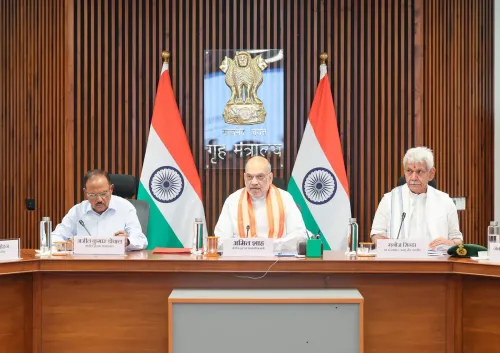
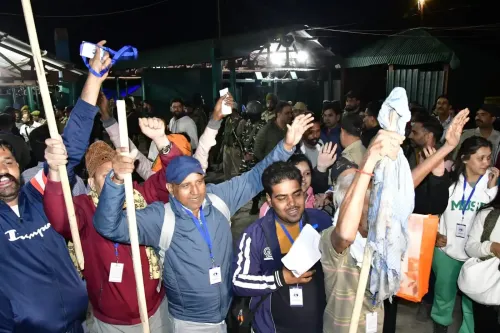
Union Home Minister Amit Shah on Friday, 3 July 2026, extended wishes to pilgrims as the Amarnath Yatra 2026 commenced, highlighting a multi-layer security grid, QR-code-based registration, and robust health and disaster-management arrangements put in place by the Modi government for the annual pilgrimage to the Amarnath cave shrine in Jammu and Kashmir.
Context
Shah posted in Hindi on X (formerly Twitter), describing the Amarnath Yatra as a 'pavan prateek' (sacred symbol) of 'unbreakable devotion to Sanatan culture, steadfast patience, restraint, and an indomitable spirit that never accepts defeat.' He concluded the post with the invocation 'Har-Har Mahadev', a traditional chant associated with devotion to Lord Shiva.
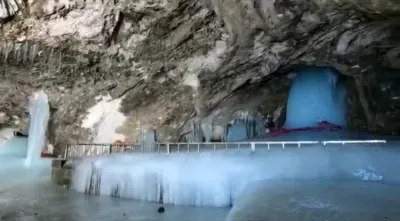
The Amarnath cave shrine, situated in the upper reaches of the Himalayas in Jammu and Kashmir, houses a naturally formed ice lingam revered by Hindus as a manifestation of Lord Shiva. The yatra draws tens of thousands of devotees each summer before the shrine becomes inaccessible due to snowfall.
Policy Backdrop
Since the abrogation of Article 370 in 2019 and the reorganisation of Jammu and Kashmir into a Union Territory, the Ministry of Home Affairs has assumed direct oversight of Amarnath Yatra security and logistics. The central government has progressively introduced technology-backed systems, including online registration portals and multi-layer security grids, following terror incidents that had previously targeted pilgrims on the yatra route.
Shah's post specifically cited QR-code-based registration as part of the pilgrim management framework, alongside arrangements for accommodation, health services, and disaster response along the entire yatra route. This approach mirrors the government's broader strategy of combining religious tourism promotion with layered security and technology-driven crowd management — a model also applied to pilgrimages such as Vaishno Devi and the Kumbh Mela.
Stakeholders and Impact
The primary beneficiaries are the Amarnath yatris — pilgrims who undertake the arduous trek to the cave shrine — who stand to benefit from the health infrastructure, emergency response systems, and streamlined registration. Jammu and Kashmir security forces, central paramilitary units, and local administration are among the key agencies coordinating the multi-layer security grid along the route.
The QR-code-based registration system is designed to enable real-time tracking of pilgrims, which security and disaster management agencies can use to respond swiftly in the event of emergencies such as flash floods, landslides, or security threats — hazards historically associated with the high-altitude route.
What's Next
The Amarnath Yatra typically runs through the summer months, concluding around August when the shrine closes for the season. Authorities and observers will closely watch pilgrim footfall figures, the operational effectiveness of the QR-code registration system, the quality of medical facilities en route, and whether the multi-layer security grid succeeds in ensuring an incident-free yatra. Any security developments or logistical feedback from pilgrims during the weeks ahead will test the robustness of the arrangements Shah outlined.
Point of View
The messaging positions the post-2019 Union Territory arrangement as a governance upgrade that delivers both safety and religious access. The emphasis on 'Sanatan culture' and the closing invocation of 'Har-Har Mahadev' also signal the BJP's continued effort to align state capacity with cultural identity, a political posture that has broad resonance with the party's core voter base ahead of any future electoral cycle in the region.
NationPress
3 Jul 2026
Frequently Asked Questions
When did Amarnath Yatra 2026 start?
Amarnath Yatra 2026 commenced on 3 July 2026 , as confirmed by Union Home Minister Amit Shah's post on X marking the beginning of the pilgrimage.
What security arrangements are in place for Amarnath Yatra 2026?
The Modi government has put in place a multi-layer security grid along the entire yatra route, along with QR-code-based registration , accommodation facilities, health services, and disaster management systems.
What is QR code registration for Amarnath Yatra?
QR-code-based registration is a digital system introduced for the Amarnath Yatra that allows authorities to track pilgrims in real time, helping security and disaster-response agencies act swiftly in emergencies.
Who oversees Amarnath Yatra security?
Since the reorganisation of Jammu and Kashmir as a Union Territory in 2019 , the Ministry of Home Affairs , headed by Amit Shah , has held direct oversight of Amarnath Yatra security and logistics.
When does Amarnath Yatra 2026 end?
The Amarnath Yatra typically concludes around August each year when the high-altitude cave shrine closes for the season due to snowfall.