Western Command chief launches MTS 2.0 curtain raiser on Army mechanisation tech
Synopsis
The Indian Army's Western Command has formally kicked off preparations for MTS 2.0, a high-stakes seminar aimed at transforming ageing mechanised platforms into future-ready combat systems — without starting from scratch. With the full event set for December at Chandimandir and SIDM on board, the initiative is a direct signal that platform refurbishment, not fresh procurement, is the new frontier of Army modernisation.
Key Takeaways
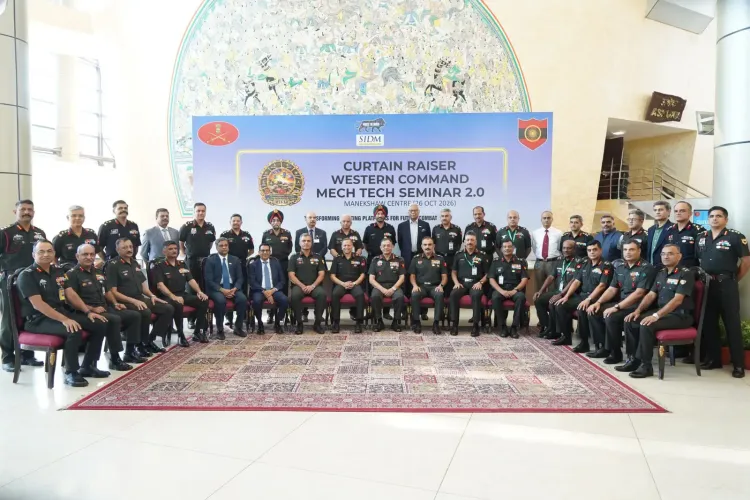
Lt Gen Pushpendra Singh , GOC-in-C, Western Command , inaugurated the MTS 2.0 curtain raiser on 26 October 2026 at the Manekshaw Centre, New Delhi .
The full seminar, themed 'CHAKRA – Transforming Existing Platforms for Future Combat' , is scheduled for 14–15 December 2026 at Chandimandir Military Station .
The event is organised by Western Command in partnership with the Society of Indian Defence Manufacturers (SIDM) .
Six focus pillars: Combat Capability Enhancement, Harnessing Technology, Adaptability, Kinetics, Refurbishment , and Atmanirbharta .
The seminar will translate operational gaps into Problem Definition Statements (PDS) for the defence industry and academia to address.
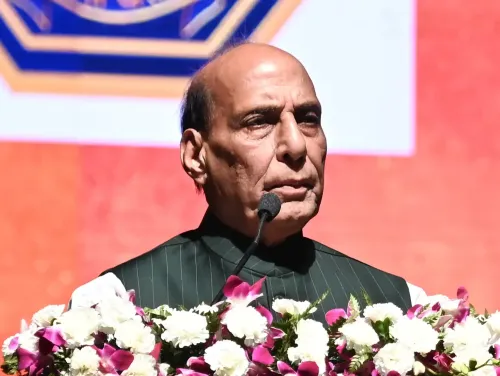
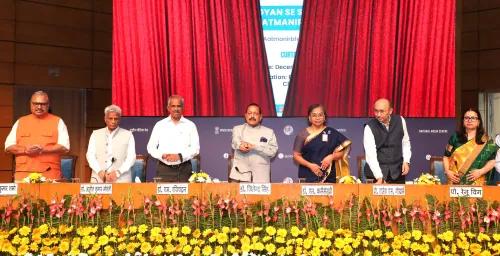
Lieutenant General Pushpendra Singh, General Officer Commanding-in-Chief, Western Command, Indian Army, on Monday, 26 October 2026, inaugurated the curtain raiser for the Mechanisation Technology Seminar 2.0 (MTS 2.0) at the Manekshaw Centre in New Delhi. The event previewed the vision and thematic agenda for the full seminar, underscoring the Army's push for technology-driven modernisation and self-reliance in defence.
What the Curtain Raiser Covered
The curtain raiser, organised by Western Command in collaboration with the Society of Indian Defence Manufacturers (SIDM), outlined the broad framework for the forthcoming seminar. Key areas highlighted included civil-military collaboration, Atmanirbharta (self-reliance), and capability enhancement of mechanised forces through indigenous technological innovation, according to an official statement.
The session also provided a platform for interaction among military users, industry representatives, academia, and other stakeholders to deliberate on the modernisation of existing platforms and emerging operational requirements.
The Main Seminar: CHAKRA Theme and December Dates
The full MTS 2.0 is scheduled for 14–15 December at Chandimandir Military Station, conducted jointly with SIDM. Themed 'CHAKRA – Transforming Existing Platforms for Future Combat', the seminar will bring together stakeholders from the Indian Army, defence industry, and academia.
The six pillars of focus are Combat Capability Enhancement, Harnessing Technology, Adaptability, Kinetics, Refurbishment, and Atmanirbharta. A central objective is translating operational capability gaps into clearly defined Problem Definition Statements (PDS) — bridging the gap between field requirements and industrial solutions.
Why MTS 2.0 Matters for India's Defence Modernisation
An initiative of Western Command, MTS 2.0 aims to transform existing military platforms into technologically advanced, future-ready combat systems rather than procuring entirely new ones — a cost-effective and strategically aligned approach under India's broader Atmanirbhar Bharat defence policy.
This comes amid the Indian Army's sustained effort to reduce dependence on foreign Original Equipment Manufacturers (OEMs) and accelerate the indigenisation of platform upgrades. Notably, Western Command — which oversees India's sensitive northern and western borders — has a direct operational stake in ensuring mechanised forces remain battle-ready in evolving threat environments.
What Comes Next
With the curtain raiser now concluded, the focus shifts to the full seminar in December. Stakeholders from defence public sector undertakings, private industry, and research institutions are expected to present technological solutions mapped to identified operational gaps. The seminar's outcomes are anticipated to feed into capability development roadmaps for India's mechanised forces in the near term.
Point of View
A pragmatic pivot given fiscal constraints and long indigenisation timelines. The CHAKRA framework's emphasis on Problem Definition Statements is a structurally sound move — it forces operational users to articulate requirements in industry-legible terms, something that has historically been a weak link in India's civil-military tech collaboration. The real measure of success, however, will be how many of December's PDS outputs translate into fielded upgrades within a credible timeframe, rather than joining the archive of well-intentioned seminar documents.
NationPress
26 Oct 2026
Frequently Asked Questions
What is the Mechanisation Technology Seminar 2.0 (MTS 2.0)?
MTS 2.0 is an Indian Army initiative by Western Command aimed at transforming existing mechanised military platforms into technologically advanced, future-ready combat systems. The full seminar is scheduled for 14–15 December 2026 at Chandimandir Military Station, in collaboration with the Society of Indian Defence Manufacturers (SIDM).
What is the theme of MTS 2.0?
The seminar is themed 'CHAKRA – Transforming Existing Platforms for Future Combat', focusing on six pillars: Combat Capability Enhancement, Harnessing Technology, Adaptability, Kinetics, Refurbishment, and Atmanirbharta.
What happened at the curtain raiser on 26 October 2026?
Lt Gen Pushpendra Singh inaugurated the curtain raiser at the Manekshaw Centre in New Delhi, outlining the vision and focus areas for the December seminar. It provided a platform for interaction among military users, industry representatives, and academia.
Who is organising MTS 2.0 and who will participate?
MTS 2.0 is organised by Western Command in collaboration with SIDM. Participants will include stakeholders from the Indian Army, defence industry, and academia, with a focus on indigenous technological solutions.
What are Problem Definition Statements (PDS) in the context of MTS 2.0?
Problem Definition Statements are structured articulations of operational capability gaps that the seminar aims to translate into actionable technological briefs for the defence industry and academia. They are central to bridging the divide between battlefield requirements and industrial development.