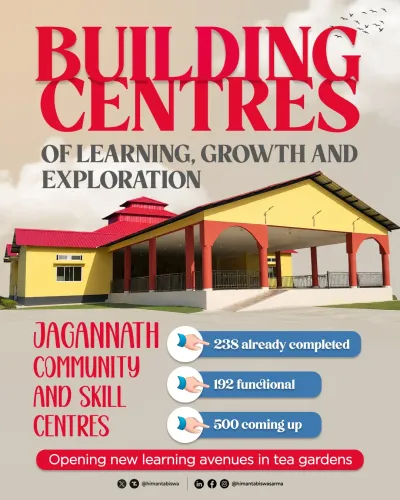
Assam CM Office Launches Transport & Escort for Tea Garden Students
Synopsis
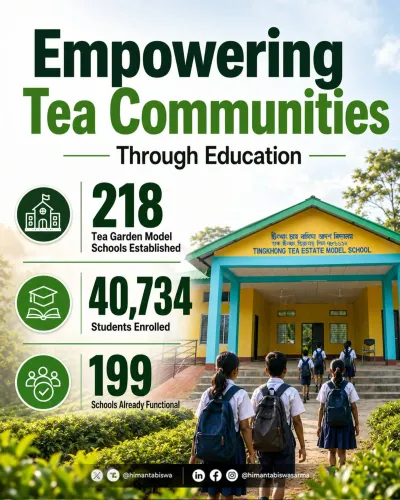
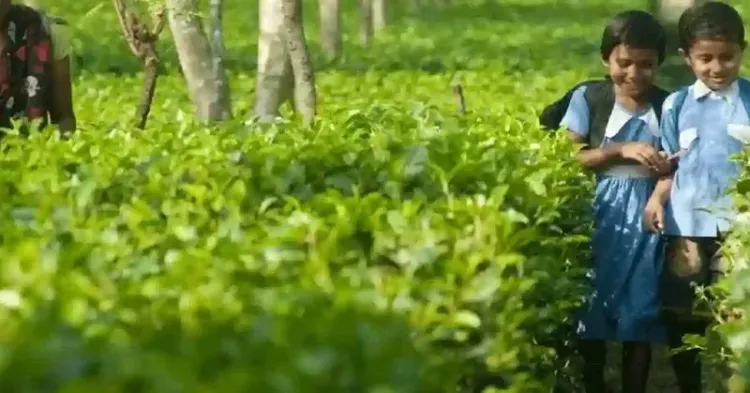
The Chief Minister's Office of Assam on 11 June 2026 announced transportation and escort facilities for students in tea garden communities to raise school attendance, extending a long-running state effort to close educational gaps among Adivasi plantation families.
Key Takeaways
The Chief Minister's Office of Assam announced transport and escort facilities for tea garden students on 11 June 2026 .
The initiative directly targets low school attendance among children of Adivasi tea estate workers in Assam .
Assam has run targeted tea-tribe education welfare programmes since at least 2016–17 .
The scheme addresses both physical distance from schools and safety concerns that deter parents from sending children, especially girls.
District-level roll-out and subsequent attendance data from the state education department will be the key metrics to watch.
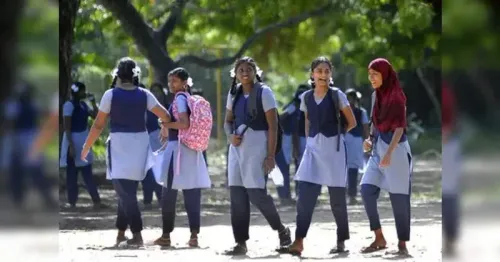
The Chief Minister's Office of Assam announced on Thursday, 11 June 2026 a new initiative providing transportation and escort facilities to students from tea garden communities across the state, aimed at boosting school attendance among one of Assam's most educationally underserved populations.
Context
The post, shared in Assamese, reads: 'বিদ্যালয়ৰ উপস্থিতি বৃদ্ধিৰ বাবে অসমত চাহ বাগিচাৰ ছাত্ৰ-ছাত্ৰীৰ বাবে পৰিবহণ আৰু এস্কৰ্টৰ সুবিধা' — translated: 'Transport and escort facilities for tea garden students in Assam to increase school attendance.' The announcement signals a direct policy push to close the attendance gap in Assam's tea estate belts, where children of Adivasi plantation workers have historically struggled to reach schools due to long distances and safety concerns.
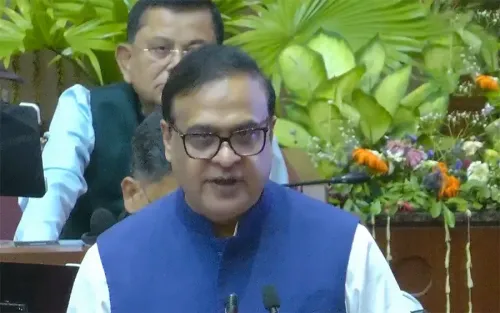
Chief Minister Himanta Biswa Sarma has since 2021 made tea-tribe welfare a recurring theme of the state government's social policy agenda. The latest measure places transport and escort support at the centre of that effort.
Policy Backdrop
Assam's tea estates are spread across several districts in the state's plains and hill fringes, housing large Adivasi communities whose access to mainstream education has lagged behind state averages for decades. Successive state administrations have introduced location-specific education supports since at least 2016–17, ranging from residential schools to mid-day meal extensions, specifically targeting tea garden areas.
Transport-and-escort arrangements address a twin barrier: physical distance from the nearest government school, and parental concern about children — particularly girls — travelling unaccompanied. By bundling both into a single facility, the government aims to raise net enrolment as well as daily attendance rates.
Stakeholders and Impact
The primary beneficiaries are children of tea garden workers, a community classified under the broader Adivasi or tea-tribe designation in Assam. Families in these estates often depend on seasonal plantation labour income, making the cost and logistics of schooling a persistent deterrent to regular attendance.
Education department officials and district administrations in tea-growing districts will be responsible for rolling out the scheme. Non-governmental organisations working on tribal education in the state are expected to play a supporting role in community outreach and monitoring attendance outcomes once the facility becomes operational.
What's Next
The key indicators to watch will be the formal roll-out of the transport-escort scheme across specific tea districts and the subsequent release of attendance or enrolment data by the state education department. Analysts tracking tea-tribe welfare programmes will look for district-level coverage figures and data on the number of students enrolled under the facility as a measure of early impact.
If the scheme demonstrates measurable gains in attendance, it could serve as a template for other northeastern states with similar plantation-community demographics, reinforcing Assam's position as a policy laboratory for Adivasi education interventions in India's northeast.
Point of View
A numerically significant and historically mobilised voter bloc in Assam. By addressing both logistics and safety in a single measure, the government is trying to neutralise the most cited reasons for low attendance without requiring structural changes to school placement. The broader policy arc — successive administrations layering affirmative interventions on tea estates — suggests institutional recognition that generic education policy does not reach plantation belts. Whether this iteration produces measurable attendance gains will depend heavily on implementation fidelity at the district level, a persistent challenge in Assam's dispersed estate geography.
NationPress
19 Sept 2026
Frequently Asked Questions
What is the new Assam government scheme for tea garden students?
The Assam government announced transport and escort facilities specifically for students living in tea garden communities to help them attend school regularly, addressing the barriers of long distances and safety concerns.
Why do tea garden children in Assam have low school attendance?
Children of tea estate workers in Assam often live far from the nearest government school, and parents — particularly of girls — have safety concerns about unaccompanied travel, both of which reduce regular attendance.
Who are the tea tribe or Adivasi communities in Assam?
Tea tribes, also called Adivasis, are communities whose ancestors were brought to Assam's tea estates as plantation labour, primarily from central and eastern India. They remain one of the state's most educationally and economically disadvantaged groups.
What has the Assam government done before for tea garden education?
Assam has run targeted tea-tribe education welfare programmes since at least 2016–17, including residential schools and mid-day meal extensions, as part of broader affirmative interventions for plantation communities.
Which districts in Assam have tea gardens?
Tea estates are spread across several districts in Assam's plains and hill fringes, including Dibrugarh, Jorhat, Tinsukia, Sivasagar, Golaghat, and Cachar, among others.