Assam Produces Matcha Tea for First Time, Fetches Rs 3,000/kg
Synopsis
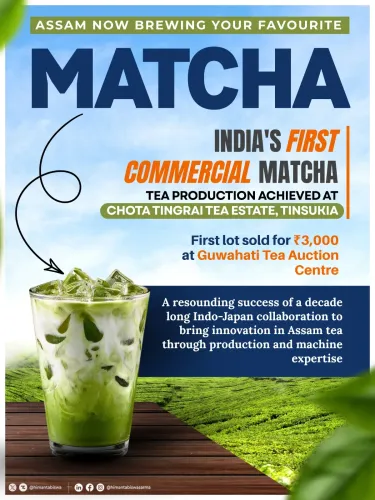
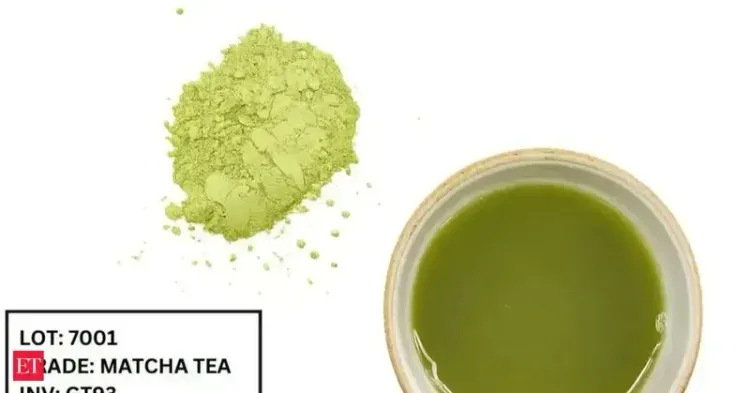
Assam has produced matcha tea for the first time, with the specialty product fetching Rs 3,000 per kg at auction. The milestone signals a strategic shift for India's largest tea-producing state — long dominated by black CTC grades — toward premium, health-focused global markets.
Key Takeaways
Assam has produced matcha tea for the first time, marking a historic shift in the state's tea production profile.
The matcha lot fetched Rs 3,000 per kilogram at auction, significantly above prevailing rates for standard Assam CTC grades.
The announcement was made by the Chief Minister's Office of Assam on 4 July 2026 .
Assam holds a Geographical Indication tag for its tea since 2004, enabling origin-specific branding for specialty products.
The development could improve farmgate incomes for Assam's small tea growers if matcha production scales commercially.
Future auction results and potential state government subsidies for specialty tea processing will determine the pace of scale-up.
The Chief Minister's Office of Assam announced on Saturday, 4 July 2026 that Assam has produced matcha tea for the first time, with the specialty product fetching Rs 3,000 per kilogram at auction — a landmark moment for India's largest tea-producing state as it moves beyond conventional black tea.
Context
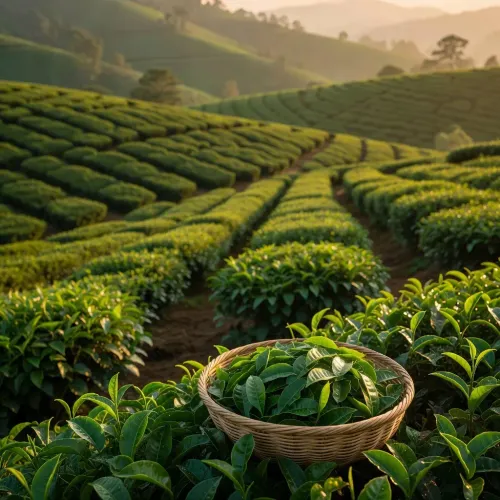
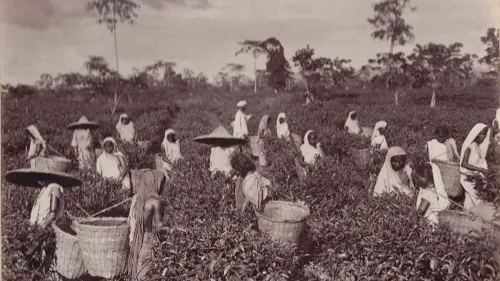
Assam has long been synonymous with bold, malty black CTC and orthodox teas, which account for more than half of India's total tea output. The state's entry into matcha — a finely ground, shade-grown green tea powder that commands premium prices in health-conscious global markets — marks a significant departure from its traditional production profile. The auction result of Rs 3,000 per kg stands well above prevailing rates for standard Assam CTC grades, which have faced stagnant pricing for several years.
Policy Backdrop
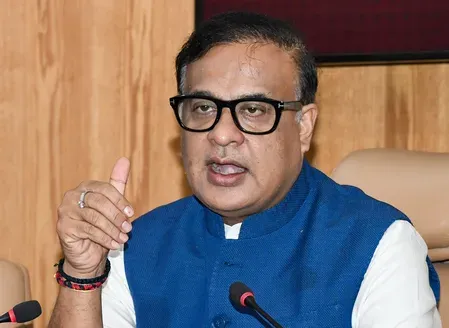
Assam tea received Geographical Indication (GI) registration in 2004, laying the groundwork for origin-specific branding of specialty and green teas beyond bulk commodity production. The Tea Board of India, the statutory body under the Ministry of Commerce, has actively supported specialty tea development across producing states as part of a broader effort to improve export realisations and farmgate prices. Chief Minister Himanta Biswa Sarma, who has helmed the state since May 2021, has championed agricultural diversification including value-added tea products as a lever for rural income growth.
India's tea-producing regions have gradually pivoted toward premium and specialty segments — green, white, and now matcha-style teas — to compete in health-focused international markets. Darjeeling and the Nilgiris have undertaken similar experiments, and Assam's successful first auction lot signals that the country's largest producing state is now entering this high-value space.
Stakeholders and Impact
The development carries direct implications for Assam's tea growers, including the large community of small tea growers who cultivate an estimated 30–40 per cent of the state's tea area. If matcha production scales, the premium pricing could substantially lift farmgate incomes compared with returns from conventional CTC grades. Auction participants and specialty tea buyers — both domestic and export-oriented — are also watching closely, as a credible Assam matcha supply would diversify the country's specialty tea portfolio.
Matcha has seen surging global demand, driven by its use in beverages, confectionery, and wellness products. An Assam origin story, backed by the state's existing GI tag, could give Indian matcha a competitive edge against established Japanese and Chinese producers in select market segments.
What's Next
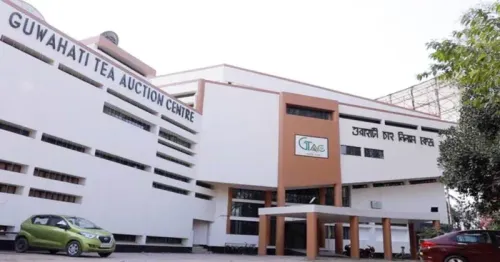
Attention will now turn to subsequent lots at the Guwahati and Kolkata tea auctions to see whether the Rs 3,000-per-kg benchmark holds or improves, and whether buyer interest broadens. Any state government announcement on area expansion, shade-growing incentives, or processing subsidies for specialty teas would be a key indicator of how seriously Assam intends to scale this nascent segment. A successful commercialisation pathway could also prompt the Tea Board of India to formalise matcha-specific quality and certification standards for Indian producers.
Point of View
The milestone fits neatly into a broader agricultural diversification narrative ahead of state electoral cycles, offering a tangible story of premium rural income. The Rs 3,000-per-kg price point, if sustained across larger lots, would represent a structural improvement in Assam's tea economics at a time when CTC auction prices have remained stubbornly flat. The real test, however, lies in whether the state can build the shade-growing infrastructure and processing capacity to make Assam matcha a reliable, scalable export commodity rather than a one-off auction headline.
NationPress
4 Jul 2026
Frequently Asked Questions
Has Assam ever produced matcha tea before?
No. The production announced on 4 July 2026 is Assam's first-ever matcha tea, marking a historic diversification for a state historically known for black CTC and orthodox teas.
What price did Assam matcha tea fetch at auction?
Assam's first matcha tea lot fetched Rs 3,000 per kilogram at auction, well above the rates typically seen for conventional Assam CTC grades.
What is matcha tea and why is it valuable?
Matcha is a finely ground powder made from shade-grown green tea leaves. It commands premium prices globally due to its use in health beverages, confectionery, and wellness products, with demand rising sharply in health-conscious markets.
How does Assam's GI tag help its matcha tea?
Assam tea's Geographical Indication registration, granted in 2004, enables origin-specific branding. This legal protection could allow Assam matcha to be marketed as a distinct, traceable Indian product in global specialty tea markets.
What role does the Tea Board of India play in Assam's specialty tea push?
The Tea Board of India, the statutory regulator under the Ministry of Commerce, supports specialty tea development through export promotion and technical assistance, and is expected to be central to any formal scale-up of Assam matcha production.