Assam Pu'er Tea fetches ₹12,000/kg at Guwahati Auction
Synopsis
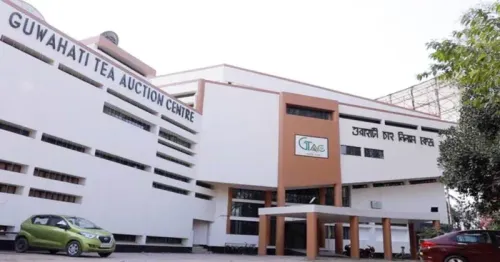
Pu'er Tea from Assam fetched ₹12,000 per kilogram at the Guwahati Tea Auction Centre, a landmark price that underscores the state's push beyond bulk CTC grades into the global specialty tea market.
Key Takeaways
₹12,000 per kilogram was the auction price realised for Assam-origin Pu'er Tea at the Guwahati Tea Auction Centre .
The Chief Minister's Office of Assam announced the milestone on September 29, 2026 , linking it to Assam's traditional tea heritage.
The Guwahati Tea Auction Centre has operated since 1970 as the primary tea trading platform for Northeast India.
The record price signals Assam's strategic pivot from high-volume CTC grades toward premium orthodox and specialty teas.
Subsequent auction realisations and possible GI branding initiatives for Assam specialty teas are the key developments to watch.
A single lot has just rewritten what the world is willing to pay for Assam tea. Pu'er Tea from Assam was auctioned at a staggering ₹12,000 per kilogram at the Guwahati Tea Auction Centre — a price point that signals far more than a good day at the block; it signals a fundamental shift in how global buyers are beginning to value India's northeastern brew.
The Chief Minister's Office of Assam announced the milestone on Tuesday, September 29, 2026, framing it as proof of Assam's 'quality, diversity and immense global potential' in an increasingly competitive specialty tea market. The post pointedly linked the record realisation to the state's centuries-old traditional tea heritage — a heritage now finding fresh commercial expression in premium, non-CTC varieties.
Why Pu'er Tea at ₹12,000/kg is a landmark number
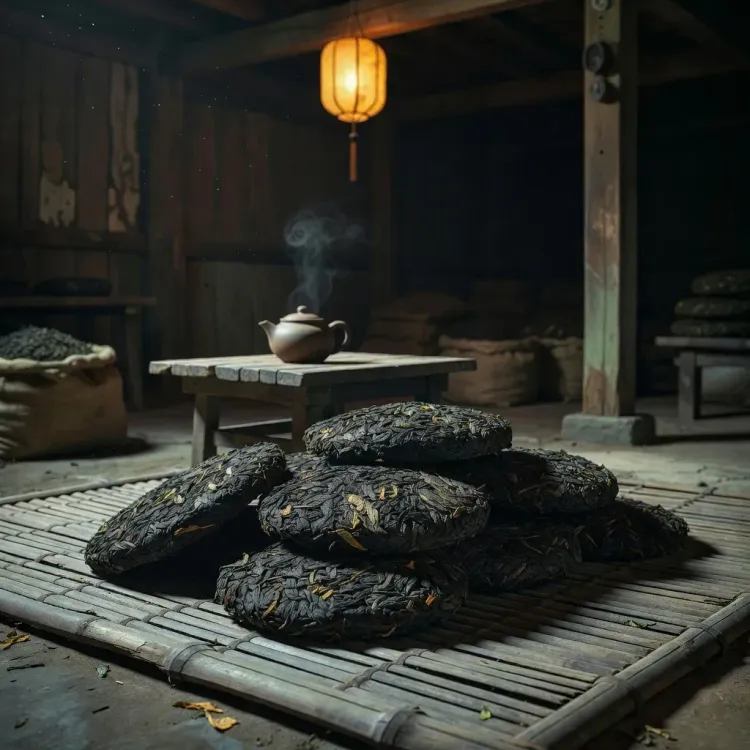
Pu'er is a post-fermented tea style long associated with China's Yunnan province, prized globally for its aged, earthy complexity and a collector culture that pushes prices well beyond commodity tiers. An Assam-origin Pu'er clearing ₹12,000 per kilogram at auction is not just a record — it is a direct challenge to the assumption that India's tea industry competes only on volume and CTC grades. At that price, Assam tea sits comfortably in the same conversation as the world's most sought-after specialty leaves.
The Guwahati Tea Auction Centre, which has been the primary trading platform for Northeast India's teas since it began operations in 1970, was established specifically to decentralise tea commerce away from Kolkata and give Assam growers direct market access. More than five decades later, a moment like this validates that founding logic — and then some.
Assam's calculated pivot toward specialty and orthodox teas
Assam produces the majority of India's tea and has historically dominated the bulk CTC market — the broken-leaf grade that fills everyday teabags across the world. But state governments and growers have been steadily pushing to diversify into orthodox and specialty grades, where per-kilogram realisations can be multiples of what CTC commands.
Highlighting record auction prices is a deliberate part of that strategy: it builds a premium narrative, attracts export buyers willing to pay for provenance, and lays the groundwork for stronger Geographical Indication branding around Assam's distinct terroir. A Pu'er lot at this price becomes a reference point — cited in export brochures, in GI applications, and in negotiations with global specialty retailers.
For Assam's tea growers and exporters, the immediate takeaway is that there is a global appetite for experimentation with Indian terroir in traditionally Chinese tea styles. For the state government, it is the clearest evidence yet that the pivot toward quality over quantity is paying off — in rupees per kilogram, on the auction floor, in front of competitive global buyers.
The question now is whether this becomes a repeatable benchmark or a one-lot wonder. Subsequent auction realisations at Guwahati will tell that story — and the tea world will be watching.
Point of View
Or whether it remains an outlier that flatters but does not fundamentally shift export earnings. The Guwahati auction's trajectory over the next few cycles will be the honest verdict.
NationPress
29 Sept 2026
Frequently Asked Questions
What is Pu'er Tea and why was it auctioned in Assam?
Pu'er is a post-fermented tea style traditionally linked to China's Yunnan province, valued for its aged, earthy complexity. An Assam-origin Pu'er lot was auctioned at the Guwahati Tea Auction Centre, demonstrating that Indian growers are now producing this specialty style and commanding premium global prices for it.
What is the Guwahati Tea Auction Centre?
The Guwahati Tea Auction Centre is the primary tea trading platform for Northeast India. It was established in 1970 to decentralise tea commerce from Kolkata and provide Assam growers with direct access to domestic and export buyers.
How does ₹12,000 per kg compare to regular Assam tea prices?
Standard CTC (Crush-Tear-Curl) Assam tea — the bulk grade used in everyday teabags — typically sells for a fraction of this price at auction. A realisation of ₹12,000 per kilogram places this Pu'er lot firmly in the global specialty and premium tea category, well above commodity benchmarks.
Why is the Assam government promoting specialty tea prices?
State governments in tea-producing regions periodically highlight record auction prices to build a premium narrative, attract export buyers, and support efforts to establish stronger Geographical Indication (GI) branding for Assam's distinct terroir — shifting the industry's image away from high-volume, low-margin bulk production.
What should we watch next in Assam's specialty tea story?
The key indicators will be subsequent auction realisations at the Guwahati Tea Auction Centre and any state-level GI protection or branding initiatives targeting Assam's specialty and orthodox tea varieties.