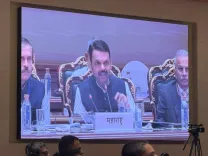
Giriraj Singh: BHAVYA scheme to build 100 industrial parks
Synopsis
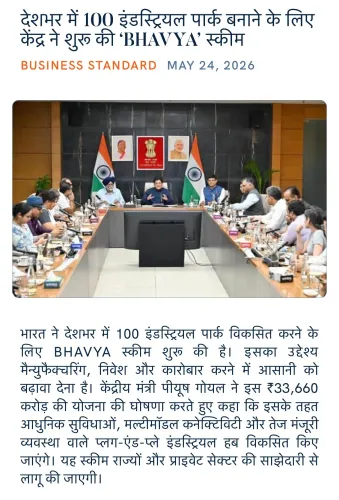
DPIIT has issued guidelines for the BHAVYA scheme to develop 100 industrial parks backed by ₹33,660 crore in investment. Union Textiles Minister Giriraj Singh highlighted the move on 25 May 2026, underscoring the government's push to expand greenfield manufacturing infrastructure across India.
Key Takeaways
DPIIT has released formal guidelines for the BHAVYA scheme to develop 100 industrial parks across India.
The scheme is backed by an investment of ₹33,660 crore .
Union Textiles Minister Giriraj Singh amplified the announcement on 25 May 2026 via the NaMo App.
The initiative builds on the policy lineage of Make in India (2014) and the PM Gati Shakti National Master Plan (2021).
State governments and industrial investors are the primary stakeholders for location selection and uptake.
State-level adoption of DPIIT guidelines and site selection will be the key near-term milestones.
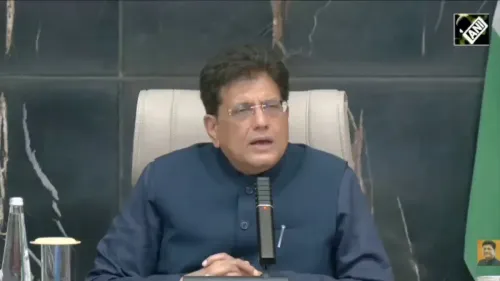
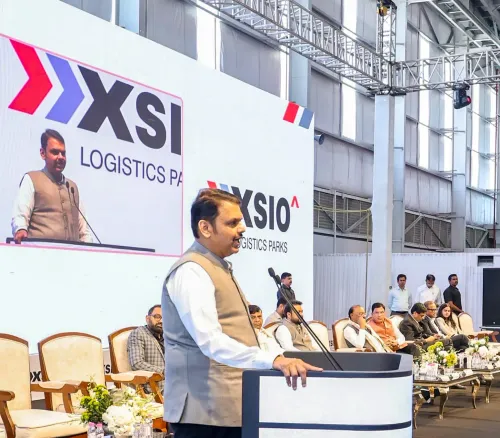
Union Textiles Minister Giriraj Singh on Monday, 25 May 2026 shared that the Department for Promotion of Industry and Internal Trade (DPIIT) has released guidelines for the BHAVYA scheme, under which 100 industrial parks will be developed across India backed by an investment push of ₹33,660 crore.
Context
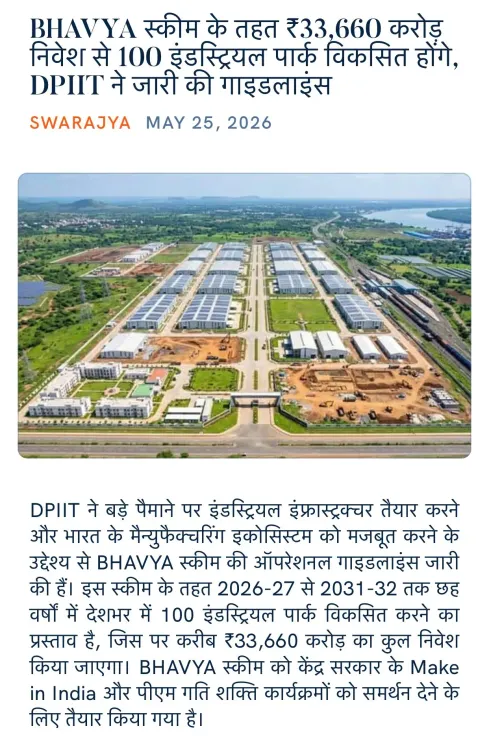
Singh posted on X via the NaMo App, highlighting that DPIIT — the nodal agency under the Ministry of Commerce and Industry — has issued formal guidelines to operationalise the BHAVYA scheme. The post, written in Hindi, reads: 'BHAVYA स्कीम के तहत ₹33,660 करोड़ निवेश से 100 इंडस्ट्रियल पार्क विकसित होंगे, DPIIT ने जारी की गाइडलाइंस' — meaning '100 industrial parks will be developed under the BHAVYA scheme with an investment of ₹33,660 crore; DPIIT has issued guidelines.'
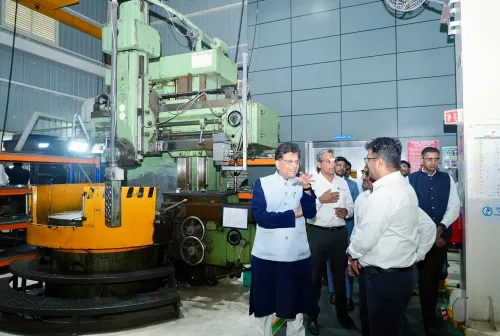
The minister's amplification of a DPIIT-led initiative from his textiles portfolio reflects the cross-ministerial coordination that underpins India's broader manufacturing ecosystem push. Industrial parks with plug-and-play infrastructure have long been central to attracting both domestic and foreign investors into greenfield manufacturing.
Policy Backdrop
The BHAVYA scheme sits within a policy lineage that traces back to the Make in India initiative launched in September 2014, which sought to position India as a global manufacturing destination and channel foreign direct investment into industrial infrastructure. That effort was complemented in 2021 by the PM Gati Shakti National Master Plan, which integrated multi-modal connectivity — roads, railways, ports, and industrial corridors — into a single planning framework.
Successive central governments have pursued dedicated industrial infrastructure programmes to decongest existing clusters and establish new greenfield parks. DPIIT has historically issued model guidelines for such parks under frameworks linked to the National Industrial Policy, and the release of the BHAVYA guidelines follows that established pattern.
Stakeholders and Impact
The primary beneficiaries of the scheme are industrial investors — both large corporates and small and medium enterprises — who stand to gain access to purpose-built, well-connected manufacturing zones. State governments are equally key stakeholders, as they will be responsible for identifying land parcels, providing complementary infrastructure, and formally adopting the DPIIT guidelines within their own industrial policy frameworks.
With 100 parks targeted and an investment envelope of ₹33,660 crore, the scheme, if fully implemented, would represent one of the largest coordinated industrial park rollouts in recent years. The textiles sector — overseen by Singh's own ministry — is among the industries that could benefit from dedicated clusters within the programme.
What's Next
The immediate focus will be on state-level adoption of the DPIIT guidelines and the selection of locations for the proposed parks, which is expected to feature in subsequent central and state budget allocations. The pace at which states submit proposals and the Centre approves site selections will determine whether the ₹33,660 crore investment target translates into ground-level construction within the announced timelines.
Analysts and industry bodies will watch closely to see whether the BHAVYA scheme dovetails with existing industrial corridor projects under PM Gati Shakti, and whether the guidelines include provisions for sector-specific parks — such as textiles, electronics, or pharmaceuticals — that align with India's production-linked incentive architecture.
Point of View
The scheme's credibility will ultimately rest on how quickly state governments translate central guidelines into land acquisition and construction. This announcement also reinforces the BJP government's consistent messaging that manufacturing-led growth, anchored in infrastructure, remains the central economic narrative heading into the next electoral cycle.
NationPress
9 Oct 2026
Frequently Asked Questions
What is the BHAVYA scheme?
The BHAVYA scheme is a central government initiative under which 100 industrial parks are to be developed across India, backed by an investment of ₹33,660 crore , with DPIIT having issued the operational guidelines in May 2026.
Which ministry released the BHAVYA scheme guidelines?
The guidelines were released by the Department for Promotion of Industry and Internal Trade (DPIIT) , which functions under the Ministry of Commerce and Industry .
What is the investment target under the BHAVYA scheme?
The scheme targets an investment of ₹33,660 crore to develop 100 industrial parks across the country.
Why did Textiles Minister Giriraj Singh post about a DPIIT scheme?
Singh shared the announcement to highlight the government's broader manufacturing push; the textiles sector stands to benefit from dedicated industrial clusters, and the post reflects inter-ministerial coordination on India's industrial infrastructure agenda.
How does the BHAVYA scheme relate to Make in India and PM Gati Shakti?
The BHAVYA scheme is part of a policy lineage that includes the Make in India initiative launched in 2014 and the PM Gati Shakti National Master Plan of 2021 , both aimed at building integrated industrial and logistics infrastructure to attract manufacturing investment.