Bhupender Yadav: India's Ramsar Sites Hit 103

Synopsis
India's Ramsar tally reaches 103 as Union Environment Minister Bhupender Yadav announces Sukhna Lake in Chandigarh and Sauj Jheel in Uttar Pradesh as the newest designated wetland sites, bolstering the Modi government's biodiversity and water-security agenda under the Amrit Dharohar scheme.
Key Takeaways
India's Ramsar tally has reached 103 sites with two new additions announced on October 15, 2026 .
Sukhna Lake (Chandigarh) and Sauj Jheel (Uttar Pradesh) are the latest internationally recognised wetlands.
The designations are linked to the Amrit Dharohar scheme , launched under the 2023-24 Union Budget to promote community-led wetland stewardship.
India acceded to the Ramsar Convention in 1982 ; designations have accelerated sharply in recent years.
Union Minister Bhupender Yadav framed the milestone around biodiversity, water security, climate resilience, and local livelihoods.
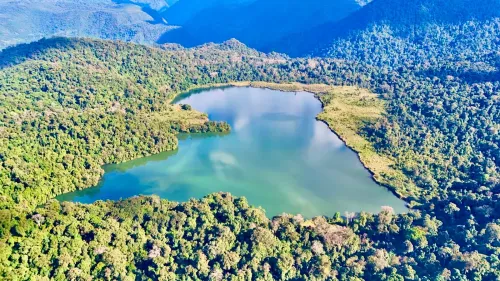
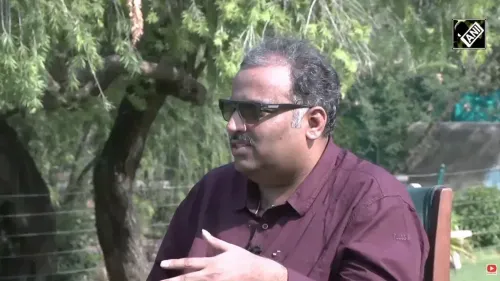
India's wetland map just got two new stars. Union Environment Minister Bhupender Yadav announced on Thursday, October 15, 2026, that Sukhna Lake in Chandigarh and Sauj Jheel in Uttar Pradesh have been designated as Ramsar Sites, pushing the country's total tally to 103 — a milestone that cements India's position as one of the world's most active Ramsar nations.
Sukhna Lake and Sauj Jheel join a globally recognised wetland list
The Ramsar Convention, signed in 1971 in the Iranian city of Ramsar, is the world's principal international framework for wetland conservation. India became a party to it in 1982, and the pace of new designations has accelerated sharply in recent years as biodiversity and water-security concerns move up the policy agenda. Sukhna Lake — the beloved urban reservoir at the foot of the Shivaliks that defines Chandigarh's identity — joins Sauj Jheel, a lesser-known but ecologically significant wetland in Uttar Pradesh, on a list that includes some of the planet's most important aquatic habitats.
Yadav's post congratulated both Uttar Pradesh and Chandigarh for the achievement, and added a notably personal note: 'Dear travellers, do visit Sukhna and Sauj next time you have a couple days at hand.' The invitation signals an emerging 'wetland tourism' dimension to government messaging — conservation not just as ecological duty but as lived experience.
Amrit Dharohar: the scheme driving India's wetland push
The two new designations carry the hashtag #AmritDharohar — the Central government's flagship wetland conservation scheme, announced in the 2023-24 Union Budget. The scheme aims to strengthen community stewardship of wetlands, unlock livelihood opportunities for local populations, and integrate domestic conservation goals with India's commitments under the Ramsar framework. Yadav described the additions as a 'milestone' that highlights the 'importance PM Narendra Modi's government has been laying on wetlands in conserving biodiversity, enhancing water and climate security, and sustaining local livelihoods.'
The framing is deliberate: wetlands are no longer just ecological reserves in official messaging — they are presented as multi-purpose assets for climate resilience, water security, and rural incomes. That trifecta has driven a steady drumbeat of Ramsar additions over the past several years.
What 103 Ramsar sites means for India's global standing
A tally of 103 internationally recognised wetland sites places India among the handful of countries that have most aggressively expanded their Ramsar networks. Each designation brings formal obligations around monitoring, conservation planning, and sustainable use — making the number not just a badge of honour but a set of governance commitments. The next test will be implementation: how quickly the Amrit Dharohar framework is operationalised at Sukhna and Sauj Jheel, and whether further state-level proposals are in the pipeline. India's wetland story, it turns out, is still very much being written.
Point of View
An urban icon, with Sauj Jheel, a rural wetland, is strategically broad: it signals that the conservation agenda spans cities and hinterlands alike. The Amrit Dharohar scheme adds a socio-economic layer that makes wetland policy harder to dismiss as elite environmentalism. The real pressure now is on delivery — whether governance and funding at site level match the ambition of the designations.
NationPress
15 Oct 2026
Frequently Asked Questions
What is India's current Ramsar site count in 2026?
India's Ramsar site count has reached 103, with Sukhna Lake in Chandigarh and Sauj Jheel in Uttar Pradesh being the latest additions as announced in October 2026.
What is Sukhna Lake and why has it been designated a Ramsar site?
Sukhna Lake is a freshwater reservoir in Chandigarh built at the foothills of the Shivalik range. It has been designated a Ramsar site in recognition of its ecological importance, biodiversity value, and role in water security for the region.
What is the Amrit Dharohar scheme?
Amrit Dharohar is a Central government scheme announced in the 2023-24 Union Budget to strengthen wetland conservation, promote community stewardship, and unlock livelihood opportunities linked to India's Ramsar sites.
When did India join the Ramsar Convention?
India became a party to the Ramsar Convention — the 1971 international treaty on wetland conservation — in 1982.
Where is Sauj Jheel located?
Sauj Jheel is a wetland located in Uttar Pradesh, India, and has been newly designated as a Ramsar site as part of India's expanding network of internationally recognised wetlands.