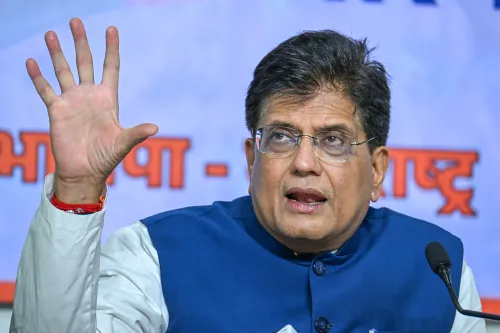
Bhupender Yadav marks 12 years of Make in India
Synopsis
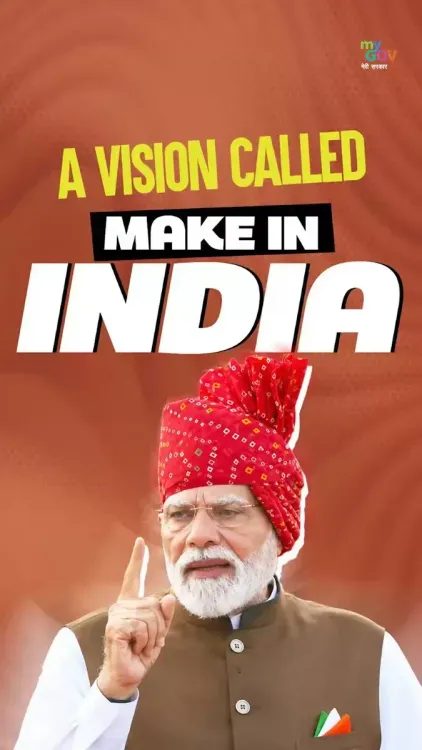
Union Environment Minister Bhupender Yadav marked the 12th anniversary of Make in India on 25 September 2026, crediting PM Modi's flagship manufacturing drive with putting India's self-reliance story on the global map. The initiative, launched in 2014, has since been reinforced by PLI schemes and the Atmanirbhar Bharat push.
Key Takeaways
Make in India turned 12 years old on 25 September 2026 , having been launched by PM Modi on the same date in 2014.
The initiative originally targeted 25 priority sectors to raise manufacturing's share of GDP and attract foreign investment.
Production Linked Incentive (PLI) schemes , rolled out from 2020 , extended Make in India's reach into semiconductors, smartphones, pharma, and solar energy.
The Atmanirbhar Bharat framework sharpened the mission further by targeting import reduction in strategic sectors.
Union Minister Bhupender Yadav framed the anniversary as evidence of India 'scripting a powerful new story of self-reliance.' Analysts and investors will watch for fresh DPIIT announcements or PLI expansions that often follow high-profile Make in India messaging.
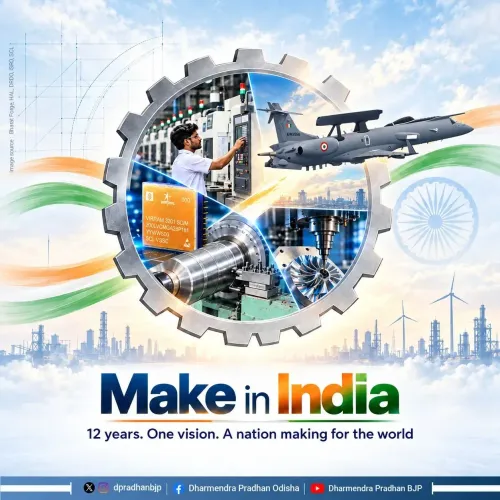
Twelve years after Prime Minister Narendra Modi unveiled it on 25 September 2014, Make in India has grown from a campaign slogan into a cornerstone of India's economic identity — and Union Environment Minister Bhupender Yadav marked the anniversary on Friday, 25 September 2026, calling it proof that India is 'scripting a powerful new story of self-reliance with world class innovations.'
Twelve years since the factory floor moment
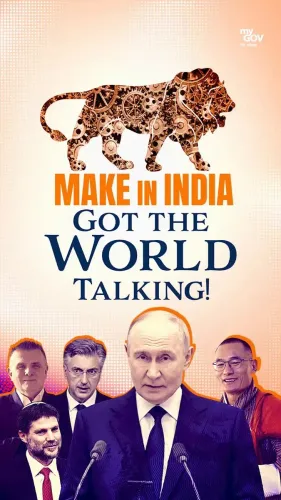
When Modi launched Make in India at Vigyan Bhawan, New Delhi in September 2014, the pitch was straightforward: raise manufacturing's share of GDP, ease the cost of doing business, and pull foreign capital into 25 priority sectors — from defence and automobiles to textiles and electronics. The spinning-wheel lion logo became one of the most recognised symbols of post-2014 economic branding. What the initiative signalled, more than any single factory, was a deliberate re-orientation of India's growth story away from services-only dependence.
PLI schemes and the Atmanirbhar pivot
Make in India did not stand alone for long. From 2020 onward, the government rolled out Production Linked Incentive (PLI) schemes across more than a dozen sectors — semiconductors, smartphones, pharmaceuticals, solar modules — designed to financially reward companies that scaled domestic output. The Atmanirbhar Bharat framework, announced during the pandemic years, sharpened the original premise: cut import dependence in strategic sectors, not just attract FDI. Together, the three pillars — Make in India, PLI, and Atmanirbhar Bharat — form the interlocking architecture of India's current industrial policy.
What the anniversary moment means for investors
Anniversaries in Indian politics rarely stay ceremonial. High-profile government messaging around Make in India typically precedes investment summits, fresh FDI data releases, or PLI expansion announcements by the Department for Promotion of Industry and Internal Trade (DPIIT). Domestic manufacturers and global supply-chain strategists will be watching closely for any new scheme expansions or sector-specific incentives that could follow in the weeks ahead. The global scramble to diversify manufacturing away from single-country dependencies has only made India's pitch more competitive — and more consequential.
Point of View
And India is competing hard for that redirected capital. Yadav's post signals that the BJP intends to claim the manufacturing narrative as an electoral and diplomatic asset heading into future cycles. The layering of PLI schemes atop the original Make in India framework shows policy continuity, but also an acknowledgment that sloganeering alone was insufficient — hard financial incentives were needed to move the needle. The real test is whether upcoming FDI and output data justify the celebratory framing.
NationPress
25 Sept 2026
Frequently Asked Questions
When was Make in India launched?
Make in India was launched by Prime Minister Narendra Modi on 25 September 2014 at Vigyan Bhawan, New Delhi, targeting 25 priority sectors to boost domestic manufacturing and attract foreign investment.
What is the connection between Make in India and PLI schemes?
Production Linked Incentive (PLI) schemes , rolled out from 2020, are the financial backbone that reinforces Make in India by directly rewarding companies for scaling up domestic production in sectors like semiconductors, smartphones, and pharmaceuticals.
What did Bhupender Yadav say about Make in India on its 12th anniversary?
Union Environment Minister Bhupender Yadav posted on X that India is 'scripting a powerful new story of self-reliance with world class innovations' and credited PM Modi's leadership for Make in India capturing global attention over 12 years .
How does Atmanirbhar Bharat relate to Make in India?
Atmanirbhar Bharat , announced during the pandemic years, deepened Make in India's mission by specifically targeting import reduction in strategic sectors — moving the policy from attracting investment to actively building supply-chain independence.
What should investors watch for after the Make in India anniversary?
Analysts track DPIIT announcements, fresh FDI data for manufacturing sectors, and potential new PLI scheme expansions that often accompany or follow high-profile government messaging around Make in India milestones.