Bihar CM Samrat Choudhary flags urea self-reliance push

Synopsis
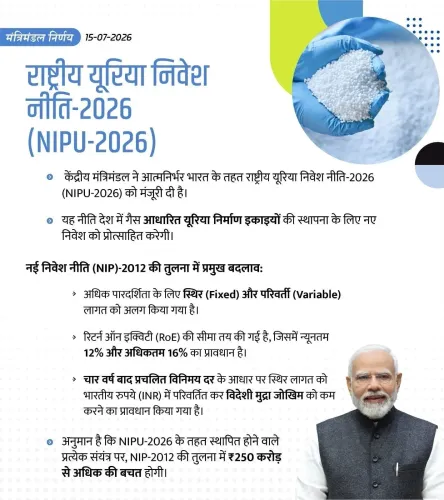
Bihar CM Samrat Choudhary says the Modi government has cleared six new urea plants worth ₹54,000 crore, putting farmer supply and Atmanirbhar Bharat above global fertiliser shocks.
Key Takeaways
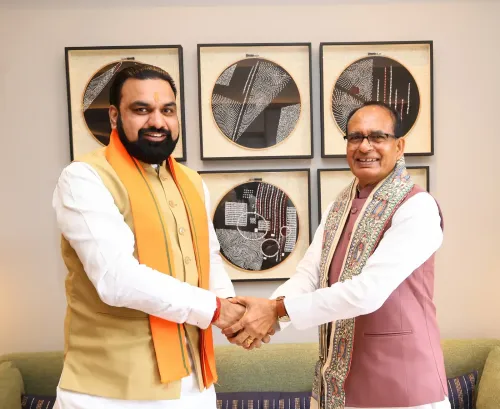
Bihar Chief Minister Samrat Choudhary on 28 November 2026 backed the Centre's farmer and fertiliser priority under PM Narendra Modi.
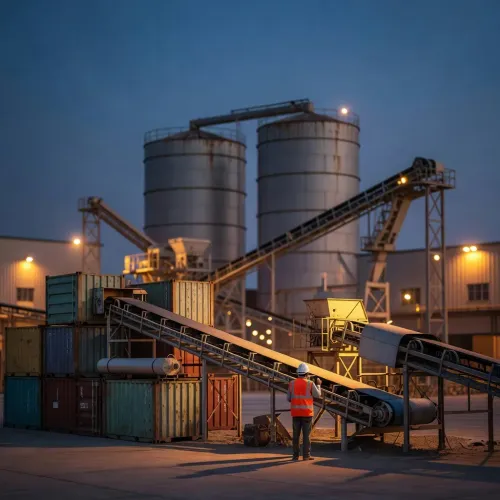
He said six new urea plants had been approved with an investment of ₹54,000 crore to raise domestic output.
He linked the move to Atmanirbhar Bharat, food security and lower import dependence, using the tag #AtmanirbharKisan.
India has long imported a substantial share of urea, with supply risk from regions including West Asia.
Between 2015 and 2019 the Centre approved revival of several closed urea plants; Atmanirbhar Bharat launched in 2020.
When fertiliser cargoes snarl and unrest in West Asia rattles global markets, Indian farms feel the shock first. Bihar Chief Minister Samrat Choudhary on Saturday, 28 November 2026 put that risk on the table, arguing that the Centre under Prime Minister Narendra Modi has kept farmers' interests and uninterrupted urea supply at the top of the list.
In a Hindi post on X, Choudhary wrote: 'Farmers' prosperity, the country's food security and the strengthening of Atmanirbhar Bharat, this is the Modi government's priority.' Even amid global challenges and the crisis in West Asia, he said, the central government had treated farmers' welfare and the seamless availability of fertilisers as the highest priority.
He called the approval of six new urea plants with an investment of ₹54,000 crore an important step to raise domestic production and cut import dependence. Modern technology and stronger infrastructure, he added, are taking India towards self-reliance in fertilisers. He closed with sashakt kisan, samriddh krishi aur atmanirbhar Bharat (a strong farmer, prosperous agriculture and a self-reliant India), under the tag #AtmanirbharKisan.
Choudhary cites six plants and ₹54,000 crore
Those figures are the Chief Minister's own account of the Centre's fertiliser drive. He framed the package as a lift for farm supply and a cut in India's long-standing urea import bill. Construction calendars, commissioning and actual output will decide whether the claim translates into more bags in the mandi.
West Asia shocks and the urea import bind
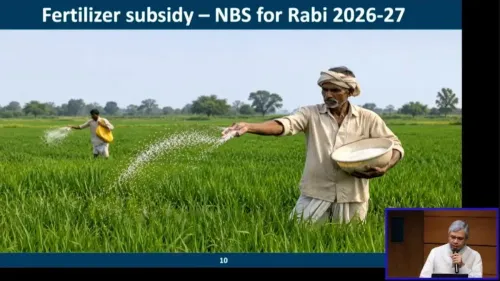
India has long imported a substantial share of its urea. That leaves sowing seasons exposed to global price spikes and to supply risk from producing regions that include West Asia. A disruption far from Bihar's fields can still hit a smallholder's input cost overnight.
Governments have tried to close the gap by adding domestic capacity, upgrading technology and building plant infrastructure. The aim is stable urea at predictable prices, and a buffer for food security.
From revived plants to Atmanirbhar Bharat
Between 2015 and 2019 the Centre approved the revival of several closed urea plants to rebuild production. Atmanirbhar Bharat, launched in 2020, folded fertilisers into a wider self-reliance drive: more manufacturing at home, fewer foreign cargoes.
Choudhary's message stitches that lineage to today's farm politics. The slogan is already in circulation. The proof will be the first tonnes off those new lines, and a urea import bill that finally bends.
Point of View
From the 2015-2019 plant revivals through Atmanirbhar Bharat. The strategic logic is blunt: import dependence turns West Asian shocks into rural price pain. Delivery is the sharper test — whether plants are commissioned on time and whether import volumes and subsidy outgo actually fall. For a farm-heavy state, that is next season's input bill, not a slogan.
NationPress
28 Nov 2026
Frequently Asked Questions
What did Samrat Choudhary say about urea plants?
Bihar Chief Minister Samrat Choudhary said the Centre had approved six new urea plants with an investment of ₹54,000 crore. He presented the move as a way to raise domestic production, cut import dependence and support farmers under Atmanirbhar Bharat.
Why is India trying to produce more urea at home?
India has long imported a substantial share of its urea, which exposes farmers to global price swings and supply risks from regions such as West Asia. Expanding domestic plants is meant to stabilise availability and support food security.
What is Atmanirbhar Bharat in the fertiliser sector?
Atmanirbhar Bharat is the self-reliance initiative launched in 2020 that includes expanding domestic manufacturing in fertilisers. The stated goal is less import dependence through new capacity, technology upgrades and infrastructure.
Who is Samrat Choudhary?
Samrat Choudhary is the Chief Minister of Bihar and a senior BJP leader. On 28 November 2026 he publicly backed the Centre's fertiliser self-reliance drive and the approval of new urea plants.
How does the West Asia crisis affect Indian farmers?
Unrest in West Asia can disrupt fertiliser trade routes and prices because India has historically sourced a share of urea from global markets linked to that region. Domestic production is therefore framed as a buffer for sowing seasons.