CM Samrat Choudhary: Bihar gives free power to 1.70 cr families
Synopsis
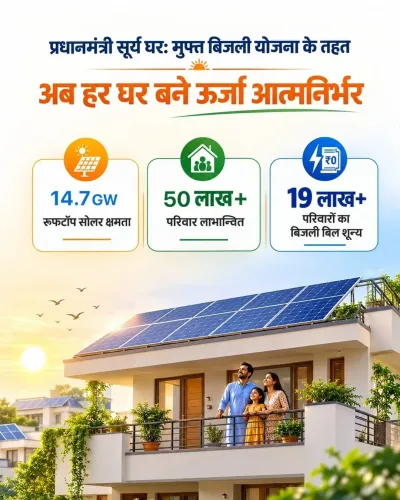
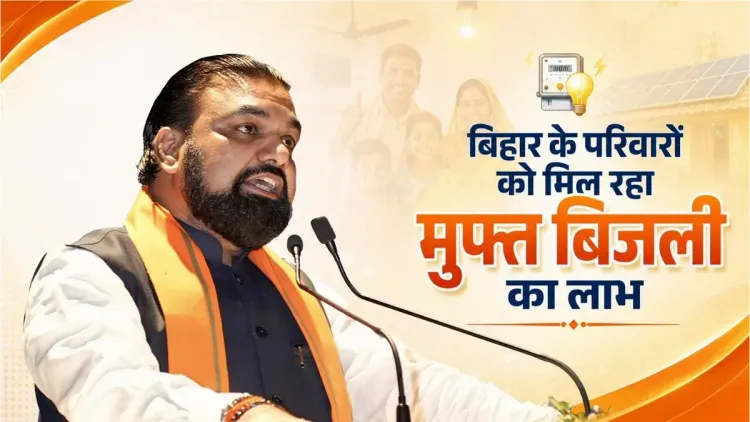
Bihar CM Samrat Choudhary announced on 21 July 2026 that 1.70 crore families across the state now receive up to 125 units of free electricity monthly — a decision the government attributes to feedback from JEEViKA women self-help group members.
Key Takeaways
1.70 crore Bihar families are receiving up to 125 units of free electricity per month under a state government scheme.
CM Samrat Choudhary announced the development on 21 July 2026 , attributing the decision to suggestions from Jeevika Didis .
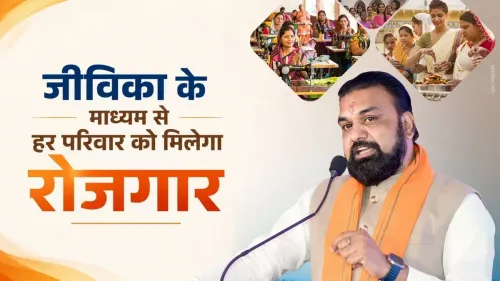
The scheme is framed as an outcome of the JEEViKA women's self-help group network acting as a civic feedback channel to the government.
CM Choudhary described the initiative as 'not merely a scheme' but a result of 'women's trust, public dialogue, and good governance.' The announcement reinforces the JEEViKA programme's expanding role beyond microcredit into shaping state-level welfare policy.
The fiscal and operational details — billing mechanism, tariff above 125 units, and total government outlay — are yet to be publicly detailed.
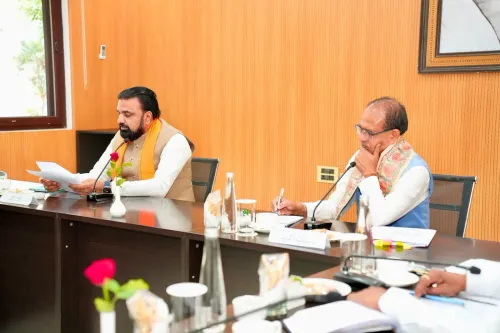
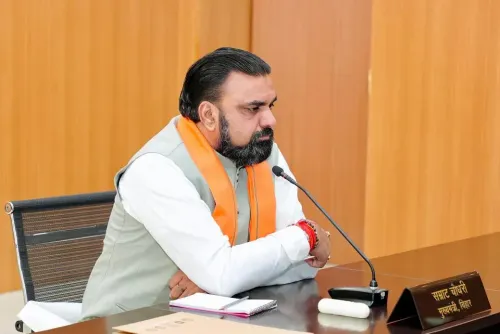
Bihar Chief Minister Samrat Choudhary on Tuesday, 21 July 2026 announced that the state government has extended free electricity of up to 125 units to 1.70 crore families across Bihar, crediting the decision to suggestions received from Jeevika Didis — the women self-help group members enrolled under the JEEViKA programme.
Context
Posting in Hindi on X, CM Choudhary stated that the Bihar government listened 'sensitively' to the suggestions of Jeevika Didis before taking this 'big decision.' He described the free electricity scheme not merely as a policy measure but as 'a powerful outcome of women's trust, public dialogue, and good governance.' His post carried the hashtag #JEEViKA, directly linking the electricity benefit to the state's flagship women's livelihood mission.
The Chief Minister framed the initiative in broader developmental terms, writing: 'Janbhagidari se jankallyan, aur jankallyan se samridh Bihar' — 'From public participation to public welfare, and from public welfare to a prosperous Bihar — this is the core mantra of our development journey.'
Policy Backdrop
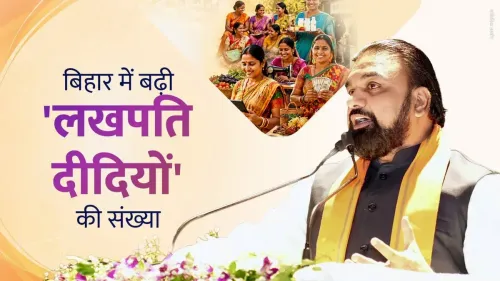
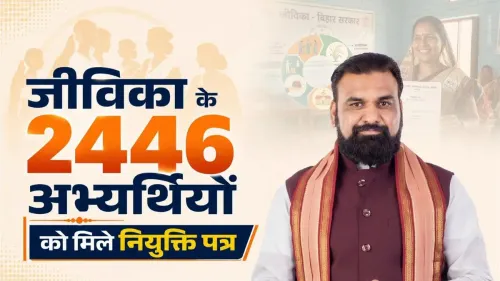
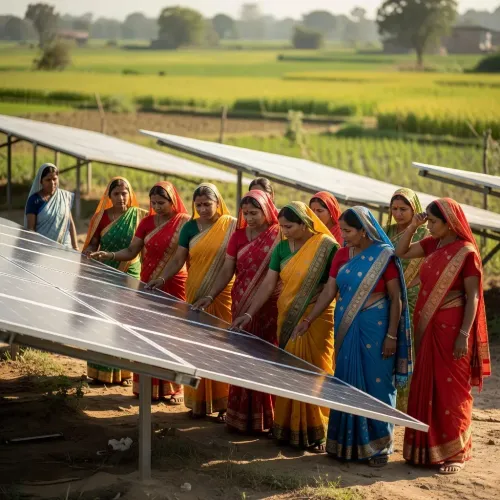
JEEViKA, formally the Bihar Rural Livelihoods Promotion Society (BRLPS), is one of India's largest rural livelihood programmes, mobilising women into self-help groups across all 38 districts of Bihar. The network has grown to encompass tens of thousands of SHGs, giving the state government a direct feedback channel into rural households — the same channel CM Choudhary cited as the trigger for this electricity decision.
Free or subsidised electricity for domestic consumers has become a prominent feature of state welfare policy across India, with multiple governments offering zero-cost units to lower-income households. Bihar's announcement of 125 free units per month for 1.70 crore families places the scheme among the larger such interventions in the country by sheer beneficiary count.
Stakeholders and Impact
The primary beneficiaries are 1.70 crore households — a figure that, at an average household size of roughly five persons, translates to a significant share of Bihar's total population of approximately 13 crore. Rural and semi-urban families with modest electricity consumption stand to gain the most, as 125 units per month covers basic lighting, fans, and small appliances.
Jeevika Didis — the grassroots women leaders who flagged electricity access as a household burden — are positioned by the government as co-authors of the policy. This framing reinforces the JEEViKA network's role beyond microcredit and livelihoods, extending it into a civic feedback mechanism that shapes state-level decisions.
What's Next
The announcement raises immediate questions about implementation: the billing mechanism for zero-cost units, the consumption threshold above which normal tariffs apply, and the fiscal outlay the Bihar government will absorb. With Bihar assembly elections on the horizon, the scheme is likely to attract scrutiny over both its delivery architecture and its political timing.
If the JEEViKA-to-policy pipeline is institutionalised, it could set a replicable model for other states seeking to embed SHG networks into governance feedback loops — a development that would have implications well beyond Bihar's borders.
Point of View
CM Choudhary is doing more than announcing a welfare measure — he is positioning Bihar's vast JEEViKA network as a legitimate governance input channel, which carries both policy and political weight. The move fits a broader BJP pattern of wrapping large fiscal commitments in the language of participatory governance and women's empowerment, making the scheme harder to critique on purely populist grounds. With Bihar elections approaching, a benefit reaching 1.70 crore households will sharpen the electoral arithmetic considerably. The durability of the scheme will ultimately depend on whether the state's power utility can sustain the fiscal burden without service-quality trade-offs for other consumers.
NationPress
20 Oct 2026
Frequently Asked Questions
How many units of free electricity is Bihar giving to families?
Bihar is providing up to 125 units of free electricity per month to eligible households under the scheme announced by CM Samrat Choudhary.
How many families will benefit from Bihar's free electricity scheme?
1.70 crore families across Bihar are covered under the free electricity scheme as stated by Chief Minister Samrat Choudhary on 21 July 2026.
What is JEEViKA and what is its role in Bihar's electricity scheme?
JEEViKA is Bihar's flagship rural livelihoods programme that organises women into self-help groups. CM Choudhary credited Jeevika Didis — the programme's women members — with suggesting the free electricity benefit to the government.
Who announced Bihar's free electricity scheme in 2026?
Bihar Chief Minister Samrat Choudhary announced the scheme on 21 July 2026 via a post on X, linking it directly to the JEEViKA women's self-help group network.
Is Bihar's free electricity scheme new or already running?
According to CM Choudhary's post, the scheme is already operational — he stated that 1.70 crore families 'are receiving' free electricity of up to 125 units, indicating the benefit is currently active.