Lok Sabha Speaker Om Birla hopes Nari Shakti Vandan Adhiniyam moves to implementation
Synopsis
Lok Sabha Speaker Om Birla used the stage of the first Commonwealth Women Parliamentarians India Region Conference to push for operationalising the Nari Shakti Vandan Adhiniyam — a 2023 law that reserves 33% of Lok Sabha seats for women but remains unimplemented pending delimitation. His call, combined with a push to train women legislators in AI and digital governance, signals growing institutional impatience with the law's conditional trigger.
Key Takeaways
Lok Sabha Speaker Om Birla addressed the First CWP India Region Conference in Bengaluru on 17 November 2026 .
He expressed hope that the Nari Shakti Vandan Adhiniyam (2023) , providing 33% reservation for women in Lok Sabha and State Assemblies, would move toward implementation.
Several states have already mandated 50% women's representation in Panchayats and Municipalities, Birla noted.
The Speaker called for a dedicated institutional framework to build capacities of elected women representatives from Panchayats to Parliament.
Birla proposed a dedicated AI and technology session for women MPs and legislators to strengthen their governance engagement.
He underscored the importance of mentorship by experienced women legislators to guide emerging political leaders.
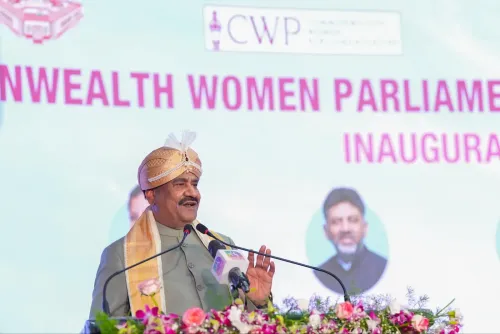
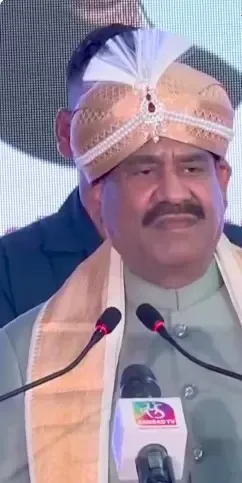
Lok Sabha Speaker Om Birla on Tuesday, 17 November 2026, called for deeper representation of women across all democratic institutions, expressing hope that the Nari Shakti Vandan Adhiniyam — the women's reservation law enacted in 2023 — would soon move toward implementation. Birla made the remarks while inaugurating the First Commonwealth Women Parliamentarians (CWP) India Region Conference in Bengaluru.
Key Remarks at the CWP Conference
Addressing the gathering, Birla said women must have an effective role in leadership, policymaking, and law-making. He referenced the Nari Shakti Vandan Adhiniyam, which provides for 33 per cent reservation of seats for women in the Lok Sabha and State Legislative Assemblies, and expressed hope that this provision would be operationalised, enabling women's political leadership to extend from Panchayats to Parliament, according to an official statement.
Birla noted that several states have already mandated 50 per cent representation of women in Panchayats and Municipalities, calling it a positive precedent for the national legislature to follow.
Women as Pillars of Democratic Accountability
'Women bring sensitivity, commitment and a strong sense of responsibility to public life, qualities that are particularly important in addressing the aspirations and challenges of society,' Birla said. He argued that greater participation of women in legislative institutions and decision-making processes would contribute to building a 'stronger, more sensitive and accountable democracy.'
Birla also emphasised the value of mentorship — urging experienced women legislators to guide emerging leaders, strengthening their legislative skills and leadership capabilities.
Technology and AI in Women's Governance
The Speaker highlighted that Artificial Intelligence (AI) and technology are transforming every sphere of social life, and when deployed responsibly, can bring significant improvements in governance. He said public representatives must leverage technology and e-governance platforms to strengthen engagement with citizens, understand grassroots problems, and ensure timely, effective solutions.
Notably, Birla indicated that a dedicated session on AI and technology would be organised specifically to enhance the capabilities of women Members of Parliament and legislators — signalling a push to bridge the digital skills gap in elected bodies.
Parliamentary Committees and Institutional Framework
Describing Parliamentary Committees as 'Mini Parliaments', Birla said these bodies have made valuable contributions toward addressing socio-economic challenges faced by women and submitted important recommendations to the government. He added that AI can further strengthen their monitoring and oversight functions.
The Speaker called for a dedicated institutional framework to build the capacities of elected women representatives — from Panchayat Sarpanches and Municipal Chairpersons to state legislators and Members of Parliament — focusing on the use of digital platforms for public engagement, monitoring, and governance transparency.
Background: The Nari Shakti Vandan Adhiniyam
The Nari Shakti Vandan Adhiniyam was passed by Parliament in 2023, but its implementation is linked to the completion of delimitation and a fresh census — processes that have yet to be formally initiated. Critics and women's rights advocates have repeatedly pointed to this conditionality as a de facto delay mechanism. Birla's remarks at the CWP conference are among the most recent high-profile calls from within Parliament's leadership for the law's provisions to be activated.
As the debate over timelines intensifies, the Speaker's statement signals continued institutional pressure to move from legislation to actual representation.
Point of View
Hostage to delimitation and census timelines that the government has not publicly committed to. The Speaker's forum of choice is telling: an international women parliamentarians' platform amplifies the message beyond domestic politics. What is missing from his call, however, is any concrete timeline or pressure on the Centre to delink implementation from delimitation — a move some legal scholars argue is constitutionally possible. Without that push, the speech risks being remembered as well-intentioned oratory rather than legislative momentum.
NationPress
17 Nov 2026
Frequently Asked Questions
What is the Nari Shakti Vandan Adhiniyam?
The Nari Shakti Vandan Adhiniyam is a law passed by India's Parliament in 2023 that provides for 33 per cent reservation of seats for women in the Lok Sabha and State Legislative Assemblies. Its implementation is currently linked to the completion of delimitation and a fresh national census, neither of which has been formally initiated.
What did Lok Sabha Speaker Om Birla say about women's reservation?
Speaking at the First Commonwealth Women Parliamentarians India Region Conference in Bengaluru on 17 November 2026, Birla expressed hope that the 33 per cent reservation under the Nari Shakti Vandan Adhiniyam would move toward implementation, enabling women's leadership to extend from Panchayats to Parliament.
Why has the Nari Shakti Vandan Adhiniyam not been implemented yet?
The law's activation is conditional on the completion of delimitation — the redrawing of constituency boundaries — and a fresh census, both of which are pending. Critics argue this conditionality effectively delays implementation by an indeterminate period.
What role did Birla say AI should play in women's governance?
Birla said AI and technology, when used responsibly, can significantly improve governance. He called for a dedicated AI and technology session for women Members of Parliament and legislators, and urged that women elected representatives be trained to use digital platforms for public engagement, monitoring, and transparency.
Which states already have higher women's representation in local bodies?
According to Birla's remarks at the conference, several Indian states have already legislated 50 per cent representation of women in Panchayats and Municipalities, which he cited as a positive model for scaling up representation at the national level.