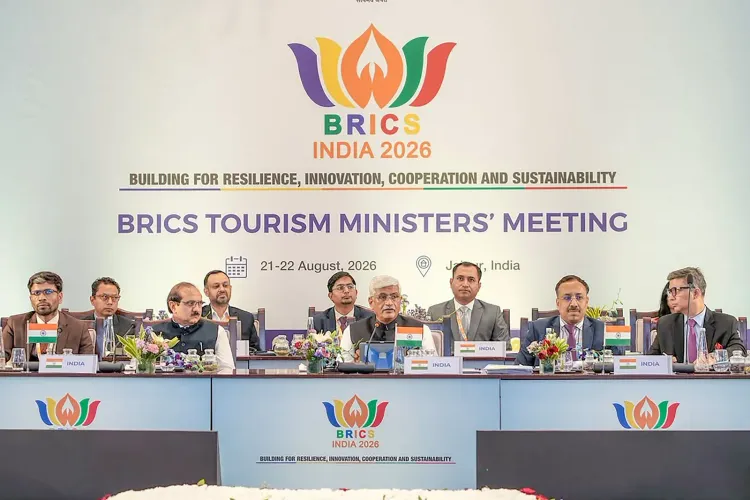
BRICS Tourism Ministers adopt Jaipur Declaration at India-chaired meet
Synopsis
India used its BRICS Chairship to push tourism beyond leisure diplomacy — the Jaipur Declaration locks in multilateral commitments on AI-driven travel, sustainable tourism, and seamless cross-border mobility among some of the world's largest emerging economies, with bilateral deals signed on the sidelines with Brazil, Iran, South Africa, and the UAE.
Key Takeaways
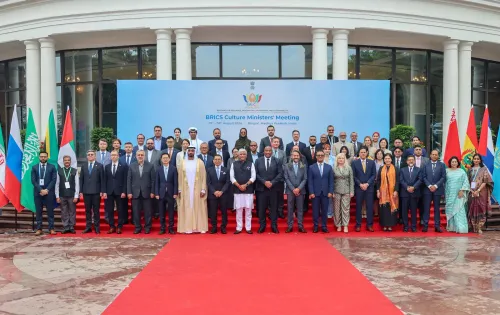
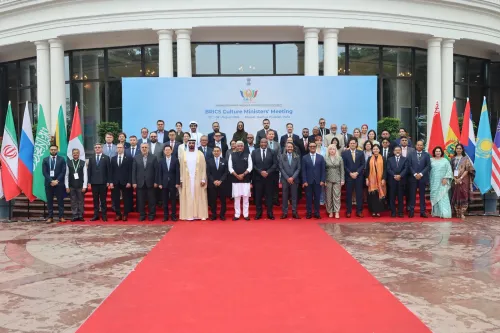
The Jaipur Declaration (BRICS Tourism Ministers' Communiqué 2026) was unanimously adopted on 21 August 2026 in Jaipur .
The meeting was chaired by Union Minister Gajendra Singh Shekhawat under India's BRICS Chairship 2026 .
Four thematic priorities: AI and Tourism , Sustainability , Skilling , and Seamless Travel Facilitation .
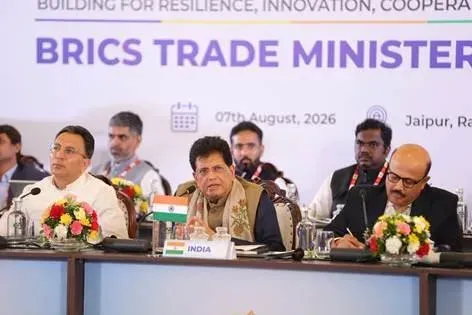
India held bilateral tourism talks with Brazil , Iran , South Africa , and the UAE on the sidelines.
Ministers are scheduled to visit Hawa Mahal , City Palace , and Amber Fort on 22 August 2026 .
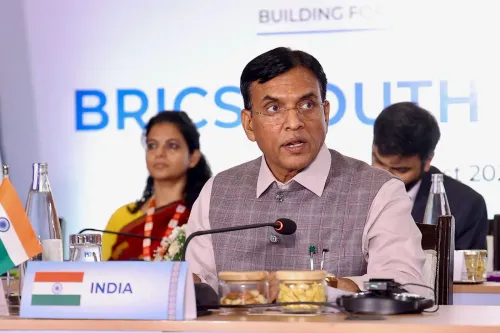
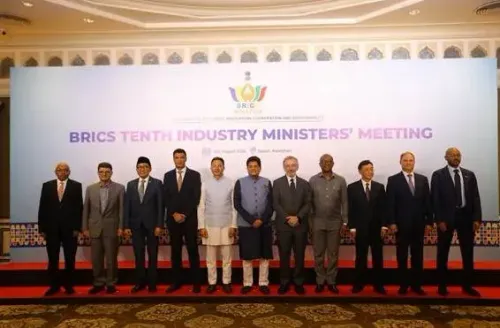
The BRICS Tourism Ministers' Meeting concluded in Jaipur on 21 August 2026 with the unanimous adoption of the BRICS Tourism Ministers' Communiqué 2026, widely referred to as the Jaipur Declaration, establishing a cooperative framework for tourism among BRICS Member States. The meeting was chaired by Union Minister for Culture and Tourism Gajendra Singh Shekhawat and marked the culmination of the BRICS Tourism Track under India's Chairship in 2026.
What the Jaipur Declaration Covers
The declaration is built around four thematic priorities developed by the BRICS Tourism Working Group during India's Chairship: Artificial Intelligence and Tourism; Sustainability and Responsible Tourism; Tourism Skilling and Capacity Building; and Tourism Exchanges and Seamless Travel Facilitation. The communiqué recognises the transformative potential of responsible, safe, and human-centred AI and digital technologies in tourism planning, destination management, visitor services, multilingual communication, and travel facilitation.
It also underscores sustainable and community-centred tourism, protection of natural and cultural heritage, tourism investment and infrastructure, and the promotion of diverse tourism products across member nations.
What India's Minister Said
Addressing the gathering, Minister Shekhawat said tourism plays a critical role in India's trajectory toward Viksit Bharat by 2047, with a unique capacity to extend economic benefits beyond metropolitan centres to towns, villages, and remote regions. He noted that the sector supports livelihoods across a wide spectrum — from hotel operators and homestay owners to taxi drivers, artisans, weavers, farmers, and entrepreneurs.
Shekhawat remarked, 'Tourism ultimately connects people. It creates opportunities for communities, enables cultural exchange and allows citizens of our countries to understand one another beyond the formal relationships between governments.'
Bilateral Engagements on the Sidelines
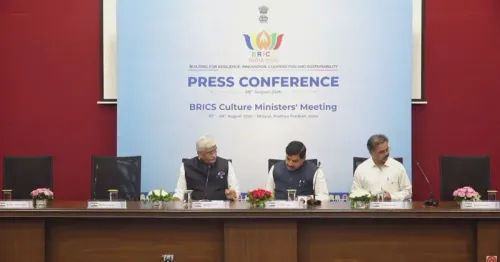
On the sidelines of the ministerial meeting, India held bilateral discussions with delegations from Brazil, Iran, South Africa, and the United Arab Emirates. These engagements focused on advancing bilateral tourism cooperation. India also convened a press conference to highlight the key outcomes of the BRICS Tourism Track under its Chairship.
Cultural Showcase and Heritage Visits
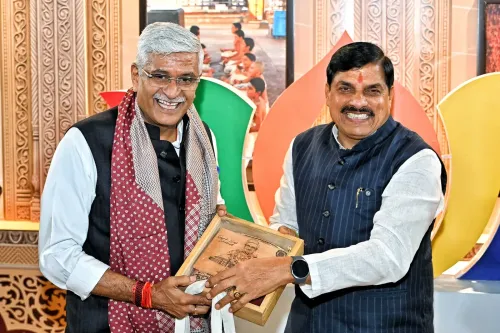
As part of the ministerial programme, delegates were presented with curated experiences featuring traditional arts, crafts, and community-based tourism initiatives. On 22 August 2026, ministers and delegates are scheduled to visit Jaipur's iconic heritage sites — Hawa Mahal, City Palace, and Amber Fort — as a live demonstration of the city's architectural and cultural tourism offer.
The adoption of the Jaipur Declaration sets the stage for structured multilateral tourism collaboration among BRICS nations, with implementation details expected to be taken forward by respective member states in the coming months.
Point of View
But its real test lies in implementation — BRICS nations span vastly different visa regimes, digital infrastructure levels, and tourism governance models, making 'seamless travel facilitation' a heavier lift than the communiqué language suggests. India's decision to embed AI and skilling alongside sustainability signals an attempt to future-proof the framework, but multilateral tourism pacts have historically stalled at the working-group stage. The bilateral sideline meetings with Iran and the UAE are arguably the more actionable outcomes, given those are corridors where visa friction and connectivity gaps are most commercially significant. Whether the Jaipur Declaration becomes a living instrument or a shelf document will depend on whether India, as the outgoing chair, builds in a credible review mechanism.
NationPress
6 Oct 2026
Frequently Asked Questions
What is the Jaipur Declaration adopted at the BRICS Tourism Ministers' Meeting?
The Jaipur Declaration is the BRICS Tourism Ministers' Communiqué 2026, adopted unanimously on 21 August 2026 in Jaipur under India's BRICS Chairship. It provides a cooperative framework across four priorities: AI and tourism, sustainability, skilling, and seamless travel facilitation among BRICS member states.
Who chaired the BRICS Tourism Ministers' Meeting in Jaipur?
Union Minister for Culture and Tourism Gajendra Singh Shekhawat chaired the meeting, which marked the conclusion of the BRICS Tourism Track under India's Chairship in 2026.
Which countries did India hold bilateral tourism talks with on the sidelines?
India held bilateral meetings with ministerial delegations from Brazil, Iran, South Africa, and the United Arab Emirates, focusing on advancing bilateral tourism cooperation with each country.
What role does AI play in the Jaipur Declaration?
The declaration recognises the transformative potential of responsible, safe, and human-centred AI and digital technologies in tourism. It supports cooperation in tourism planning, destination management, multilingual communication, visitor services, and travel facilitation across BRICS nations.
What heritage sites will BRICS ministers visit in Jaipur?
On 22 August 2026, ministers and delegates are scheduled to visit Hawa Mahal, City Palace, and Amber Fort in Jaipur as part of a curated heritage experience showcasing the city's architectural and cultural tourism offerings.