Amit Shah: Cabinet clears ₹23,731 cr GOBARdhan CBG scheme
Synopsis
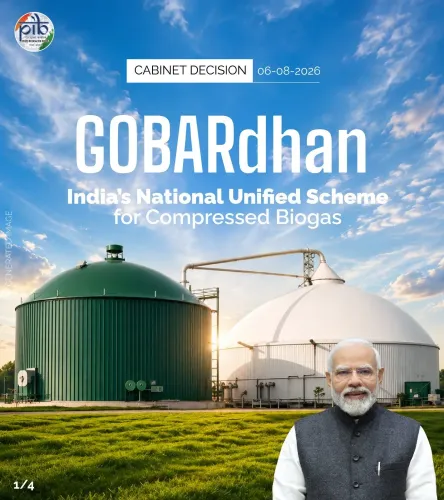
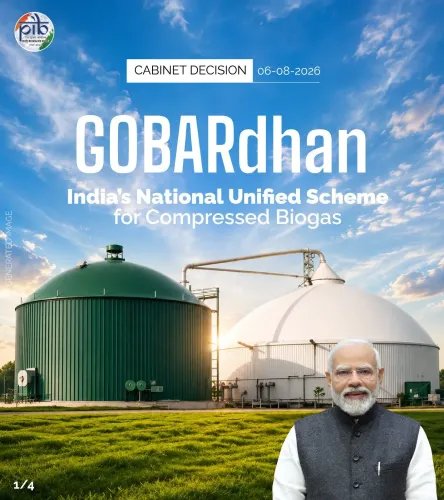
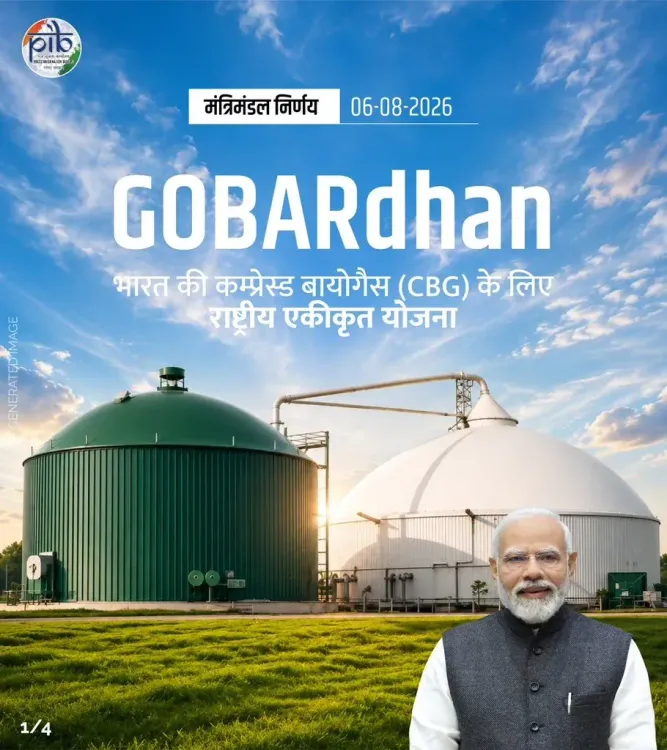
The Union Cabinet cleared a ₹23,731 crore GOBARdhan scheme on 6 August 2026 to scale Compressed Biogas production, cut natural gas imports, and generate rural income for farmers, entrepreneurs, and self-help groups through a circular bio-economy model.
Key Takeaways
The Union Cabinet approved the GOBARdhan scheme with an outlay of ₹23,731 crore on 6 August 2026 .
Compressed Biogas (CBG) is positioned as a major pillar of India's future energy mix under the plan.
The scheme is expected to reduce natural gas imports and conserve foreign exchange.
Direct beneficiaries include farmers, rural entrepreneurs, and self-help groups through a circular bio-economy model.
GOBARdhan was originally launched in 2018 under Swachh Bharat Mission-Gramin; this approval marks a major scale-up in ambition and funding.
Scientific management of agricultural and organic waste is a stated secondary objective of the scheme.
Cattle dung and crop waste are about to become strategic assets. The Union Cabinet, under Prime Minister Narendra Modi, on Thursday, 6 August 2026, approved the revamped GOBARdhan scheme with an outlay of ₹23,731 crore — a bet that Compressed Biogas can anchor India's energy future while putting money in farmers' pockets. Union Home Minister Amit Shah announced the decision on X, framing it as a decisive step toward energy security and rural prosperity.
What the ₹23,731 crore cabinet nod actually means
Shah's post, originally in Hindi, describes the scheme as making Compressed Biogas (CBG) 'a major pillar of India's future energy mix' (भारत के भविष्य के ऊर्जा मिश्रण का एक प्रमुख स्तंभ). The immediate arithmetic is straightforward: more domestic CBG production means fewer liquefied natural gas cargoes at Indian ports and less foreign exchange flowing out. The government expects the scheme to directly ease the country's natural gas import bill — a recurring pressure point on India's current account.
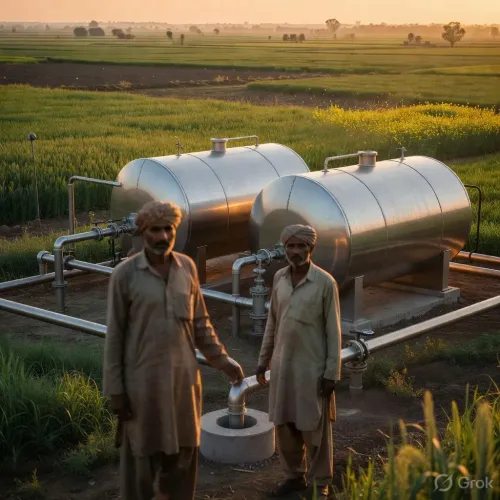
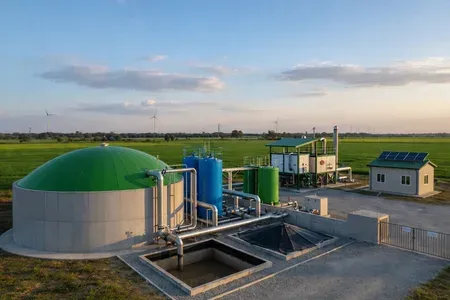
Beyond the energy ledger, the cabinet approval explicitly targets a circular bio-economy model. Agricultural and organic waste — material that currently burdens farmers or pollutes water bodies — gets converted into biogas and bio-fertiliser, generating income for farmers, rural entrepreneurs, and self-help groups simultaneously. Scientific management of farm waste is a secondary dividend the government has highlighted as part of the same pipeline.
GOBARdhan's journey from Swachh Bharat to energy-security pillar
The GOBARdhan scheme — Galvanizing Organic Bio-Agro Resources Dhan — was first launched in 2018 under the Swachh Bharat Mission-Gramin, initially conceived as a sanitation and waste-management tool. Tuesday's cabinet decision marks a significant elevation in its ambition: from a rural-cleanliness adjunct to a front-line instrument of Atmanirbhar Bharat energy policy. The scale of the fresh outlay signals that the government is moving from pilot plants and demonstration projects toward industrial-scale CBG infrastructure.
India's pursuit of reduced import dependence on fossil fuels has run through several parallel tracks — solar, wind, green hydrogen, ethanol blending. CBG now joins that roster with dedicated cabinet-level funding, completing a picture where agricultural residue, once a source of stubble-burning pollution, becomes a feedstock for clean energy.
Who gains — and what to watch next
The most direct beneficiaries are the rural economy's three pillars named in Shah's post: farmers who can monetise dung and crop waste, rural entrepreneurs who can set up or operate CBG plants, and self-help groups who can plug into the supply and distribution chain. For the broader economy, the metric to track over the next two to three years is how quickly new CBG plants are commissioned at the state level and whether the natural gas import bill shows measurable relief.
India's energy transition has often been measured in gigawatts of solar capacity or kilometres of gas pipeline. GOBARdhan's revised avatar asks a different question: can the village cowshed and the paddy field become part of the national energy grid? With ₹23,731 crore now behind the answer, the government has made its wager explicit.
Point of View
731 crore GOBARdhan approval is the clearest signal yet that the Modi government is treating bioenergy not as a fringe rural-welfare measure but as a mainstream energy-security instrument. Embedding CBG within the Atmanirbhar Bharat framework allows the government to simultaneously address import dependence, farm-waste pollution, and rural income — a politically potent trifecta ahead of state elections in agrarian belts. The scheme's success, however, will hinge on state-level execution: commissioning timelines for CBG plants have historically lagged targets in India's biofuel programmes. If the circular bio-economy model delivers measurable income gains to self-help groups and farmers, it could become a template for how India monetises agricultural residue at scale.
NationPress
21 Sept 2026
Frequently Asked Questions
What is the GOBARdhan scheme approved by the cabinet in 2026?
The GOBARdhan scheme, approved with an outlay of ₹23,731 crore in August 2026, aims to convert cattle dung and organic agricultural waste into Compressed Biogas and bio-fertiliser, reducing natural gas imports and generating rural income.
What does GOBARdhan stand for?
GOBARdhan stands for Galvanizing Organic Bio-Agro Resources Dhan. It was first launched in 2018 under the Swachh Bharat Mission-Gramin as a waste management initiative.
How will the GOBARdhan scheme help farmers?
Farmers can monetise cattle dung and crop residue as feedstock for CBG plants, generating additional income. The scheme also supports rural entrepreneurs and self-help groups within a circular bio-economy model.
Will the GOBARdhan scheme reduce India's natural gas imports?
Yes, that is a stated objective. By scaling domestic Compressed Biogas production, the government aims to substitute a portion of imported natural gas and conserve foreign exchange.
What is Compressed Biogas (CBG) and how is it different from regular biogas?
Compressed Biogas is biogas — produced from organic waste — that has been purified and compressed to a quality and pressure comparable to Compressed Natural Gas (CNG), making it suitable for use as a vehicle fuel or industrial energy source.