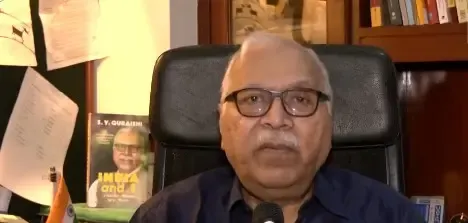
CEC powerless when outvoted, says ex-Chief Election Commissioner S Y Quraishi
Synopsis
Former Chief Election Commissioner S Y Quraishi has clarified that the CEC holds no special authority when outvoted by the other two Commissioners — a pointed reminder of institutional checks as the Supreme Court hears petitions challenging India's electoral process. His call for transparency adds weight to growing demands for accountability within the poll body.
Key Takeaways
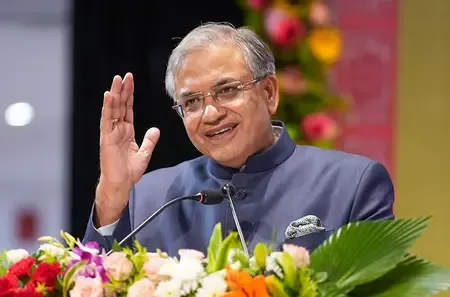
Former CEC S Y Quraishi stated on 5 November 2026 that the Chief Election Commissioner cannot override a 2-1 majority within the Election Commission. 'The CEC has no power to pass an order contrary to the majority decision of the Commission,' Quraishi said.
He welcomed Supreme Court proceedings on electoral petitions as a transparency mechanism for democracy.
Quraishi declined to endorse specific allegations but insisted that transparency is non-negotiable in a democracy.
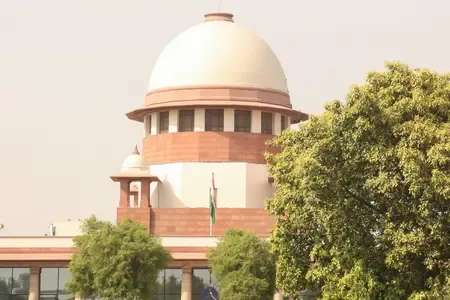
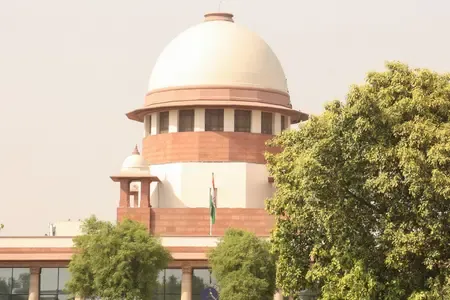
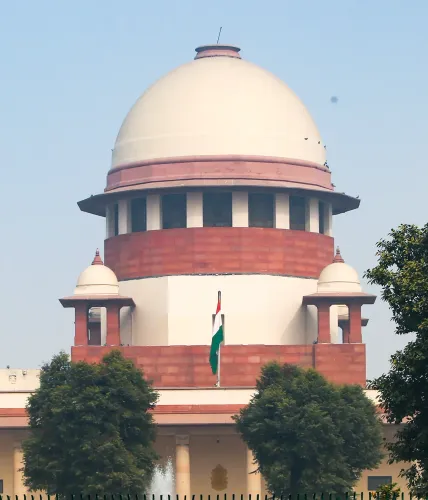
His remarks come as multiple petitions challenging aspects of India's electoral process are being heard by the Supreme Court .
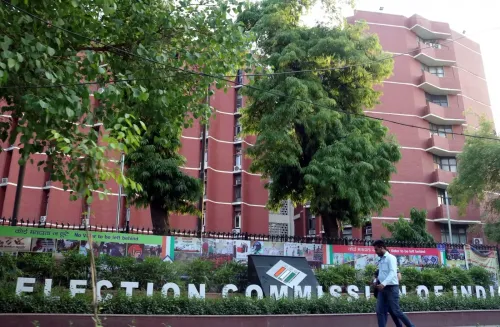
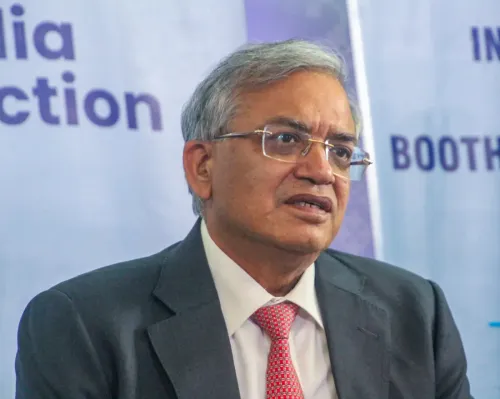
Former Chief Election Commissioner S Y Quraishi on Thursday, 5 November 2026, stated that the Chief Election Commissioner of India holds no overriding authority when outvoted by the two Election Commissioners, underscoring that the Election Commission of India (ECI) operates strictly on the principle of majority decision-making. His remarks, made in Kolkata, come as the electoral process faces intense public and judicial scrutiny, with multiple petitions being heard by the Supreme Court.
How the Election Commission Takes Decisions
Quraishi drew attention to a little-discussed structural feature of India's poll body: when the two Election Commissioners hold a view contrary to the Chief Election Commissioner, the CEC is effectively reduced to a minority of one and cannot impose his position on the Commission.
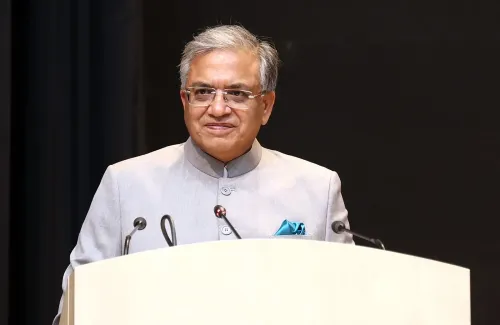
'The CEC has no power to pass an order contrary to the majority decision of the Commission. Decisions are taken collectively, and the majority view prevails,' the former CEC stated.
He explained that within the three-member body, a 2-1 majority is decisive — regardless of whether the dissenting vote belongs to the most senior official. This collective model, he noted, mirrors the democratic principle that majority opinion must ultimately prevail.
Call for Transparency Amid Supreme Court Proceedings
Quraishi also stressed that judicial scrutiny currently under way at the Supreme Court offers a vital opportunity for facts to surface. He welcomed the court proceedings as a mechanism for accountability rather than viewing them as an institutional threat.
'So many questions are being raised and are now before the Supreme Court. The court's proceedings will make it clear what went wrong and what was done right. I do not know what lies behind the allegations or claims being made. But I know one thing for certain — there must be transparency,' he said.
He added that if any action by the Commission is found improper or unlawful, judicial examination provides the platform for truth to emerge. 'Whether there are concerns about security, transparency, or any other aspect of the process, the matter is now before the Supreme Court. If something has been done incorrectly or illegally, the court's examination will bring that to light,' Quraishi noted.
Fresh Constituency Petitions and Judicial Intervention
The former CEC also acknowledged demands from certain groups seeking fresh consideration of specific constituencies and broader judicial intervention in the electoral process. He maintained, however, that the Supreme Court would determine the appropriate course of action based solely on the facts and evidence presented before it.
Notably, Quraishi refrained from endorsing or rejecting the specific allegations currently before the court, stating that he was not privy to what lay behind the claims. His position was consistently procedural: transparency and majority-driven decision-making are the twin pillars of a credible electoral institution.
Why This Matters for Indian Democracy
The Election Commission has come under heightened scrutiny in recent years over questions of institutional independence and internal governance. Quraishi's clarification on the CEC's bounded authority is significant: it pushes back against any perception that the head of the Commission can unilaterally override colleagues. This comes amid a broader national conversation about the accountability mechanisms governing India's apex electoral body, particularly as the Supreme Court continues to hear petitions that could reshape how election disputes are adjudicated.
With the Supreme Court's proceedings still ongoing, the former CEC's remarks are likely to inform both public understanding and legal arguments around the Commission's internal processes going forward.
Point of View
But it also raises a structural question: if two politically aligned Commissioners can routinely outvote a dissenting CEC, the majority principle becomes a vulnerability as much as a safeguard. The Supreme Court proceedings may yet force a wider conversation about how Election Commissioners are appointed and whether the current process insulates them sufficiently from executive influence. That is the accountability gap mainstream coverage is not asking loudly enough.
NationPress
6 Nov 2026
Frequently Asked Questions
What did former CEC S Y Quraishi say about the Chief Election Commissioner's powers?
S Y Quraishi stated that the Chief Election Commissioner has no authority to pass an order contrary to the majority decision of the Election Commission. When the two Election Commissioners outvote the CEC, the CEC becomes part of the minority and cannot impose his view.
Why is the Election Commission currently under judicial scrutiny?
Multiple petitions related to India's electoral process are being heard by the Supreme Court, with questions raised about transparency, security, and correctness of certain decisions. The court is expected to determine what, if any, corrective action is needed.
How does the Election Commission of India make decisions?
The Election Commission is a three-member body comprising the Chief Election Commissioner and two Election Commissioners. Decisions are taken collectively, with the majority view prevailing — meaning a 2-1 verdict is binding even if the dissenting vote is the CEC's.
What is Quraishi's stance on the ongoing Supreme Court petitions?
Quraishi welcomed the Supreme Court proceedings as a means to bring facts into the public domain and establish accountability. He stressed that transparency is essential regardless of the outcome of any legal challenge, though he declined to comment on the specific merits of the allegations.
What demands have groups made regarding the electoral process?
Some groups have called for fresh consideration of certain constituencies and sought broader judicial intervention in the electoral process. Quraishi noted that the Supreme Court will decide the course of action based on the facts and evidence placed before it.